• Search the Site

Spiritual Advisors

Contemplation: Not Our Help, but Our Hearts

Contemplation: Not Our Help, but Our Hearts 715 442 Tim Williams

By Timothy Williams, Senior Director of Formation and Leadership Development 

It is easy to understand, in the practice of humility, that the credit for any of our good works does not go to us, but to God; as our Rule puts it, “we can achieve nothing of eternal value without His grace.” [Rule, Part I, 2.5.1] This echoes St. Augustine, who says “you do not boast of your good works as if they were your own, since it is God who works within you.” [On Grace and Free Will, 21] Whether worldly or eternal, all good comes from God.

St. Vincent, explaining how he knew that the Company of the Daughters of Charity was a holy institution, declared that there could “be no doubt whatever that it was God who established you. It wasn’t [Louise de Marillac]; she didn’t think of it. As for me, alas! it never occurred to me.” [CCD IX:358] Whatever good the world may credit to us is from the God who chooses to work through us. What good would boasting accomplish anyway? All worthwhile rewards come from God, not man, and after all, as Bl. Frédéric put it, “The greatest danger of all is worldly respect”. [Baunard, 297]

So, we do not boast of our achievements, but what about our failures? What about the neighbor who fell into deeper destitution despite all our efforts? What about the special works project that fell through for lack of donations, or lack of results? We do not boast of good outcomes, knowing they are the work of God, but accepting failures requires us to balance our humility with trust in Providence, which is not only trusting that He will provide what we need, but that He will know what is needed, even though it sometimes makes no sense to us.

Without a doubt,” Frédéric once explained, “Providence does not need us to execute its merciful designs, but we, we need it”. [135, to Bailly, 1836] It is not for us to decide ourselves worthy, it is for the God who called us to decide. He doesn’t want our help, He wants our hearts, for “if He needed the help of men for the successful outcome of His plans,” St. Vincent counseled a discouraged missioner, “[He] would have put in your place a Doctor and a saint.” [CCD III:464]

We serve for love alone, not reward or credit, and so, as St. Vincent asks us, we “await the outcome patiently and hope that, if it is not as we wish, it will nevertheless be according to God’s Will, which is all that we should be seeking…” [CCD VII:378] We always seek to do God’s will, and having done so, we  wait, he said, “in a state of great indifference so that, whatever the outcome, it may find us well disposed to accept it.” [CCD IV:79]

Indifference in this context is not apathy, it is the purest trust, it is the hope in which we serve, and it is the unwavering faith that “The works of God are not accomplished when we wish them, but whenever it pleases Him.” [CCD III:613]

Contemplate

Do allow myself to become discouraged when plans don’t work out as I wished?

Recommended Reading

Letters of Frédéric Ozanam: Earliest Letters

Contemplación:  No es nuestra ayuda, sino nuestro corazón

Traducción de Sandra Joya

Es fácil comprender, en la práctica de la humildad, que el mérito  de nuestras buenas obras no es nuestro. Sino de Dios; como dice nuestra Regla: “No podemos lograr nada de valor eterno sin su gracia”. (Parte 1, 2.5.1) Esto evoca a San Agustín , quién  dice ” No te jactes de tus buenas obras como si fueran tuyas, ya que es Dios quién  obra en ti”. (Sobre la Gracia y el Libre Albedrío. 21) ya sea mundano o eterno, todo bien proviene de Dios.

San Vicente, explicando cómo  sabía  que la Congregación  de las Hijas de la Caridad era una institución  santa, declaró  que no podía  haber ” ninguna duda de que fue Dios quién  las estableció. No fue Luisa de Marillac; ella no lo pensó . En cuanto  a mí  ¡ ay! nunca se me ocurrió  ( CCD IX. 358) Cualquier bien que el mundo nos atribuya proviene de Dios, quién  decide obrar a través  de nosotros;  ¿ de que serviría  jactarse? Todas las recompensas valiosas provienen de Dios, no del hombre, y después  de todo, como dijo el Beato Federico: “El mayor peligro de todos es el respeto mundano”  (Baunard, 297).

Así  pues. no nos jactemos de nuestros logros. pero ¿ qué  hay de nuestros fracasos? ¿Qué  hay del prójimo  que cayó  en una mayor miseria a pesar de todos nuestros esfuerzos? ¿Qué  hay del proyecto de obras especiales que fracasó  por falta de donaciones o resultados?

No nos jactemos de los buenos resultados, sabiendo que son obra de Dios,pero aceptar los fracasos requiere que equilibremos nuestra humildad con la confianza en la Providencia, que no solo consiste en confiar en que El proveerá  lo que necesitamos, sino en que El  sabrá qué  necesitamos, aunque a veces no tenga sentido para nosotros.

Sin duda explico Federico, – la Providencia. no nos  necesita para ejecutar sus designios miseticordiosos, pero nosotros sí  la necesitamos. (135, a Vailly,1836)  No nos corresponde a nosotros decidirnos dignos, sino al Dios que nos llamó.  El no quiere nuestra ayuda, quiere nuestros corazones, pues ” si necesitara la ayuda de los hombres para el exito de sus planes”, aconsejó  San Vicente a un misionero desanimado, “habría  puesto en tu lugar a un doctor y a un santo.” (CCD III, 464).

Servimos solo por amor, no por recompensa, ni mérito,  y por eso, como nos pide San Vicente”,  esperamos pacientemente el resultado y esperamos que, sí no es como deseamos, será  conforme a la voluntad de Dios, que es todo lo que debemos buscar  (CCD VII, 378) Siempre buscamos hacer la voluntad de Dios, y una vez hecha. esperamos dijo “con gran indiferencia para que, sea cual sea el resultado, nos encuentre bien dispuestos a aceptarlo.” (CCD IV 79).

La indiferencia en este contexto no es apatía , es la confianza más pura, es la esperanza con la que servimos. y es la fe inquebrantable en que ” las obras de Dios no se realizan cuando las deseamos, sino cuando les place.” (CCD III, 613).

Contemplar

¿Me permito desanimarne cuando los planes no salen como deseaba?

Contemplation: A Union Made Perfect

Contemplation: A Union Made Perfect 1062 678 Tim Williams

By Timothy Williams, Senior Director of Formation and Leadership Development 

Home Visits,“ our Rule reminds us, “always are made in pairs.” [Rule, Part III, St. 8] Although this may offer protection from liability, that is an entirely unintended effect, given that the requirement predates our modern, litigious society by millennia. It predates even the Rule, which first set down our practices in writing two years after the founding of the first Conference.

We were founded with Frédéric’s simple declaration that our first principle, and first activity, was to act in imitation of Jesus Christ. “We will do what is most agreeable to God,” he said. “Therefore, we must do what Our Lord Jesus Christ did when preaching the Gospel. Let us go to the poor.” [Baunard, 65] Our model of visitation, then, necessarily follows the model Christ gave to His disciples, first the twelve, and later the seventy-two, whom He sent out not alone, but in pairs.

St. Vincent gives us keen insight into Christ’s reason for this, explaining that since loving the neighbor presupposes more than one person (you and the neighbor), then, by traveling in pairs, we can also “constantly practice charity toward one another, and, if one of [us] were to fall, there would be someone to help him up, or to encourage him in his labors, if he grew weary and exhausted.” [CCD XI:322] We lift each other up, we show we are Christians by our love for one another, extended also to the neighbor.

Certainly, there are very practical reasons for visiting in pairs, primarily the ability to see the neighbor, and the situation from two different perspectives. There is a children’s toy, the Viewmaster, that forces the eyes to view a photo from two different angles, helping us visualize three dimensions. In a similar way, seeing and hearing the neighbor from the perspectives of two different people lends a depth to our understanding that we could not gain alone. When the home visit team is a man and woman together, they benefit from the wholeness that complementarity provides. When the team pairs together young and old, or people from different backgrounds and cultures, we again benefit from the union of our differences.

There is still a greater reason to visit in pairs. Most of us have observed that we grow closer to friends when we share activities like conversation, travel, or sharing a meal. “If purely physical acts have this power,” Blessed Frédéric explains, “moral acts possess it all the more. And if two or three come together to do good, their union will be perfect.” [142, to Curnier, 1837]

It is this special character of friendship, true friendship, Christian friendship, that we form first among ourselves, and then extend to the neighbor that is at the heart of the home visit. It is a friendship united in spirit and service. You might even call it essential.

Contemplate

Do I grow closer in true friendship with my fellow Vincentians by our shared works of charity?

Recommended Reading

Serving in Hope Module I – especially Part 5, the Essential Elements

Contemplación: Una Union Perfeccionada 

Traducción de Sandra Joya

“Las visitas domiciliarias,” nos recuerda nuestra Regla “siempre se hacen de dos en dos.” (Regla, Parte III, Est.8) Si bien esto puede ofrecer protección  contra responsabilidades, es en efecto totalmente imprevisto, dado  que el requisito es milenario y anterior a nuestra Sociedad moderna y litigiosa,. Es incluso anterior a la Regla, que estableció  por primera vez nuestras prácticas  por escrito dos años después  de la fundación  de la primera Conferencia.

Fuimos fundados con la sencilla declaración de federico de que nuestro primer principio y nuestra primera actividad era actuar a imitación de Jesucristo. “`Haremos lo que más agrade a Dios,” dijo. “Por lo tanto debemos hacer lo que nuestro Señor Jesucristo hizo al predicar el Evangelio. Vayamos a los pobres.” (Baunard, 65). Nuestro modelo de vista,entonces sigue necesariamente el modelo que Cristo dio a sus Discípulos, primero a los doce y luego a los setenta y dos, a quienes envió mo solos, sino de dos en dos.

San Vicente nos ofrece una profunda comprensión de la razón de Cristo para esto, explicando que, dado que amar al prójimo presupone más de una persona ( tú y el prójimo), al viajar en pareja, también podemos practicar constantemente la caridad unos a otros, y si alguno de nosotros cayera, habría alguien que lo levantara o que lo animara en sus esfuerzos si se causara y se agotara. (CCD XI:322) Nos apoyamos mutuamente, demostramos que somos cristianos mediante nuestro amor mutuo, que se extiende también al prójimo.

Ciertamente,hay razones muy prácticas para visitar en pareja. Principalmente la posibilidad de ver al prójimo y la situación desde dos perspectivas diferentes. Hay un juguete infantil,el Viewmaster, que obliga a los ojos a ver una foto desde dos ángulos diferentes, ayudándonos a visualizar tres dimensiones. De manera similar, ver y escuchar al projimo desde la perspectiva de dos personas difetentes aporta una profundidad a nuestra comprensión que no podríamos obtener solos. Cuando el equipo de visita domiciliaria está formado por un hombre y una mujer,  se venefician de la plenitud que brinda la complementariedad.  Cuando el equipo reune a jóvenes y mayores, o a personas de diferentes orígenes y culturas, nos beneficiamos de la unión de nuestras diferencias.

Hay una razón aún mayor para visitar en parejas. La mayoría hemos observado que nos acercamos más a los amigos cuando compartimos actividades como converzar, viajar o compartir una comida. ” Si los actos puramente físicos tienen este poder”, explica el beato Federico,” los actos morales lo poseen aún más. Y si dos o tres se unen para hacer el bien, su unión será perfecta”. (142, a Cyrnier, 1837)

Es este carácter especial de la amistad, la verdadera amistad, la amistad cristiana, que primero forjamos entre nosotros y luego extendemos al prójimo;  lo que está en el corazón de la visita domiciliaria. Es una amistad unida en Espíritu y servicio, incluso podríamos llamarla esencial.

Contemplar

¿Me acerco mas más a la verdadera Amistad con mis compañeros Vicentinos mediante nuestras obras de caridad compartidas ?

Contemplation: With Singular Prudence and Modesty

Contemplation: With Singular Prudence and Modesty 720 720 Tim Williams

By Timothy Williams, Senior Director of Formation and Leadership Development 

Contemplation:  With Singular Prudence and Modesty

It would be well to lay down this principle,” Blessed Frédéric advised François Lallier, “that humility is as obligatory on associations as on individuals.” [Baunard, 130] Frédéric did not believe, as some of the other early members did, that the Society ought to be secret, but rather that it should become known by its works, not its words, neither publicizing nor concealing itself.

His reason was not that he felt his (and our) experiences and growth through our works were not important. On the contrary, he drew from the deep well of his personal relationships with the poor in his many articles on social issues in L’ere Nouvelle (the newspaper he helped found in 1848), but never did he attribute his knowledge or expertise to the works of the Society. Instead, by his example anticipated the church’s teaching that cultural, economic, political and social participation “is a duty to be fulfilled consciously by all, with responsibility and with a view to the common good.” [CSDC, 189] How could he not bring to everything he did the personal conversion that he felt?

In a similar way, when we invite new members to our Conferences, it can never be because of our greatness or reputation, for, as Frédéric explained “greatest danger of all is worldly respect” which can compromise the integrity of our commitment. [Baunard, 197]  Like the social media addict who craves the little rush of every “like”, when we place too much value on our reputation, we may soon find that we have earned a very different one.

We serve first and always in order to draw closer to Christ, and as Emmanuel Bailly explained, “our Society is one of action, it should do much and talk little…” [Bailly, Circ. Ltr. Dec 1842] The importance of the Society’s success in this was recognized by Pope Leo XIII in his 1884 encyclical Humanus Genus. While acknowledging that the acts and aims of “this exemplary Society…are well known”, the Society gives “relief to the poor and miserable…with singular prudence and modesty”. So, he concluded, “the less it wishes to be seen, the better is it fitted for the exercise of Christian charity, and for the relief of suffering.” [HG, 35]

One of the great ironies of our vocation is that it is we who are its greatest beneficiaries, yet we only benefit through the humility of recognizing that “we can achieve nothing of eternal value without His grace.” [Rule, Part I, 2.5.1] It is by emptying ourselves of self that we make room for God to fill us up again. The Society is not meant to be secret, but the invitation we offer to others, the call to serve as a Vincentian, is not a call to become an expert, or to achieve worldly success, but to transform ourselves, “to become better…in order to make others happier.” [290, to Amélie, 1841]

Contemplate

Do I invite others to join in the greatness of my Conference, or to quietly serve for the love of God?

Recommended Reading

15 Days of Prayer with Blessed Frédéric Ozanam

Contemplación: Con Singular Prudencia y Modestia

Traducción de Sandra Joya

Conviene establecer éste  principio, aconsejó  el Beato Federico a François Lallier, de que la humildad es tan obligatoria en las Asociaciones como en los individuos (Baunard,130) Federico no creía  como algunos de los primeros miembros, que la Sociedad debiera ser secreta, sino que debía  darse a conocer por sus obras. no por sus palabras sin publicitarse ni ocultarse.

Su razón  no era que considerara que sus (y nuestras), experiencias y crecimiento a través  de nuestras obras mo fueran importantes. Al contrario, se inspiró  en la profunda riqueza de sus relaciones personales con los pobres en sus numerosos artículos  sobre temas sociales en L’ere Nouvelle (el periodico que ayudó  a fundar en 1848) Pero nunca atribuyo su conocimiento ni su experiencia a las obras de la Sociedad.

En cambio con su ejemplo, anticipó  la enseñanza de la Iglesia de que la participación  cultural, económica,  politica y social ” es un deber que todos deben cumplir conscientemente con responsabilidad y con miras al bien común.  (CSDC. 189) ¿Cómo  no iba a aportar a todo lo que hacia  la conversión  personal que sentía?

De igual manera, cuando invitamos a nuevos miembros a nuestras Conferencias, nunca puede ser por nuestra grandeza o reputación, pues cómo  explicó  Federico, ‘ el mayor peligro es el respeto mundano” que puede comprometer la integridad de nuestro compromiso, (Baunard, 197) Cómo  el adicto a las redes sociales que anhela la pequeña satisfacción   de cada ” me gusta ” cuando valoramos demasiado nuestra reputación , pronto podemos descubrir que nos hemos ganado una muy diferente.

Servimos primero y siempre para acercarnos a Cristo, y cómo  explicó  Emmanuel Bailly “Nuestra Sociedad es de acción; debe hacer mucho y hablar poco” (Bailly Circ.Ltr. Dic.1842)

La importancia del éxito  de la Sociedad en este aspecto fue reconocida por el papa León  XIII en su Encíclica   Humanus Genus de 1884. Si bien reconoció  que los actos y objetivos de “ésta  Sociedad ejemplar….son bien conocidos“, dijo, la Sociedad brinda “alivio a los pobres y miserables….con singular prudencia y modestia”  Asi, concluyó  “cuanto menos desee ser vista, más  apta está  para el ejercicio de la caridad cristiana y para el alivio  del sufrimiento” (HG, 35).

Una de las grandes ironías  de nuestra vocación   es que somos nosotros, sus mayores beneficiarios.

Sin embargo, sólo  nos beneficiamos mediante la humildad de reconocer que “nada de valor eterno podemos lograr sin su gracia” (Regla, Parte 1,2.5.1) Es al vaciarnos de nosotros mismos que damos espacio para que Dios nos llene de nuevo. La Sociedad no pretende ser un secreto, pero la invitación  que ofrecemos  a los demás , el llamado a servir como Vicentinos, no es un llamado a convertirnos en expertos ni a alcanzar el éxito  mundano, sino a transformarnos profundamente “a ser mejores” para hacer más  felices a los demás. (290, a Amelie, 1841)

Contemplar

¿Invito a otros a unirse a la Sociedad por sus realizaciones o para servir silenciosamente por amor a Dios?

Contemplation: Broken, Blessed, and Shared

Contemplation: Broken, Blessed, and Shared 1075 810 Tim Williams

By Timothy Williams, Senior Director of Formation and Leadership Development 

We do not go to the poor because we are better, stronger, or more capable than they are, or to share our great wisdom, or the secrets of our success. Rather, our Rule reminds us, we go to them “aware of [our] own brokenness and need for God’s grace.” [Rule, Part I, 2.2] Blessed Frédéric was keenly aware of his own limitations, lamenting to his friend Léonce Curnier “If you knew how weak I am! How my good will is easily shattered by the shock of circumstances! How I pass from ambitious presumption to discouragement and inaction!” [97, to Curnier, 1835]

Yet, our brokenness is no cause for despair! On the contrary, it is precisely because of our brokenness that we are called to this vocation. If not for our brokenness what need would there be for us to follow this lifelong pathway to becoming whole (holy) and complete (perfect), as Christ calls us to be? Jesus calls us in our brokenness, He meets us in our brokenness. He went so far as to put on the cloak of humanity and shared in our brokenness Himself. We need not come to Him already complete, for, “God often makes use of weak and frail instruments to accomplish great deeds. One must be called to a providential mission, then strengths and weaknesses disappear to make way for the inspiration that guides.” [111, to de La Noue, 1835]

The Lord not only accepts us in our brokenness, He blesses us for it! He blesses us with all the individual gifts and talents we possess, He blesses us through the sacraments, and He blesses with each other, a community of faith, bearing each other’s burdens, and sharing each other’s joys. We are, after all, parts of one body, and “the parts of the body that seem to be weaker are all the more necessary”.

Each blessing, each gift that we receive is given to us only to be shared, like the Eucharist broken, blessed, and shared at every Mass. When we receive the Body and Blood of Christ in Communion, it becomes our own bodies. Frédéric and his friends, that fateful spring day in 1833, were challenged to show the good of the church in the world, and they realized it is precisely this: It is that we, the living Church, the Body of Christ, are meant to be broken, blessed, and shared with all of God’s beloved children, inviting them to the table, and sharing God’s hope.

When we do this, Christ meets us there, and we quickly realize that “He who brings a loaf of bread to the home of a poor man often brings back a joyful and comforted heart. Thus, in this sweet business of charity, the expenses are low, but the returns are high.” [1361, to the Society, 1836]

Contemplate

Do I accept my brokenness, give thanks for my blessings, and share my gifts?

Recommended Reading

Letters of Frédéric Ozanam – Earliest Letters

Contemplación: 

Traducción de Sandra Joya

No acudimos a los pobres porque seamos mejores,más  fuertes o más  capaces que ellos, ni para compartir nuestra gran sabiduría, ni los secretos de nuestro éxito. Más  bien, nuestra Regla nos recuerda que acudimos a ellos «conscientes de nuestra propia fragilidad y necesidad de la gracia de Dios» (Regla, Parte 1, 2.2) El beato Federico era profundamente consciente de sus propias limitaciones, y se lamentaba con su amigo Leonce Cournier «Si supieras lo débil  que soy! ¡ como se quiebra fácilmente  mi buena voluntad ante el impacto de las circunstancias! Como paso de la ambiciosa presunción  al desánimo  y la inacción.» (97, a Curnier, 1835)

Sin embargo. nuestra fragilidad no es motivo de desesperación, al contrario,  es precisamente por nuestra fragilidad que estamos llamados a ésta  vocación.  Si no fuera por nuestra fragilidad. ¿Qué  necesidad habría  de que siguieramos este camino vitalicio para llegar a ser íntegros  (Santos), y completos (perfectos), como Cristo nos llama a ser? Jesus nos llama en nuestra fragilidad, nos encuentra en ella. Llegó incluso a revestirse de humanidad y a compartir nuestra fragilidad. No necesitamos acudir a El ya completos pues, «Dios a menudo se vale de instrumentos débiles y frágiles para realizar grandes obras. Es necesario  ser llamado a una misión  providencial; entonces las fortalezas y las debilidades desaparecen para dar paso a la inspiración que guía.» ( 111, a La Noue, 1835)

El Señor no sólo  nos acepta en nuestra debilidad, sino que nos bendice a travez de los Sacramentos, y nos bendice unos a otros, como comunidad de fe, llevando las cargas de los demás  y compartiendo las alegrías. Somos después  de todo, partes de un sólo  cuerpo, y «las partes del cuerpo que parecen más  débiles  son aún  más  necesarias

Cada bendición, cada don que recibimos se nos da sólo  para ser compartido. como la Eucaristía  que se parte, se bendice y se comparte en cada misa. Cuando recibimos el Cuerpo y la Sangre de Cristo en la Comunión, se convierte en nuestros propios cuerpos, Federico y sus amigos, aquel  fatídico  día  de primavera de 1833, se vieron desafiados a mostrar el bien de la Iglesia en el mundo, y comprendieron que es precisanente esto; que nosotros, la Iglesia viva, el Cuerpo de Cristo, estamos destinados a ser partidos, bendecidos y compartidos, con todos los hijos amados de Dios, invitándolos a la mesa y compartiendo la esperanza de Dios.

Cuando hacemos ésto, Cristo nos encuentra allí, y pronto comprendemos que «quién  lleva un pan a la casa de un pobre, a menudo regresa con un corazón  alegre y reconfortado. Así  en ésta  dulce obra de caridad, los gastos son bajos,pero las ganancias son altas.» ( 1361. a la Sociedad, 1836)

Contemplar

¿Acepto mi fragilidad, agradezco mis bendiciones y comparto mis dones?

Contemplation: He Who Chooses Us

Contemplation: He Who Chooses Us 720 720 Tim Williams

By Timothy Williams, Senior Director of Formation and Leadership Development 

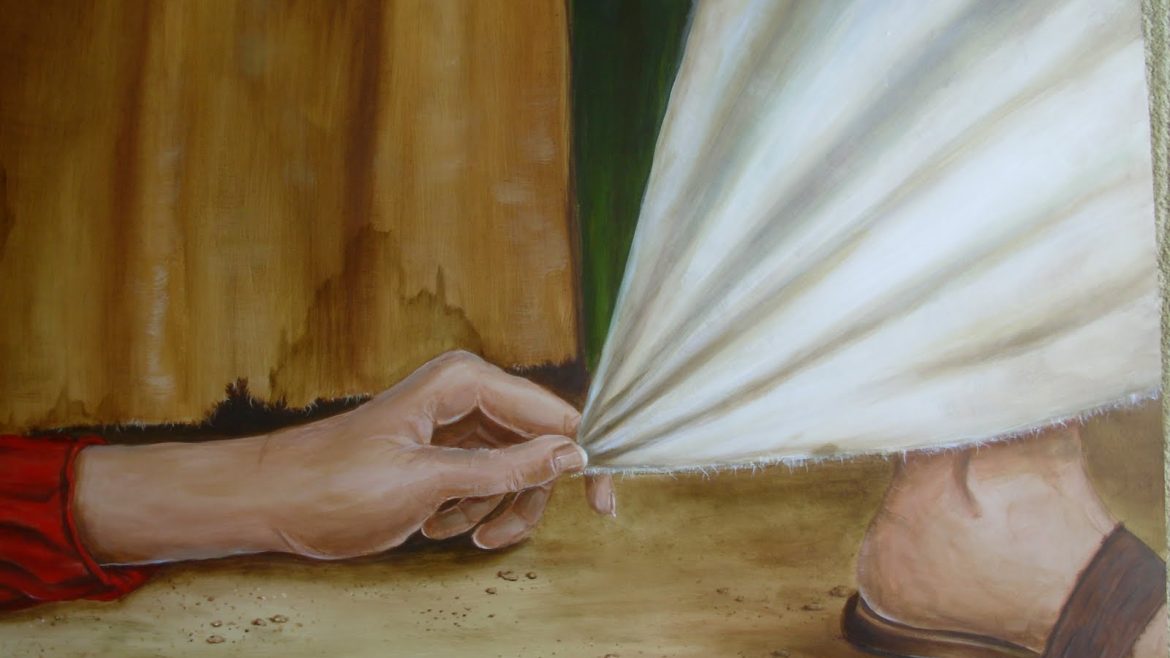
“It was not you who chose me,” Christ says, “but I who chose you”, reminding us of the essence of both His mission and our own. It was not we who summoned Christ, but God who chose to put on the cloak of humanity and go to the poor – to us – long before Blessed Frédéric and his friends made the same choice in the spring of 1833. Indeed, it was and is explicitly in imitation of Christ that we visit the poor.

Each time the Conference helpline rings, bringing with it a cry for help from a neighbor in need, it reminds us that the Christ whose suffering we are called to see in that neighbor is choosing us once again. We go to the neighbor for love alone, but each and every time it is not we who chose them, but they who chose us.

St. Vincent often reflected that none of the great works for which we remember him were his doing at all. The poor, sick family at Châtillon that famously inspired him to form the first Confraternity of Charity, he explained, was “clearly the work of God, for was it human beings who had made those poor people ill?” [CCD IX:193] As always, Vincent sought to discern God’s will in the people and events of his life, and if he found himself inspired by that poor farming family, it was only because God chose them to speak to his heart.

How grateful we should be that God not only called us to this vocation, but that time and time again, He chooses us to come to Him! This understanding of our own place in God’s loving plan should permeate all that we do, and all that we say. Our reports on our works are never offered for our own glory, but only to praise God, who chooses us as His humble instruments.

In his own report on the Society’s works in its first year, Frédéric asked that we “together have the firm determination never to quit the post where God has brought us together. Let us continue the work of charity without fanfare, for charity is all the more beautiful as it remains reclusive.” [1457, to the Society, 1834]

God calls us to do good not for our own reputation, but for His love alone. When we call others to serve with us, we seek to share His love. When we ask others to donate to the Society, it is not for our sake but for the poor we serve. When we seek to act as a voice for the voiceless, it is not because of our special skills, but only our special knowledge of the friends, the neighbors, the God who has called us to this vocation.

We are not a secret society, but we are called to be a humble Society, always remembering that our works are for God’s glory, God’s sake, and God’s love.

Contemplate

Am I grateful for God’s call each time He invites me to serve Him?

Recommended Reading

Letters of Frédéric Ozanam – Earliest Letters

Contemplación: 

Traducción de Sandra Joya

“”No me eligieron ustedes. dice Cristo, sino yo quién  los elegí,”” recordándonos la esencia tanto de su misión  como de la nuestra. No fuimos nosotros quienes llamamos a Cristo, sino Dios quién  eligió  revestirse de humanidad e ir a los pobres-a nosotros-mucho antes de que el beato Federico y sus amigos hicieran  lo mismo en la primavera de 1833. De hecho, fue y es explícitamente en imitación  de Cristo que visitamos a los pobres.

Casa vez que suena el teléfono  de la Conferencia, trayendo consigo el grito de auxilio de un prójimo necesitado,nos recuerda que Cristo,cuyo sufrimiento estamos llamados a ver en ese prójimo,  nos elige una vez más.  Acudimos al prójimo  sólo  por amor, pero cada vez no somos nosotros quienes lo elegimos sino él  quien nos eligió  a nosotros.

San Vicente reflexionaba a menudo que ninguna de las grandes obras por las que recordamos fue obra suya. La familia pobre y enferma de Chatillon que lo inspiró  a fundar la primera Cofradía de la Caridad, explicó , era ” claramente obra de Dios, pues ¿ acaso fueron seres humanos los que  enfermaron a esa pobre gente? (CCD IX: 193) Como siempre Vicente buscó discernir la voluntad de Dios en las personas y los acontecimientos de su vida, y sí  se sintió  inspirado por esa pobre familia campesina, fue solo porque Dios los eligió  para hablarle al corazón.

Cuán  agradecidos debemos estar de que Dios no solo nos haya llamado a esta vocación,  sino que una y otra vez nos elija para acercarnos a El. Esta comprensión  de nuestro propio lugar en el plan amoroso de Dios debe impregnar todo lo que hacemos y decimos. Nuestros informes sobre nuestras obras nunca se ofrecen para nuestra propia gloria. Sino sólo  para alabar a Dios, quién  nos elige como sus humildes instrumentos.

En su propio informe sobre las obras de la Sociedad durante su primer año, Federico nos pidió  que “juntos tengamos la firme determinación de nunca abandonar  el puesto donde Dios nos ha reunido. Continuemos la obra de caridad sin fanfarrias,  pues la caridad es tanto más  hermosa cuanto más  solitaria es” (1457, a la Sociedad, 1834)

Dios nos llama a hacer el bien no por nuestra propia reputación,  sino únicamente  por su amor. Cuando llamamos a otros a servir con nosotros,buscamos compartir su amor. Cuando pedimos donaciones a la Sociedad, no es por nuestro bien, sino por los pobres a quienes servimos. Cuando buscamos ser la voz de los que no tienen voz, no es por nuestras habilidades especiales, sino unicamente por nuestro conocimiento especial de los amigos, los vecinos, el Dios que nos ha llamado a ésta  vocación.

No somos una Sociedad secreta, sino que estamos llamados a ser una Sociedad humilde, recordando siempre que nuestras obras son para la gloria de Dios por amor a Dios y por amor a Dios.

Contemplar

¿Agradezco el llamado de Dios cada vez que me invita a servirle?

Contemplation: The Sorrows We Cannot Avoid

Contemplation: The Sorrows We Cannot Avoid 720 720 Tim Williams

By Timothy Williams, Senior Director of Formation and Leadership Development 

Our Catechism teaches that “faith is often lived in darkness and can be put to the test. The world we live in often seems very far from the one promised us by faith. Our experiences of evil and suffering, injustice and death, seem to contradict the Good News; they can shake our faith and become a temptation against it.” [CCC, 164] All of us have experienced suffering in our lives, and we know that it can challenge our faith. As Vincentians, we also are called to confront the suffering of the neighbor, for whom it is often incomprehensible. “How,” they must wonder, “can a loving God allow this?”

Our first duty of action on our home visits must be to do all that we can to alleviate the neighbor’s suffering: to alleviate anxiety by helping with bill payments, to alleviate hunger with food, and to alleviate illness with prescriptions – “No work of charity if foreign to the Society.” [Rule, Part I, 1.3] This is our first duty of action, but it is neither our motive nor our purpose for our actions.

For many, if not most of those we help, the crisis we help to avert will return again one day. Others have material needs greater than we can meet with the resources that we have. These are not failures of service, but reminders that the Society, like the Church, needing “human resources to carry out its mission, is not set up to seek earthly glory, but to proclaim, even by its own example, humility and self-sacrifice.” And again, like the Church, the Society “encompasses with love all who are afflicted with human suffering and in the poor and afflicted sees the image of its poor and suffering Founder. It does all it can to relieve their need and in them it strives to serve Christ.” [LG, 8]

Our primary purpose, our growth in holiness, is not something we take from the poor, but something they freely give us by virtue of allowing us to serve Christ in their persons. In return, Frédéric said, “We should give our poor brothers something more than meager alms.” [1457, to the Assembly, 1834]

Suffering is inescapable on this exile earth. [CCC, 385] It is for this reason that God sent His son to share in our suffering, and that the Son, in turn, sends us to share in each other’s suffering. We must always try to relieve the neighbor’s material needs, but whether we can or not, we must always seek to be a light in the darkness of the despair to which suffering can lead; to show to them the loving face of Christ through our presence, our gentleness, our friendship, and our prayers.

Because hope is not found in a loaf of bread, it cannot be destroyed by a lack of bread. True hope is found in the light that shines through works of love, offering reassurance that even in our darkest hours, God does not abandon us. As Frédéric reminds us, “the condition for progress is suffering and… friendship sweetens the sorrows we cannot avoid.” [53, to Falconnet, 1833]

Contemplate

Do I allow the neighbor’s suffering to overwhelm the hope that I try to share?

Recommended Reading

500 More Little Prayers for Vincentians

Contemplación: Los Dolores Que No Podemos Evitar

Traducción de Sandra Joya

Nuestro catecismo enseña que “la fe se vive a menudo en la oscuridad y puede ser puesta a prueba. El mundo en que vivimos a menudo parece muy lejano del que la fe nos promete. Nuestras experiencias de maldad y sufrimiento  de injusticia y muerte, parecen contradecir contra ella” (CIC, 164). Todos hemos experimentado el sufrimiento, en nuestras vidas y sabemos que puede desafiar nuestra fe. Como Vicentinos, también  estamos llamados a confrontar el sufrimiento del prójimo, para quién  a menudo resulta incomprensible. “¿Cómo,” deben preguntarse, “puede un Dios amoroso permitir esto?”

Nuestro primer deber en nuestras visitas domiciliarias debe ser, hacer todo lo posible por aliviar el hambre con alimentos y aliviar la enfermedad con medicamentos. “Ninguna obra de caridad es ajena a la Sociedad” (Regla, Parte 1,1.3) Este es nuestro primer deber de acción, pero  no es, ni el motivo ni el propósito  de nuestras acciones.

Para muchos, si no la mayoría  de aquellos a quienes ayudamos, la crisis que ayudamos a evitar volverá  algún  día. Otros tienen necesidades materiales mayores de las que podemos satisfacer con los recursos disponibles. Éstas no son fallas en el servicio, sino recordatorio de que la Sociedad, al igual que la Iglesia, necesitaba de recursos humanos para llevar a cabo su misión, no está  constituida para buscar la gloria terrena, sino para proclamar, incluso con su propio ejemplo, la humildad y la abnegación, y, de nuevo. al igual que la Iglesia, la Sociedad abarca con amor a todos los que sufren  y en los pobres y afligidos ve la imagen de su Fundador, pobre y sufriente. Hace todo lo posible por aliviar sus necesidades y en ellos se esfuerza por servir a Cristo. (LG, 8)

Nuestro esfuerzo principal, nuestro crecimiento en santidad, no es algo que tomamos de los pobres, sino algo que ellos nos dan libremente al permitirnos servir a Cristo en sus personas. A cambio, Federico dijo:  ” Debemos dar a nuestros hermanos pobres algo más  que una limosna miserable”. (1457, a la Asambkea, 1834)

El sufrimiento es ineludible en esta tierra de exilio. (CIC, 385) Es por esta razón  que Dios envió  a su hijo a compartir nuestro sufrimiento, y que el Hijo, a su vez, nos envía  a compartir el sufrimiento de los demás. Siempre debemos procurar aliviar las necesidades materiales del prójimo,  pero, podamos o no, siempre debemos buscar ser una luz en la oscuridad de la desesperación, a la que puede conducir el sufrimiento; mostrarles el rostro amoroso de Cristo mediante nuestra presencia, nuestra dulzura, nuestra amistad y nuestras oraciones.

Porque la esperanza no se encuentra en un trozo de pan, no puede ser destruida por la falta de pan. La verdadera esperanza se encuentra en la luz que brilla a través  de las obras de amor, que nos da la seguridad de que, incluso en nuestros momentos más  oscuros, Dios no nos abandona. Como nos recuerda Federico, ” la condición  para el progreso es el sufrimiento y….la amistad endulza las penas que no podemos evitar (53, a Falconnet, 1833).

Contemplar

¿Dejo que el sufrimiento del prójimo  apague la esperanza que intento compartir?

The First Spiritual Advisor: A Role Model for the Rest of Us

The First Spiritual Advisor: A Role Model for the Rest of Us 1098 1116 Tim Williams

By Gail Rowe, National Vincentian Spirituality Committee

Spiritual Advisors really don’t need to give advice. Walking alongside other Vincentians as we traverse the rutted, uneven, sometimes jarring path to God, is what we do. We need some very particular virtues to assist our colleagues in our mission of service. Perhaps some insights from the very first Spiritual Advisor may benefit us.

As we know, Emmanuel Bailly was the first President of the Society. Mr. Bailly was also considered the first spiritual advisor, although the title had not yet been created.

Mr. Bailly was a newspaper owner who (1) allowed the new Society members to meet on his property. In addition to his (2) kind guidance, Mr. Bailly was a man before his time. Born Joseph-Emmanuel Bailly, his father-in-law asked him to take his bride’s maiden name so the family name would not be lost. With (3) deep respect and to (4) honor his father-in-law, he became Joseph-Emmanuel Bailly de Surcy.

Emmanuel exhibited virtues that are still relevant.

  1. He was generous …with material items as well as his time and talents
  2. He was a kind man. He gave his time to the founders. He listened. He guided.
  3. He respected all people, i.e. his in-laws, his friends, those he served
  4. He honored people. He demonstrated how to honor each other.

Emmanuel Bailly has also left us with a few reminders of how to be holy Vincentians relying on God. From his own words:

If visiting of the poor, well and regularly performed, we add, dear Brother, a true spirit of charity towards one another, then the future of our Society is assured, and God will heap His blessings upon it.”

Emmanuel Bailly’s words help us remember to be charitable not only to our friends in need, but to each other. Don’t you feel God’s blessings heaping and spilling on you?

Again from E. Bailly:

What gives strength and activity, what will bring everything into perfect harmony in our work is the sincere love of the poor of Jesus Christ and the brotherly union of all the members of the Society.”

Doesn’t this service for Jesus remind you that we all are so abundantly loved and cherished that it helps us to just get along? Remember, we are not alone. We have each other as sounding-boards, mentors and friends…AND…we have our ancestors to give us guidance. Peace to all of us.

A Model for Vincentian Reflection

A Model for Vincentian Reflection 150 150 Tim Williams

By Sr. Consuelo Tovar, DC, Associate Director of Vincentian Formation

There are many resources and tools available to use as you facilitate spiritual reflections in your Conference meeting, but the tool is not the reflection. How can I use the reading, video, or other resource to encourage the sharing that leads to our shared growth in holiness?

Below are two models for reflections based on A Model to Follow, a Vincentian Contemplation written by Timothy Williams, Senior Director of Vincentian Formation.

First Model Reflection:

Call to Prayer and Reflection:  (quieting down and becoming aware of God’s Presence)

 In the name of the Father…

When we were called to this vocation, we were already called to servant leadership, and we can all have confidence, when it is our turn to serve, that “God gives sufficient graces to those He calls to it.” [CCD IX:526]

Designated reader(s):

“Leader? Servant Leader? Who me?  Spiritual Advisor?  Holy and in charge!”

We think: “No Way! Not me!”

When we hear the word “leader” we naturally think of  the great American archetype: a charismatic, confident, inspiring leader.  In short, “a leader who is large and in charge.”

For most of us, this is an image that would be difficult to live up to. So, when the Council or Conference announces an upcoming election for a new president, or appointing a Spiritual Advisor, we remain quiet and look the other way.  And even if invited directly to serve, we pull back.  “Large and in charge,” we think, “That just isn’t me.”

Perhaps instead we should first consider that it is not merely our fellow Vincentians suggesting that we consider serving as leaders. After all, we are taught to discern God’s will for us in the people and events in our lives.  It was God who called us here, and God who calls us now. If God asks us, through others, to consider leading the Conference, or to serve as Spiritual Advisor, we ought to take the time to seriously discern that call.

In discerning, Vincentians consider also the nature of  leadership – servant leadership. Our model is not the commander, the ruler, or the boss. Our model is the master and teacher who knelt down and washed the feet of His disciples.I have given you,” He said, “A model to follow.” Our model of a leader, then, is not the greatest, but the least, not the master but the servant. In short, a Vincentian servant leader is not “large and in charge,” but small, and for all.

Spiritual Advisor introduces the Reflection Questions with (2-3 mins.) time for quiet reflection; and invites Members to share with one other Vincentian their reflection:

  • What people or events led me to join the Society in the first place? Who invited us in?
  • Have I truly listened to and answered God’s call to lead?

Closing Prayer:  Prayer of Gratitude for God’s call to Servant Leadership

Recommended Readings and resources on Servant Leadership

  • Vincentian Discernment by Hugh O’Donnell, CM
  • Vincentian Formation Foundation Document (Sections 6 and 7 of Spiritual Advisor Handbook)
  • Section II Objectives & Roles of Leadership & Service for Vincentian Service pgs.13
  • Part VII Formation Guidelines (page 16 Conference Spiritual Advisor)

Second Model Reflection (drawn from the same Contemplation):

 What are we looking for in a Servant Leader??

 Theme:  My style of leadership

Title:  I can lead, but not sure if I know or have the gifts to be “servant leader”.

 You say that you simply haven’t the knowledge or the gifts to lead? “Don’t think,” St. Vincent de Paul once explained, that responsible positions are always given to the most capable or virtuous.” [CCD IX: 526] Servant leadership is part of our calling, part of our vocation, and it is precisely the humility that makes us reluctant to take on a leadership role that makes us better suited to do so. Trust in providence, in this case, means trusting that “when God calls us to it … either He sees in us the proper dispositions or has determined to give them to us.” [CCD XI:128]

Our Cultural Beliefs remind us that “as Vincentians we are committed to… develop ourselves and others to become Servant Leaders.” [Rule, Part III, St. 2]

Reflection Question:

What “Vincentian Characteristics of a Servant Leader” do my  Vincentian Friends see in me?

Additional References in the Vincentian Pathway Toolbox:

Characteristics of a Servant Leader  and we work up additional Vincentian Reflections that Spiritual Advisors can use at regular meetings.


El Pozo: Una Refrescante Fuente Vicentina

El Pozo: Una Refrescante Fuente Vicentina 1048 584 Tim Williams

El Pozo: Una Refrescante Fuente Vicentina

Por Rita St. Pierre, Presidenta del Comité Nacional de Espiritualidad Vicentina

¿Con qué frecuencia nos sentimos sedientos mientras vivimos nuestra vocación Vicentina? ¿Es difícil renovar nuestro fervor? ¿Experimentamos fatiga con demasiada frecuencia al servir a los hijos de Dios? En este pequeño boletín trimestral, esperamos ofrecerle una frescura espiritual y proporcionarle algunos recursos y herramientas. Con suerte, en cada número encontraremos algo que satisfaga nuestra sed y nos fortalezca en nuestra fatiga mientras vivimos nuestra misión. Como leemos en Isaías 58:11 “Entonces el Señor te confortará en cada momento en los lugares desérticos te saciará. El rejuvenecerá tus huesos y serás como un j huerto regado, como un manantial de agua inagotable”. Tengámoslo todos presentes: con el Espíritu Santo, las aguas de nuestros esfuerzos Vicentinos nunca fallarán.

¿Qué tienen en común la Formación y el fútbol?

Por Marge McGinley, Presidenta del Comité Nacional de Formación Vicentina

Hace unas semanas, subí a mi automóvil y el radio estaba en la estación de los deportes. Eso pasa a veces cuando mi esposo usa mi automóvil. Para mi sorpresa, hablaban de “formación”. Inmediatamente, mis oídos se sintonizaron y en lugar de cambiar de estación, lo que sería mi respuesta habitual, empecé a escuchar. El comentarista hablaba de la importancia de que los futbolistas entiendan las distintas formaciones; Hicieron referencia al “libro de jugadas”, explicando que cuando los jugadores dedican tiempo al estudio, desarrollan un coeficiente intelectual para el deporte.

Bueno, inmediatamente me llamó la atención ver a estas personas hablando literalmente el idioma Vicentino. Nuestro querido San Vicente de Paúl hablaba de la importancia de la formación. “Tenemos que estudiar de tal manera que el amor corresponda al conocimiento”. [CCD XI:116] Nuestros corazones Vicentinos son un don del Espíritu Santo en nuestras vidas, pero debemos estudiar, debemos ser “formados”, para que nos entusiasmemos y permanezcamos entusiasmados en nuestro servicio, celebremos nuestro trabajo en equipo y amistad, que nos mantengamos enfocados en nuestro propósito principal, crecer en santidad. Los invitamos a que tomen el tiempo de leer este boletín y los números subsiguientes. Esperamos que se tomen el tiempo de venir al “pozo” para encontrar recursos e ideas para desarrollar su propio libro de jugadas Vicentinas. Como Consejero Espiritual o Formador, su conocimiento y fervor por la vocación Vicentina le permite capacitar o guiar a otros para que su coeficiente intelectual Vicentino los lleve a “ver el rostro de Cristo en los pobres”.

El primer Consejero Espiritual: un modelo a seguir para el resto de nosotros

Por Gail Rowe, Comité de Espiritualidad Vicentina

Los Consejeros Espirituales realmente no necesitan dar consejos. Caminar junto a otros Vicentinos mientras atravesamos el camino lleno de baches, desigual y a veces discordante hacia Dios, es lo que hacemos. Necesitamos algunas virtudes muy particulares para ayudar a nuestros colegas en nuestra misión de servicio. Tal vez algunas percepciones del primer Consejero Espiritual puedan beneficiarnos.

Como sabemos, Emmanuel Bailly fue el primer Presidente de la Sociedad. El Sr. Bailly también fue considerado el primer Consejero Espiritual, aunque el título aún no había sido creado.

El Sr. Bailly era propietario de un periódico que (1) permitía que los nuevos miembros de la Sociedad se reunieran en su propiedad. (2) Además de su cordial guía, el Sr. Bailly fue un hombre adelantado a su tiempo. (3) Nacido como Joseph-Emmanuel Bailly, su suegro le pidió que tomara el apellido de soltera de su novia para que el apellido no se perdiera. Con profundo respeto y (4) para honrar a su suegro, se convirtió en Joseph-Emmanuel Bailly de Surcy.

Emmanuel exhibió virtudes que siguen siendo relevantes.

  1. Era generoso… con cosas materiales, así como su tiempo y talentos
  2. Era un hombre amable. Dio su tiempo a los fundadores. Escuchaba. Guiaba.
  3. Respetaba a todas las personas, es decir, a sus suegros, a sus amigos, a aquellos a quienes servía
  4. Honraba a la gente. Demostraba cómo honrarse unos a otros.

Emmanuel Bailly también nos ha dejado algunos recordatorios de cómo ser santos Vicentinos confiando en Dios. De sus propias palabras:

“Si la visita a los que viven en la pobreza se realiza bien y regularmente, añadimos, querido hermano, un verdadero espíritu de caridad los unos hacia los otros, entonces el futuro de nuestra Sociedad está asegurado, y Dios colmará de sus bendiciones sobre ella”.

Las palabras de Emmanuel Bailly nos ayudan a recordar que debemos ser caritativos no solo con nuestros prójimos en necesidad, sino también con los demás. ¿No siente usted las bendiciones de Dios acumulándose y derramándose sobre usted?

De nuevo de E. Bailly:

“Lo que da fuerza y actividad, lo que pondrá todo en perfecta armonía en nuestro trabajo, es el amor sincero a los pobres de Jesucristo y la unión fraternal de todos los miembros de la Sociedad”.

¿No le recuerda a usted, que este servicio a Jesús, que todos somos abundantemente amados y estimados, y que nos ayuda a llevarnos bien? Recuerde, no estamos solos. Nos tenemos los unos a los otros como cajas de resonancia, mentores y amigos… Y… Tenemos a nuestros antepasados para que nos guíen. Paz a todos.

Un Modelo de Reflexión Vicentina

Por Sor Consuelo Tovar, DC Directora Asociada de Formación Vicentina

Hay muchos recursos y herramientas disponibles que puede utilizar como medida de apoyo en las Reflexiones Espirituales en las reuniones de la Conferencia, pero la herramienta no es la reflexión. ¿Cómo puedo utilizar la lectura, el video u otro recurso para fomentar el compartir y que nos conduzca a nuestro crecimiento en Santidad?

A continuación, se presentan dos modelos de reflexión basados en la CONTEMPLACIÓN VICENTINA: UN MODELO A SEGUIR por Timothy Williams, Director Principal de Formación Vicentina.

Llamado a la oración y a la reflexión

En el nombre del Padre…

Cuando fuimos llamados a esta vocación, ya estábamos llamados al liderazgo de servicio, todos podemos tener esa confianza, para cuando sea nuestro turno de servir, “Dios da suficientes gracias a aquellos a quienes Él llama”. [CCD IX:526]

Lector(es) designado(s):

  • “¿Líder? ¿Líder de servicio? ¿Quién, yo? “¿Consejero Espiritual? ¡Santo y al mando!”
  • Nosotros Pensamos: “¡De ninguna manera! ¡Yo no!”

Cuando escuchamos la palabra “líder” naturalmente pensamos en el gran ejemplo estadounidense: un líder carismático, seguro de sí mismo e inspirador. En resumen, un líder que sea “grande y esté al mando”.

Para la mayoría de nosotros, es muy difícil estar a la altura de esta imagen. Por lo tanto, cuando el Consejo o la Conferencia anuncia una próxima elección para un nuevo Presidente, o el nombramiento de un Consejero Espiritual, nos quedamos callados y miramos hacia otro lado. E incluso si nos invitan directamente a servir, nos retiramos. “Grande y al mando”, pensamos, “ese no soy yo”.

Tal vez, en cambio, deberíamos considerar primero que no son simplemente nuestros hermanos Vicentinos los que nos sugieren que consideremos servir como líderes. Después de todo, se nos enseña a discernir la voluntad de Dios para nosotros, en las personas y los eventos de nuestras vidas. Fue Dios quien nos llamó aquí, y Dios quien nos llama ahora. Si Dios nos pide, a través de otros, que consideremos liderar la Conferencia, o que sirvamos como Consejeros Espirituales, debemos tomarnos el tiempo para discernir seriamente ese llamado.

Al discernir, los Vicentinos consideran también la naturaleza del liderazgo: el Liderazgo de Servicio. Nuestro modelo no es el de comandante, el gobernante o el jefe. Nuestro modelo es el maestro y educador que se arrodilló y lavó los pies de sus discípulos. “Les he dado”, dijo, “un modelo a seguir”. Nuestro modelo de líder, entonces, no es el más grande, sino el más pequeño, no el amo sino el siervo. En resumen, un Líder de Servicio Vicentino no es “grande y está a cargo”, sino pequeño y para todos.

El Consejero Espiritual presenta las Preguntas de Reflexión con (2-3 minutos) de tiempo para la reflexión silenciosa; e invita a los Miembros a compartir con otros Vicentinos su reflexión:

¿Qué personas o acontecimientos me llevaron a unirme a la Sociedad en primer lugar? ¿Quién nos invitó a entrar?

¿Realmente he escuchado y he respondido al llamado de Dios a liderar?

Oración Final: Oración de Gratitud por el llamado de Dios al Liderazgo de Servicio

Segunda Reflexión

Puedo liderar, pero no estoy seguro de si tengo los dones para ser un líder de servicio.

¿Dice usted que simplemente no tienes el conocimiento o los dones para liderar? “No pienses”, explicó una vez San Vicente de Paúl, “que los puestos de responsabilidad siempre se dan a los más capaces o virtuosos”. [CCD IX: 526] El liderazgo de servicio es parte de nuestra vocación, y es precisamente la humildad que nos hace reacios a asumir un papel de liderazgo que nos hace más aptos para hacerlo. Confiar en la Providencia, en este caso, significa confiar en que “cuando Dios nos llama a sí mismo (…) o bien ve en nosotros las disposiciones apropiadas o ha determinado dárnoslas”. [CCD XI:128]

Nuestras Creencias Culturales nos recuerdan que “como Vicentinos estamos comprometidos a… desarrollarnos a nosotros mismos y a los demás para convertirnos en Líderes de Servicio”. [Regla, Parte III, St. 2]

Pregunta de reflexión:

¿Qué “Características Vicentinas de un Líder de Servicio” ven en mí mis Amigos Vicentinos?

Recuerde: Nuestras Creencias Culturales nos recuerdan que “como Vicentinos estamos comprometidos a… desarrollarnos a nosotros mismos y a los demás para convertirnos en Líderes de Servicio”. [Regla, Parte III, St. 2]

Videos, libros y sitios web, ¡Dios mío!

Recursos de Formación y Espiritualidad

Almacén de materiales

Nuestra librería en línea, conocida como la Tienda de Materiales, tiene libros y otros recursos organizados por categoría, que incluyen Espiritualidad, Formación, Patrimonio y Oración/Devocional, todos los cuales le ayudarán como Formador o Consejero Espiritual. La Historia incluye libros que puede leer y recomendar a los miembros, con el fin de profundizar su conocimiento de nuestros Santos, Beatos y fundadores. Los libros de Espiritualidad se centran en los senderos espirituales y las enseñanzas de nuestros santos y fundadores. La formación incluye una serie de libros especialmente diseñados para su uso en retiros y reflexiones, como la serie de Sirviendo en Esperanza. Finalmente, en Oración/Devocional, encontrará versiones impresas de las oraciones Vicentinas para las reuniones y la oración personal. ¡Tómese el tiempo de explorar todos los títulos!

Consejo profesional: en la parte inferior de la página, en cada una de estas secciones, busca algunos números de página diminutos. Cada sección tiene más de una página de libros, ¡no te pierdas ninguno de ellos!

Tarjetas de oración

¿Sabía usted que tenemos tarjetas de oración especiales para Frédéric, Rosalie, Vincent y Louise? Cada uno contiene oraciones que se componen de palabras escritas por esa persona. Son maravillosos para compartir en las reuniones, e incluso para compartir con los prójimos.

Quinto Foro de los Miércoles

Para Formadores y Consejeros Espirituales (y otros)

30 de abril, 7:00 p.m., hora del este

Sumérgete en la espiritualidad Vicentina

Ya sea que sea un Formador o Consejero Espiritual nuevo o experimentado, o esté tratando de discernir si está llamado a este servicio, esperamos que se una a nosotros para una sesión de Zoom muy interactiva. Después de una breve presentación, esta será una oportunidad para hacer preguntas y tener conversaciones con los miembros del Comité Nacional y entre todos. Nuestra primera sesión, que le dará un recorrido por los recursos disponibles (dónde encontrarlos y cómo usarlos) es el 30 de abril.

¡Regístrese ahora para asistir a una o todas las próximas sesiones!

Sign Up for Our Newsletter

Privacy Preferences

When you visit our website, it may store information through your browser from specific services, usually in the form of cookies. Here you can change your Privacy preferences. It is worth noting that blocking some types of cookies may impact your experience on our website and the services we are able to offer.

Click to enable/disable Google Analytics tracking code.
Click to enable/disable Google Fonts.
Click to enable/disable Google Maps.
Click to enable/disable video embeds.
Our website uses cookies, mainly from 3rd party services. Define your Privacy Preferences and/or agree to our use of cookies.
Skip to content