• Search the Site

Posts By :

Tim Williams

Contemplation: The Medium is the Message

Contemplation: The Medium is the Message 1078 781 Tim Williams

By Timothy Williams, Senior Director of Formation and Leadership Development 

In a 1964 book, Marshall McLuhan concluded that “the medium is the message.” To fully understand a message, in other words, you need to understand the means by which it was delivered. This is perhaps why, from the time of creation, God has chosen so many different media to speak to us. He did so through the prophets, He did so from the mountaintops, He did so through storms and destruction, and He even did so in a tiny whisper. But still, it seemed, we did not understand. How frustrated must He have been with His children?

And so, He chose a new way to teach us. Rather than summon us to the mountain again, He came to us. He put on the cloak of humanity and made Himself one of us. He, the Lord Almighty, came to His lowly creatures, and He came not as a king or ruler, but as a humble, common man. As Bl. Frédéric once put it, the one who “regenerated the hidden world is a divine person who was hidden for thirty years in the workshop of a carpenter.” [24th Lecture at Lyon]

If not to the Father, to whom might we better listen than to one just like us, one who shares our suffering, one who comes not to be served, but to serve? One who loves us beyond all reason?

Frédéric’s Saint-Simonian classmates in the Conference of History strongly believed that their way of scientific progress, of planning the lives of others, could lead to the perfectibility of material lives. In challenging Frédéric to show the good of the church, it was their very confidence that they could be more than carpenters; that they could be architects that revealed to Frédéric the answer to their challenge: “We must do what is most agreeable to God…Let us go to the poor.” [Baunard, 65]

And so, then as now, we go to our neighbors, not as social workers or teachers, not as architects, but as carpenters, not as strangers, but as friends. We go to them in their homes, on the streets, in hospitals, in prisons, or in nursing homes. “In this way,” the Society’s Council General explains, “the contrast is obvious between the Society’s openhanded offer to help, in a spirit of love and friendship, and a State activity which demands that the poor come for help to a certain location.” [Commentaries, p.87]

On its surface, our message to the poor may appear to be assistance with rent or utilities, help with a job application or car repair, or “any form of help that alleviates suffering or deprivation and promotes human dignity and personal integrity in all their dimensions” because “no work of charity is foreign to the Society.” [Rule, Part I, 1.3]

But our true message, delivered by one who comes not to be served, but to serve, is best understood by understanding the medium, and like the Incarnate Word, our medium is love.

Contemplate

How can I best make my message to the neighbor a message of love?

Recommended Reading

Mystic of Charity

Contemplación: El Medio es el Mensaje

Traducción de Sandra Joya

En el libro de 1964, Marshall McLuhan concluyó que ” el medio es el mensaje”. Para comprender plenamente un mensaje, es necesario comprender el medio por el cual se transmitió. Quizás  por eso, desde la creación , Dios ha elegido tantos medios diferentes para hablarnos.  Lo hizo a través  de los profetas, lo hizo desde las cimas de las montañas, lo hizo a través  de tormentas y destrucción, e incluso lo hizo en un susurro. Pero aún  así,  parecía  que no entendíamos. ¿Cuán  frustrado debió  de estar con sus hijos?

Y así, eligio una nueva forma de enseñarnos. En lugar de llamarnos de nuevo a la montaña, vino a nosotros. Se vistió de humanidad y se hizo uno de nosotros. El Señor Todopoderoso, vino a sus humildes criaturas, y no vino como un rey o gobernante, sino como un hombre humilde y común . Como dijo el Beato Federico lo expresó  una vez: quién ” regeneró el mundo oculto es una persona divina que estuvo oculta durante treinta años en el taller de un carpintero”. (24a. Conferencia en Lyon)

Si no es al Padre, ¿a quién mejor escuchar que a alguien como nosotros, alguien que comparte nuestro sufrimiento, alguien que viene no para ser servido, sino para servir? ¿Alguien que nos ama más  allá  de toda razón?

Los compañeros sansimonianos de Federico en la Conferencia de Historia creían  firmemente que su forma de progreso cientifico, de planificar la vida de los demás, podía  llevar a la perfectibilidad de la vida material. Al desafiar a Federico a mostrar el bien de la Iglesia, fue su misma confianza en que podían  ser más  que carpinteros; en que podían  ser arquitectos, lo que le reveló  la respuesta a su desafío: ” Debemos hacer lo que más  agrada a Dios….Vayamos a los pobres”. (Baunard, 65)

Así,  entonces como ahora, nos acercamos a nuestros vecinos, no como trabajadores sociales o maestros.ni como arquitectos, sino como carpinteros, no como desconocidos, sino como amigos. Los visitamos en sus hogares, en la calle, en hospitales, en prisiones o en residencias de ancianos. De este modo, explica el Consejo General de la Sociedad, “el contraste entre el ofrecimiento de la Sociedad de ayudar tendiendo la mano, en un espíritu de amor y amistad, y la actividad estatal que exige que los pobres vayan a ciertos lugares en busca de ayuda.” (Comentarios, p. 86)

A primera vista, nuestro mensaje a los pobres puede parecer asistencia con el alquiler o los servicios públicos , ayuda con una solicitud de empleo o la reparación  de un coche, o “cualquier forma de ayuda que alivie el sufrimiento o la privación, y promueva la dignidad humana y la integridad personal en todas sus dimensiones“, porque “ninguna obra de caridad es ajena a la Sociedad“. (Regla, Parte 1, 1. 3)

Pero nuestro verdadero mensaje, transmitido por alguien que no viene a ser servido, sino a servir, se comprende mejor al comprender al médium, y al igual que el Verbo Encarnado, nuestro médium  es el amor.

Contemplar

¿Cómo  puedo lograr que mi mensaje al prójimo  sea un mensaje de amor?

Contemplation: Lord, Let Our Eyes Be Opened

Contemplation: Lord, Let Our Eyes Be Opened 720 404 Tim Williams

By Timothy Williams, Senior Director of Formation and Leadership Development 

A man who won an enormous amount of money just a few years back, quit his job, and spent it extravagantly. Now he lives in a rented house, is unemployed, behind on his rent, and faces eviction. He was a millionaire last year and now he begs for help – how can this be?

Why do you notice the splinter in your brother’s eye, but do not perceive the wooden beam in your own eye?

Single mom with two teens, unemployed, panicked, and sobbing. The sheriff is coming tomorrow; it’s too late to pay the rent. She has no idea what to do. At this point, is there even a way that we can help?

How many loaves do you have?

A man who seems constantly underemployed. No matter what he does, it seems, he can’t catch up. If he doesn’t get laid off, he faces a family crisis or a health crisis. It’s always something new, but we have been helping with the rent for years.

How long will I be with you? How long will I endure you?

An older woman, with retirement income sufficient to pay rent, who chooses instead to live in her car, homeless. She is not interested in moving into a home but calls for help with other things from time to time.

What do you want me to do for you?

An older man who moved from homelessness to assisted living only because a health issue landed him in a hospital. If he would only sign the papers, his Social Security and Medicare would pay for him to stay there permanently. Instead, he wants to remain independent, living in a place he can’t afford, knowing he will likely be homeless again in a few months.

What are you thinking in your hearts?

She sits on a bench most of the time, except when she lies on the ground to sleep. Many people have offered help, and sometimes she will accept blankets, clothing, or food. She has a pension and could get into housing, but she gets angry when people offer to help with that. How can I help those who do not want my help?

Do you love me?

Contemplate

What does it mean to truly, as Bl Frédéric implores us, “do as our Lord Jesus Christ did”?

Recommended Reading

The Spirituality of the Home Visit

Contemplacion: Señor Abre Nuestros Ojos

Traducción de Sandra Joya

Un hombre ganó una enorme cantidad de dinero hace sólo  unos años, renunció  a su trabajo y lo gastó  desmedidamente. Ahora vive en una casa alquilada, está desempleado, atrasado en el pago del alquiler y se entrega al desahucio. Era millonario el año pasado y ahora pide ayuda. ¿Cómo  es posible?

¿Por qué  te fijas en la paja que está  en el ojo de tú  hermano, pero no ves la viga que está  en el tuyo?

Una madre soltera con dos hijos adolescentes, desempleada, presa del pánico  y sollozando. El Sheriff viene mañana; es demasiado tarde para pagar el alquiler. No tiene ni idea de qué  hacer. A estas alturas. ¿hay alguna manera de ayudar?

¿Cuántos  panes tienes?

Un hombre que parece estar constantemente subempleado. Haga lo que haga,parece que no puede ponerse al día.  Si no lo despiden, se enfrenta a una crisis familiar o de salud. Siempre hay algo nuevo, pero llevamos años ayudando con el alquiler.

¿Cuánto  tiempo estaré contigo? ¿Cuánto  tiempo te soportare?

Una mujer mayor, con ingresos de jubilación suficientes para pagar el alquiler, que prefiere vivir en su coche, sin hogar. No le interesa mudarse a una residencia, pero de vez en cuando pide ayuda con otras cosas.

¿Qué  quieres que haga por ti?

Un hombre mayor que pasó  de la indigencia a una residencia asistida sólo  porque un problema de salud lo llevó  al hospital. Si tan sólo  firmara los papeles, su Seguro Social y Medicare pagarían  su estancia alli permanentemente. En cambio, quiere seguir siendo independiente, viviendo en un lugar que no puede pagar, sabiendo que problamente volverá  a estar sin hogar en unos meses.

¿Qué  piensan?

Se sienta en un banco la mayor parte del tiempo, excepto cuando se tumba en el suelo a dormir. Mucha gente le ha ofrecido ayuda, y a veces acepta mantas, ropa o comida. Tiene una pensión  y podría  conseguir una vivienda, pero se enoja cuando le ofrecen ayuda. ¿ Cómo  puedo ayudar a quienes no quieren mi ayuda?

¿Me amas?

Contemplar

¿Qué  significa realmente, como nos implora el Beato Federico, hacer como hizo Nuestro Señor Jesucristo?

Lectura recomendada

La Espiritualidad de la Visita Domiciliara

The First Spiritual Advisor: A Role Model for the Rest of Us

The First Spiritual Advisor: A Role Model for the Rest of Us 1098 1116 Tim Williams

By Gail Rowe, National Vincentian Spirituality Committee

Spiritual Advisors really don’t need to give advice. Walking alongside other Vincentians as we traverse the rutted, uneven, sometimes jarring path to God, is what we do. We need some very particular virtues to assist our colleagues in our mission of service. Perhaps some insights from the very first Spiritual Advisor may benefit us.

As we know, Emmanuel Bailly was the first President of the Society. Mr. Bailly was also considered the first spiritual advisor, although the title had not yet been created.

Mr. Bailly was a newspaper owner who (1) allowed the new Society members to meet on his property. In addition to his (2) kind guidance, Mr. Bailly was a man before his time. Born Joseph-Emmanuel Bailly, his father-in-law asked him to take his bride’s maiden name so the family name would not be lost. With (3) deep respect and to (4) honor his father-in-law, he became Joseph-Emmanuel Bailly de Surcy.

Emmanuel exhibited virtues that are still relevant.

  1. He was generous …with material items as well as his time and talents
  2. He was a kind man. He gave his time to the founders. He listened. He guided.
  3. He respected all people, i.e. his in-laws, his friends, those he served
  4. He honored people. He demonstrated how to honor each other.

Emmanuel Bailly has also left us with a few reminders of how to be holy Vincentians relying on God. From his own words:

If visiting of the poor, well and regularly performed, we add, dear Brother, a true spirit of charity towards one another, then the future of our Society is assured, and God will heap His blessings upon it.”

Emmanuel Bailly’s words help us remember to be charitable not only to our friends in need, but to each other. Don’t you feel God’s blessings heaping and spilling on you?

Again from E. Bailly:

What gives strength and activity, what will bring everything into perfect harmony in our work is the sincere love of the poor of Jesus Christ and the brotherly union of all the members of the Society.”

Doesn’t this service for Jesus remind you that we all are so abundantly loved and cherished that it helps us to just get along? Remember, we are not alone. We have each other as sounding-boards, mentors and friends…AND…we have our ancestors to give us guidance. Peace to all of us.

What Do Formation and Football Have in Common?

What Do Formation and Football Have in Common? 1567 1037 Tim Williams

By Marge McGinley, National Vincentian Formation Chair

A few weeks ago, I hopped in my car and was greeted by sports radio. That sometimes happens when my husband uses my car. Much to my surprise they were talking about “formation.” Immediately, my ears tuned in rather than switching stations which would often be my response. The commentator was talking about the importance of the football players understanding various formations; they referenced the “playbook”, explaining that if the players dedicate time to study, they will develop an IQ for the sport.

Well, I was immediately struck by these people literally speaking the Vincentian language. Our dear St. Vincent de Paul spoke of the importance of formation. “We have to study in such a way that love corresponds to knowledge.” [CCD XI:116] Our Vincentian hearts are a gift of the Holy Spirit in our lives but we must study, we must be “formed,” so that we become and remain enthused in our service, celebrate our teamwork in friendship, and stay focused on our primary purpose, growing in holiness. We invite you to take the time to read this newsletter and subsequent issues. We are hoping that you will make the time to come to the “well” to find resources and ideas to develop your own Vincentian playbook. As a Spiritual Advisor or a Formator, your knowledge and zeal for the Vincentian vocation allows you to coach or mentor others so that their Vincentian IQ leads them to “see the face of Christ in the poor.”

A Model for Vincentian Reflection

A Model for Vincentian Reflection 150 150 Tim Williams

By Sr. Consuelo Tovar, DC, Associate Director of Vincentian Formation

There are many resources and tools available to use as you facilitate spiritual reflections in your Conference meeting, but the tool is not the reflection. How can I use the reading, video, or other resource to encourage the sharing that leads to our shared growth in holiness?

Below are two models for reflections based on A Model to Follow, a Vincentian Contemplation written by Timothy Williams, Senior Director of Vincentian Formation.

First Model Reflection:

Call to Prayer and Reflection:  (quieting down and becoming aware of God’s Presence)

 In the name of the Father…

When we were called to this vocation, we were already called to servant leadership, and we can all have confidence, when it is our turn to serve, that “God gives sufficient graces to those He calls to it.” [CCD IX:526]

Designated reader(s):

“Leader? Servant Leader? Who me?  Spiritual Advisor?  Holy and in charge!”

We think: “No Way! Not me!”

When we hear the word “leader” we naturally think of  the great American archetype: a charismatic, confident, inspiring leader.  In short, “a leader who is large and in charge.”

For most of us, this is an image that would be difficult to live up to. So, when the Council or Conference announces an upcoming election for a new president, or appointing a Spiritual Advisor, we remain quiet and look the other way.  And even if invited directly to serve, we pull back.  “Large and in charge,” we think, “That just isn’t me.”

Perhaps instead we should first consider that it is not merely our fellow Vincentians suggesting that we consider serving as leaders. After all, we are taught to discern God’s will for us in the people and events in our lives.  It was God who called us here, and God who calls us now. If God asks us, through others, to consider leading the Conference, or to serve as Spiritual Advisor, we ought to take the time to seriously discern that call.

In discerning, Vincentians consider also the nature of  leadership – servant leadership. Our model is not the commander, the ruler, or the boss. Our model is the master and teacher who knelt down and washed the feet of His disciples.I have given you,” He said, “A model to follow.” Our model of a leader, then, is not the greatest, but the least, not the master but the servant. In short, a Vincentian servant leader is not “large and in charge,” but small, and for all.

Spiritual Advisor introduces the Reflection Questions with (2-3 mins.) time for quiet reflection; and invites Members to share with one other Vincentian their reflection:

  • What people or events led me to join the Society in the first place? Who invited us in?
  • Have I truly listened to and answered God’s call to lead?

Closing Prayer:  Prayer of Gratitude for God’s call to Servant Leadership

Recommended Readings and resources on Servant Leadership

  • Vincentian Discernment by Hugh O’Donnell, CM
  • Vincentian Formation Foundation Document (Sections 6 and 7 of Spiritual Advisor Handbook)
  • Section II Objectives & Roles of Leadership & Service for Vincentian Service pgs.13
  • Part VII Formation Guidelines (page 16 Conference Spiritual Advisor)

Second Model Reflection (drawn from the same Contemplation):

 What are we looking for in a Servant Leader??

 Theme:  My style of leadership

Title:  I can lead, but not sure if I know or have the gifts to be “servant leader”.

 You say that you simply haven’t the knowledge or the gifts to lead? “Don’t think,” St. Vincent de Paul once explained, that responsible positions are always given to the most capable or virtuous.” [CCD IX: 526] Servant leadership is part of our calling, part of our vocation, and it is precisely the humility that makes us reluctant to take on a leadership role that makes us better suited to do so. Trust in providence, in this case, means trusting that “when God calls us to it … either He sees in us the proper dispositions or has determined to give them to us.” [CCD XI:128]

Our Cultural Beliefs remind us that “as Vincentians we are committed to… develop ourselves and others to become Servant Leaders.” [Rule, Part III, St. 2]

Reflection Question:

What “Vincentian Characteristics of a Servant Leader” do my  Vincentian Friends see in me?

Additional References in the Vincentian Pathway Toolbox:

Characteristics of a Servant Leader  and we work up additional Vincentian Reflections that Spiritual Advisors can use at regular meetings.


Videos, Books, and Websites, Oh My! Formation and Spirituality Resources

Videos, Books, and Websites, Oh My! Formation and Spirituality Resources 1572 1063 Tim Williams

Materials Store

Our online bookstore, known as the Materials Store, has books and other resources organized by category, including Spirituality, Formation, Heritage, and Prayer/Devotional, all of which will help you as a Formator or Spiritual Advisor. Heritage includes books that you can read, and recommend to members, in order to deepen your knowledge of our Saints, Blessed, and founders. The books in Spirituality focus on the spiritual journeys and teachings of our saints and founders. Formation includes a number of books specially designed for use in retreats and reflections, such as the Serving in Hope series. Finally, in Prayer/Devotional, you will find printed versions of Vincentian prayers for meetings and personal prayer. Take some time to explore all the titles!

Pro-Tip: at the bottom of the page in each of these sections, look for some teeny-tiny page numbers. They are not only small, but they are gray, and easy to overlook,

Each section of the store has more than one page of items listed – look for the page numbers, and don’t miss anything!

Prayer Cards

Did you know we have special prayer cards for Frédéric, Rosalie, Vincent and Louise? The prayers on Vincent and Louise’s cards were written by the saints themselves. The prayers on Frederic and Rosalie’s cards are composed using words they wrote in letters or other writings. These are wonderful to pray together in meetings, give to potential members, and share with our neighbors.


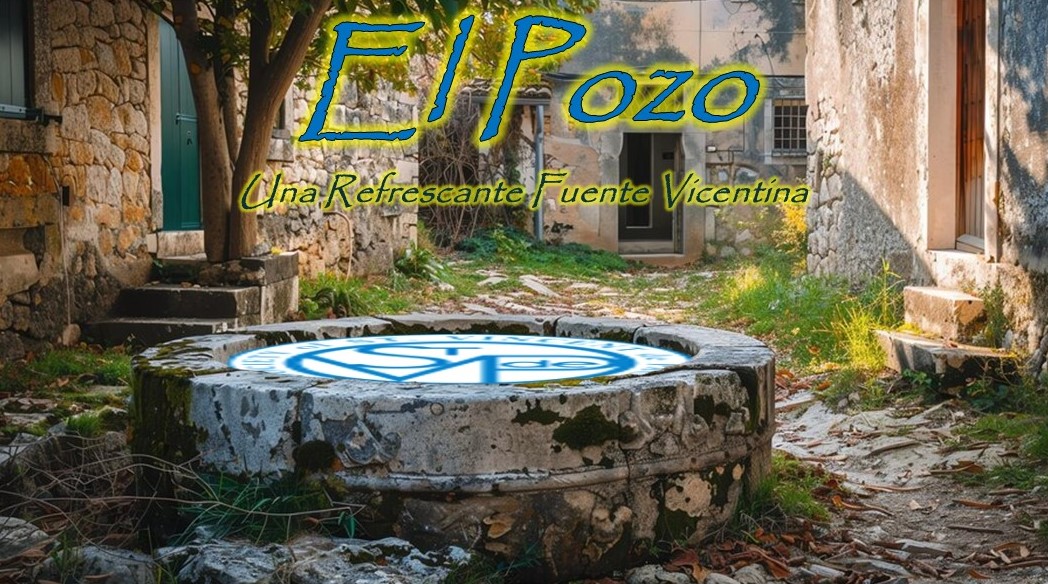
El Pozo: Una Refrescante Fuente Vicentina

El Pozo: Una Refrescante Fuente Vicentina 1048 584 Tim Williams

El Pozo: Una Refrescante Fuente Vicentina

Por Rita St. Pierre, Presidenta del Comité Nacional de Espiritualidad Vicentina

¿Con qué frecuencia nos sentimos sedientos mientras vivimos nuestra vocación Vicentina? ¿Es difícil renovar nuestro fervor? ¿Experimentamos fatiga con demasiada frecuencia al servir a los hijos de Dios? En este pequeño boletín trimestral, esperamos ofrecerle una frescura espiritual y proporcionarle algunos recursos y herramientas. Con suerte, en cada número encontraremos algo que satisfaga nuestra sed y nos fortalezca en nuestra fatiga mientras vivimos nuestra misión. Como leemos en Isaías 58:11 “Entonces el Señor te confortará en cada momento en los lugares desérticos te saciará. El rejuvenecerá tus huesos y serás como un j huerto regado, como un manantial de agua inagotable”. Tengámoslo todos presentes: con el Espíritu Santo, las aguas de nuestros esfuerzos Vicentinos nunca fallarán.

¿Qué tienen en común la Formación y el fútbol?

Por Marge McGinley, Presidenta del Comité Nacional de Formación Vicentina

Hace unas semanas, subí a mi automóvil y el radio estaba en la estación de los deportes. Eso pasa a veces cuando mi esposo usa mi automóvil. Para mi sorpresa, hablaban de “formación”. Inmediatamente, mis oídos se sintonizaron y en lugar de cambiar de estación, lo que sería mi respuesta habitual, empecé a escuchar. El comentarista hablaba de la importancia de que los futbolistas entiendan las distintas formaciones; Hicieron referencia al “libro de jugadas”, explicando que cuando los jugadores dedican tiempo al estudio, desarrollan un coeficiente intelectual para el deporte.

Bueno, inmediatamente me llamó la atención ver a estas personas hablando literalmente el idioma Vicentino. Nuestro querido San Vicente de Paúl hablaba de la importancia de la formación. “Tenemos que estudiar de tal manera que el amor corresponda al conocimiento”. [CCD XI:116] Nuestros corazones Vicentinos son un don del Espíritu Santo en nuestras vidas, pero debemos estudiar, debemos ser “formados”, para que nos entusiasmemos y permanezcamos entusiasmados en nuestro servicio, celebremos nuestro trabajo en equipo y amistad, que nos mantengamos enfocados en nuestro propósito principal, crecer en santidad. Los invitamos a que tomen el tiempo de leer este boletín y los números subsiguientes. Esperamos que se tomen el tiempo de venir al “pozo” para encontrar recursos e ideas para desarrollar su propio libro de jugadas Vicentinas. Como Consejero Espiritual o Formador, su conocimiento y fervor por la vocación Vicentina le permite capacitar o guiar a otros para que su coeficiente intelectual Vicentino los lleve a “ver el rostro de Cristo en los pobres”.

El primer Consejero Espiritual: un modelo a seguir para el resto de nosotros

Por Gail Rowe, Comité de Espiritualidad Vicentina

Los Consejeros Espirituales realmente no necesitan dar consejos. Caminar junto a otros Vicentinos mientras atravesamos el camino lleno de baches, desigual y a veces discordante hacia Dios, es lo que hacemos. Necesitamos algunas virtudes muy particulares para ayudar a nuestros colegas en nuestra misión de servicio. Tal vez algunas percepciones del primer Consejero Espiritual puedan beneficiarnos.

Como sabemos, Emmanuel Bailly fue el primer Presidente de la Sociedad. El Sr. Bailly también fue considerado el primer Consejero Espiritual, aunque el título aún no había sido creado.

El Sr. Bailly era propietario de un periódico que (1) permitía que los nuevos miembros de la Sociedad se reunieran en su propiedad. (2) Además de su cordial guía, el Sr. Bailly fue un hombre adelantado a su tiempo. (3) Nacido como Joseph-Emmanuel Bailly, su suegro le pidió que tomara el apellido de soltera de su novia para que el apellido no se perdiera. Con profundo respeto y (4) para honrar a su suegro, se convirtió en Joseph-Emmanuel Bailly de Surcy.

Emmanuel exhibió virtudes que siguen siendo relevantes.

  1. Era generoso… con cosas materiales, así como su tiempo y talentos
  2. Era un hombre amable. Dio su tiempo a los fundadores. Escuchaba. Guiaba.
  3. Respetaba a todas las personas, es decir, a sus suegros, a sus amigos, a aquellos a quienes servía
  4. Honraba a la gente. Demostraba cómo honrarse unos a otros.

Emmanuel Bailly también nos ha dejado algunos recordatorios de cómo ser santos Vicentinos confiando en Dios. De sus propias palabras:

“Si la visita a los que viven en la pobreza se realiza bien y regularmente, añadimos, querido hermano, un verdadero espíritu de caridad los unos hacia los otros, entonces el futuro de nuestra Sociedad está asegurado, y Dios colmará de sus bendiciones sobre ella”.

Las palabras de Emmanuel Bailly nos ayudan a recordar que debemos ser caritativos no solo con nuestros prójimos en necesidad, sino también con los demás. ¿No siente usted las bendiciones de Dios acumulándose y derramándose sobre usted?

De nuevo de E. Bailly:

“Lo que da fuerza y actividad, lo que pondrá todo en perfecta armonía en nuestro trabajo, es el amor sincero a los pobres de Jesucristo y la unión fraternal de todos los miembros de la Sociedad”.

¿No le recuerda a usted, que este servicio a Jesús, que todos somos abundantemente amados y estimados, y que nos ayuda a llevarnos bien? Recuerde, no estamos solos. Nos tenemos los unos a los otros como cajas de resonancia, mentores y amigos… Y… Tenemos a nuestros antepasados para que nos guíen. Paz a todos.

Un Modelo de Reflexión Vicentina

Por Sor Consuelo Tovar, DC Directora Asociada de Formación Vicentina

Hay muchos recursos y herramientas disponibles que puede utilizar como medida de apoyo en las Reflexiones Espirituales en las reuniones de la Conferencia, pero la herramienta no es la reflexión. ¿Cómo puedo utilizar la lectura, el video u otro recurso para fomentar el compartir y que nos conduzca a nuestro crecimiento en Santidad?

A continuación, se presentan dos modelos de reflexión basados en la CONTEMPLACIÓN VICENTINA: UN MODELO A SEGUIR por Timothy Williams, Director Principal de Formación Vicentina.

Llamado a la oración y a la reflexión

En el nombre del Padre…

Cuando fuimos llamados a esta vocación, ya estábamos llamados al liderazgo de servicio, todos podemos tener esa confianza, para cuando sea nuestro turno de servir, “Dios da suficientes gracias a aquellos a quienes Él llama”. [CCD IX:526]

Lector(es) designado(s):

  • “¿Líder? ¿Líder de servicio? ¿Quién, yo? “¿Consejero Espiritual? ¡Santo y al mando!”
  • Nosotros Pensamos: “¡De ninguna manera! ¡Yo no!”

Cuando escuchamos la palabra “líder” naturalmente pensamos en el gran ejemplo estadounidense: un líder carismático, seguro de sí mismo e inspirador. En resumen, un líder que sea “grande y esté al mando”.

Para la mayoría de nosotros, es muy difícil estar a la altura de esta imagen. Por lo tanto, cuando el Consejo o la Conferencia anuncia una próxima elección para un nuevo Presidente, o el nombramiento de un Consejero Espiritual, nos quedamos callados y miramos hacia otro lado. E incluso si nos invitan directamente a servir, nos retiramos. “Grande y al mando”, pensamos, “ese no soy yo”.

Tal vez, en cambio, deberíamos considerar primero que no son simplemente nuestros hermanos Vicentinos los que nos sugieren que consideremos servir como líderes. Después de todo, se nos enseña a discernir la voluntad de Dios para nosotros, en las personas y los eventos de nuestras vidas. Fue Dios quien nos llamó aquí, y Dios quien nos llama ahora. Si Dios nos pide, a través de otros, que consideremos liderar la Conferencia, o que sirvamos como Consejeros Espirituales, debemos tomarnos el tiempo para discernir seriamente ese llamado.

Al discernir, los Vicentinos consideran también la naturaleza del liderazgo: el Liderazgo de Servicio. Nuestro modelo no es el de comandante, el gobernante o el jefe. Nuestro modelo es el maestro y educador que se arrodilló y lavó los pies de sus discípulos. “Les he dado”, dijo, “un modelo a seguir”. Nuestro modelo de líder, entonces, no es el más grande, sino el más pequeño, no el amo sino el siervo. En resumen, un Líder de Servicio Vicentino no es “grande y está a cargo”, sino pequeño y para todos.

El Consejero Espiritual presenta las Preguntas de Reflexión con (2-3 minutos) de tiempo para la reflexión silenciosa; e invita a los Miembros a compartir con otros Vicentinos su reflexión:

¿Qué personas o acontecimientos me llevaron a unirme a la Sociedad en primer lugar? ¿Quién nos invitó a entrar?

¿Realmente he escuchado y he respondido al llamado de Dios a liderar?

Oración Final: Oración de Gratitud por el llamado de Dios al Liderazgo de Servicio

Segunda Reflexión

Puedo liderar, pero no estoy seguro de si tengo los dones para ser un líder de servicio.

¿Dice usted que simplemente no tienes el conocimiento o los dones para liderar? “No pienses”, explicó una vez San Vicente de Paúl, “que los puestos de responsabilidad siempre se dan a los más capaces o virtuosos”. [CCD IX: 526] El liderazgo de servicio es parte de nuestra vocación, y es precisamente la humildad que nos hace reacios a asumir un papel de liderazgo que nos hace más aptos para hacerlo. Confiar en la Providencia, en este caso, significa confiar en que “cuando Dios nos llama a sí mismo (…) o bien ve en nosotros las disposiciones apropiadas o ha determinado dárnoslas”. [CCD XI:128]

Nuestras Creencias Culturales nos recuerdan que “como Vicentinos estamos comprometidos a… desarrollarnos a nosotros mismos y a los demás para convertirnos en Líderes de Servicio”. [Regla, Parte III, St. 2]

Pregunta de reflexión:

¿Qué “Características Vicentinas de un Líder de Servicio” ven en mí mis Amigos Vicentinos?

Recuerde: Nuestras Creencias Culturales nos recuerdan que “como Vicentinos estamos comprometidos a… desarrollarnos a nosotros mismos y a los demás para convertirnos en Líderes de Servicio”. [Regla, Parte III, St. 2]

Videos, libros y sitios web, ¡Dios mío!

Recursos de Formación y Espiritualidad

Almacén de materiales

Nuestra librería en línea, conocida como la Tienda de Materiales, tiene libros y otros recursos organizados por categoría, que incluyen Espiritualidad, Formación, Patrimonio y Oración/Devocional, todos los cuales le ayudarán como Formador o Consejero Espiritual. La Historia incluye libros que puede leer y recomendar a los miembros, con el fin de profundizar su conocimiento de nuestros Santos, Beatos y fundadores. Los libros de Espiritualidad se centran en los senderos espirituales y las enseñanzas de nuestros santos y fundadores. La formación incluye una serie de libros especialmente diseñados para su uso en retiros y reflexiones, como la serie de Sirviendo en Esperanza. Finalmente, en Oración/Devocional, encontrará versiones impresas de las oraciones Vicentinas para las reuniones y la oración personal. ¡Tómese el tiempo de explorar todos los títulos!

Consejo profesional: en la parte inferior de la página, en cada una de estas secciones, busca algunos números de página diminutos. Cada sección tiene más de una página de libros, ¡no te pierdas ninguno de ellos!

Tarjetas de oración

¿Sabía usted que tenemos tarjetas de oración especiales para Frédéric, Rosalie, Vincent y Louise? Cada uno contiene oraciones que se componen de palabras escritas por esa persona. Son maravillosos para compartir en las reuniones, e incluso para compartir con los prójimos.

Quinto Foro de los Miércoles

Para Formadores y Consejeros Espirituales (y otros)

30 de abril, 7:00 p.m., hora del este

Sumérgete en la espiritualidad Vicentina

Ya sea que sea un Formador o Consejero Espiritual nuevo o experimentado, o esté tratando de discernir si está llamado a este servicio, esperamos que se una a nosotros para una sesión de Zoom muy interactiva. Después de una breve presentación, esta será una oportunidad para hacer preguntas y tener conversaciones con los miembros del Comité Nacional y entre todos. Nuestra primera sesión, que le dará un recorrido por los recursos disponibles (dónde encontrarlos y cómo usarlos) es el 30 de abril.

¡Regístrese ahora para asistir a una o todas las próximas sesiones!

Sign Up for Our Newsletter

Privacy Preferences

When you visit our website, it may store information through your browser from specific services, usually in the form of cookies. Here you can change your Privacy preferences. It is worth noting that blocking some types of cookies may impact your experience on our website and the services we are able to offer.

Click to enable/disable Google Analytics tracking code.
Click to enable/disable Google Fonts.
Click to enable/disable Google Maps.
Click to enable/disable video embeds.
Our website uses cookies, mainly from 3rd party services. Define your Privacy Preferences and/or agree to our use of cookies.
Skip to content