
• Search the Site

Posts By :

admin

Friends of the Poor Grant Award Winners 2025 – Round 1

Friends of the Poor Grant Award Winners 2025 – Round 1 1080 1080 admin

Congratulations to the Friends of the Poor Grant Award Winners of the Northeast Region, South Central Region, and West Region! 

Northeast $5,000.00 Corpus Christi Conference St. Johnsbury VT Rent, Transportation, Fuel & Utilities
Northeast $5,000.00 Sacred Heart Conference Merrick NY Car payments/repairs, Car Insurance/Registration, transportation
Northeast $5,000.00 Santo Christo Conference Fall River MA Rent & Food
Northeast $5,000.00 St. Boniface Martyr Conference Sea Cliff NY Rent payment to prevent Eviction
Northeast $5,000.00 St. Brendan Conference Riverside RI Rent and Utility assistance
Northeast $5,000.00 St. Charles Borromeo Conference Woburn MA Rent, Utilities, Food
Northeast $5,000.00 St. Francis of Assisi Conference Wakefield RI Food
Northeast $5,000.00 St. Joseph Conference West Warwick RI Heating/Oil/Gas, Rent (to prevent eviction), Utilities
Northeast $5,000.00 St. Pius V Conference Providence RI Rent payment & Security Deposits
Northeast $1,000.00 St. Anselm Conference Sudbury MA Rent and Utility assistance
Northeast $1,000.00 St. Frances Cabrini Conference Coram NY Beds/Bedding & Rental Assistance
Northeast $1,000.00 St. James Conference Seaford NY Rent/mortgage Utilities, Funds in kind/car repairs, transportation
Northeast $1,000.00 St. Mary of the Annunciation Conference Danvers MA Rent, Food , Utilities
Northeast $1,000.00 St. Matthias Conference Marlborough MA Rent payment & Transportation assistance
Northeast $1,000.00 St. Raphael Conference East Meadow NY Rent & Utilities
South Central $3,500.00 Sacred Heart Conference El Paso Tx Rent assistance
South Central $3,500.00 San Jose Conference Austin TX Rent and utility assistance
South Central $3,000.00 St. Gerard Majella Conference Baton Rouge LA Rent, electric, Water
South Central $3,000.00 St. Patrick Conference Houston TX Rent & Utilities
South Central $3,000.00 St. Rose of Lima Conference Houston TX Rent & Utilities
South Central $3,000.00 St. Thomas Aquinas Conference Ruston LA Rent payment assistance
South Central $2,500.00 Santa Cruz Conference Buda TX Rental assistance to avoid eviction
South Central $2,500.00 St. Helen Conference Pearland TX Food Purchase
South Central $2,500.00 St. Rose of Lima Conference San Antonio TX Food, Utilities, Rental Assistance
South Central $2,000.00 St. Helen Conference Georgetown TX Prevent Eviction, Car Repair
South Central $2,000.00 St. Mary Conference Wimberley TX Rent Payment up to 500 per family
South Central $1,500.00 St. Edward Conference Athens TX Rent & Housing
South Central $1,500.00 St. Helena Conference Amite LA Utilities, Rent, Eviction prevention
South Central $1,500.00 St. Pius X Conference Dallas TX Rent Payment
West $5,000.00 Callistus Conference El Sobrante CA Rent, Electricity, Water
West $4,000.00 Holy Family Conference San Jose CA Rent assistance & Utility payments
West $4,000.00 Holy Innocents Conference Duvall WA Large back rent/Large Utility Bills
West $4,000.00 Our Mother of Good Counsel Conference Los Angeles CA Rent payment, Room Rentals & Utilities
West $4,000.00 St. Bruno  Conference Whittier CA Rent assistance, Motel Stays, Utilities, gas card, gift cards
West $4,000.00 St. Phillip Conference Woodland WA Rental Assistance & Utility assistance
West $4,000.00 St. Stephen the Martyr Conference Renton WA Rent and Utility assistance
West $3,500.00 Christ the King Conference San Diego CA Rental Assistance & Utility Assistance
West $3,500.00 Nativity Conference Los Angeles CA Food, utilities, Eviction Prevention
West $3,500.00 Our Lady of Mount Carmel Conference San Ysidro CA Rent Assistance
West $3,500.00 St. Mark Conference Shoreline WA Rent support, Utility support, Beds & Furniture, Auto/emergency related
West $3,500.00 St. Mary Conference Eugene OR Rent assistance
West $3,500.00 St. Peter Martyr Conference Pittsburg CA Rent, utilities, Registrations & Food for pantry distribution
West $2,800.00 Immaculate Conception Conference Arlington WA Ret for neediest families
West $2,800.00 Immaculate Conception Conference Seattle WA Rent, utilities, Beds
West $2,800.00 Queen of Angeles Conference Port Angeles WA Gasoline, ferry tickets, lodging and phone/Cards
West $2,800.00 St. Catherine of Alexandria Conference Temecula CA Motel stays, Rental Assistance, Utilities Assistance
West $2,800.00 St. Matthew Conference Seattle WA Rent assistance, Eviction prevention


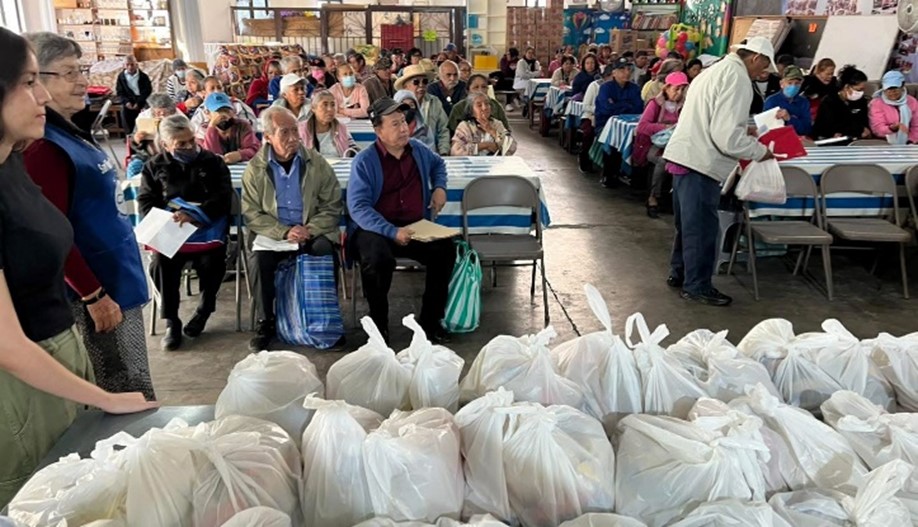
Feeding Hope: A Vincentian Connection from California to Morelos with International Twinning

Feeding Hope: A Vincentian Connection from California to Morelos with International Twinning 843 632 admin

Feeding Hope: A Vincentian Connection from California to Morelos

Through the International Twinning Program of the Society of St. Vincent de Paul, Vincentian communities form bonds of faith and charity that transcend borders. One inspiring example is the partnership between the St. Clement Conference in Hayward, California, and the Centro Vicentino de Morelos, operated by the Council of Region IV in Cuernavaca, Mexico.

The Centro Vicentino runs three essential projects: Nutrition, Education, and Community Support, which serve more than 450 families each month. Through these programs, families receive basic food pantry items to ensure they have meals at home. Additionally, the Center prepares and distributes hot meals daily, both on site and outside hospitals, providing nourishment to the families of patients who often face difficult circumstances.

This compassionate service goes beyond addressing physical needs, offering hope, dignity, and spiritual comfort to those served. The ongoing partnership with St. Clement Conference has strengthened the Center’s capacity, allowing it to reach even more vulnerable individuals and communities.

More than just financial support, this twinning relationship is a shared journey of prayer, communication, and commitment to service. The impact resonates deeply on both sides of the border. Families in Cuernavaca receive vital assistance and hope, while the members of St. Clement Conference experience spiritual renewal as they witness the power of solidarity.

If your Conference is not yet part of the Twinning Program, now is the time to consider joining. Twinning transforms lives, not only of those receiving help but also of those who serve.

To learn more about starting a Twinning relationship and discover the areas of greatest need, visit:
https://ssvpusa.org/international-twinning


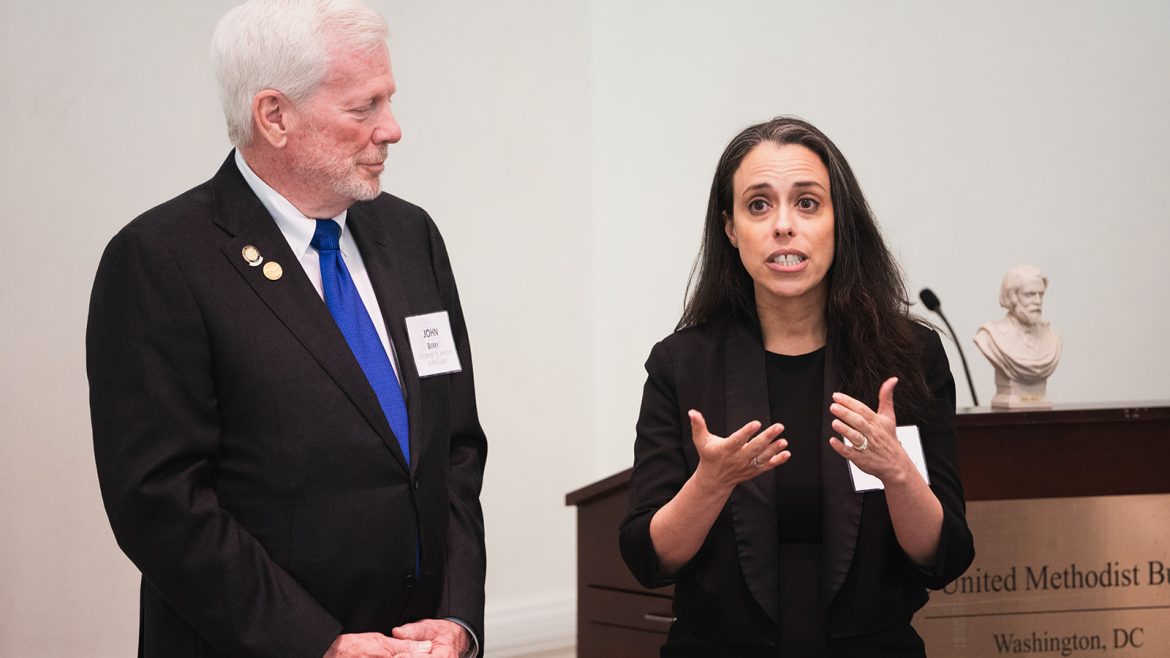
Our Work to Protect the Poor Must Go on After Reconciliation Bill Passage

Our Work to Protect the Poor Must Go on After Reconciliation Bill Passage 1600 1065 admin

Our Work to Protect the Poor Must Go on After Reconciliation Bill Passage

By John Berry, National President of SVdP USA 

In the Gospel reading on July 4, our nation’s independence day, Jesus called Matthew to join the disciples, prompting the Pharisees to ask why he ate with tax collectors and sinners. Jesus responded, “Those who are well do not need a physician, but the sick do. Go and learn the meaning of the words, ‘I desire mercy, not sacrifice.’”

This reading is fitting. After all, America was founded as a Christian nation. At our best, we are a nation of Matthews, sinners who hear the Word and follow Him. That is why it was so disappointing to me personally that on this very same day, a bill was signed into law that lacks mercy for the least of these.

The budget reconciliation bill, also known as the “One Big Beautiful Bill,” changes our nation’s SNAP and Medicaid programs, which will hurt men, women, and children by stripping away food and medical benefits that they rely on to survive. That is why the US Bishops and I, along with numerous other secular and faith-based organizations, urged Congress to protect Medicaid and SNAP. With freedom comes a responsibility to feed the hungry, shelter the homeless, and comfort the lonely.

So now, we must go forward. From the passage of this bill, it is estimated that millions of people will lose their Medicaid or food assistance benefits. Here are ways you can respond:

  1. We can expect an increased need for assistance in our communities. We encourage you to discuss at the local level how you might be able to adapt and scale up your services and programs.
  2. On July 17, SVdP USA’s national director of public policy and advocacy Ingrid Delgado will join a Voice for the Poor webinar to provide an update on current federal policy and how our new D.C. office staff is engaging on key issues, as well as how all of us can advocate effectively at the local level. You may register here.
  3. As SVdP USA continues to advocate for our neighbors in need, you can sign up for Voter Voice to receive electronic action alerts so that you can contact your elected officials on key legislation.

We 85,000 American Vincentians are fortified by the strength and knowledge that we are doing God’s will. We do this through our food banks and homeless shelters. We do this through our charitable pharmacies and our programs to aid immigrants. Mostly, we do this through our one-on-one encounters with people, for it is in those encounters that we see the very face of God. We will not stop working for them, and we will not stop advocating for those who have nobody else. We cannot – we will not – fail them.

6-12-25 Weekly Questions & Answers – Clarification

6-12-25 Weekly Questions & Answers – Clarification 1200 628 admin

Clarification to the June 12, 2025 Q&A 

Q: If a Vincentian moves to a new parish, can they remain with the Conference in their old parish or should they join the Conference in their new parish?

The recently published answer to the question above included the statement, “Members of the Society should affiliate themselves with their local parish Conference and Diocese. This will allow the member to continue to be considered a full-time active member.”  This could be interpreted that Vincentians must move their membership to remain an active member. We offer several important clarifications on this answer. There is nothing in the Rule or in Statute 3 that states an active member must be a member of the parish in which he or she worships, only that they must be Catholic, participate in the conference’s service, and regularly attend meetings (so they can participate in prayer and conference spiritual growth). [Rule, Part III, Statute 3]

Also, the answer included the statement, “it is possible for the pastor of a parish to make a restriction that only his parishioners be involved in ministry in his parish. If he so decides, we must honor that.” Phrased this way, the statement may be misinterpreted, so we wanted to clarify. First, and most importantly, the pastor does not in any way control eligibility for membership in the Society of St. Vincent de Paul. As the Rule makes clear regarding our relationship with the church hierarchy, “The Society is legally autonomous as to its existence, constitution, organization, rules, activities, and internal government. Vincentians freely choose their own officers and manage the Society’s activities and assets with full autonomy…” [Rule, Part I, 5.2] The Rule further explains that even “When the Holy See reviews the Statutes of the Society, it cannot invalidate any of these rights.” [Rule, Part II, 1.1] Selection of Members, then, is governed by our Rule, which allows, for example, even non-Catholics to join as Associate Members.

Having said this, it is important to note the vital importance of maintaining good relationships with our pastors, not only for the practical reasons that we operate in parishes with the permission of the pastor, but because “Respect of the members for the hierarchy provides the foundation for harmonious reciprocal cooperation.” [Rule, Part I, 5.1]

In the first Conference, Emmanuel Bailly recognized the importance of a close relationship with the pastor, keeping him regularly informed of the Society’s activities, inviting his participation in meetings and celebrations, and deferring to him in matters of Catholic faith and morals. In other words, our autonomy should never be asserted as a way to “win” a disagreement with our pastors, but should rather, as part of a healthy relationship, be a source of confidence for the pastor, and a motive of dedication for ourselves that we seek to serve the good of church, the needs of the poor, and the glory of God.


6-26-25 Weekly Questions & Answers

6-26-25 Weekly Questions & Answers 1200 628 admin

June 26, 2025

Q: Is it permissible for non-Catholic associate members to be members of our board of directors?

A: Non-Catholics may not be officers. That is confirmed in the Rule, Part III, Statute 3: “Only Active Members hold office in the organization.” Non-Catholics cannot be Active Members. Many of our Councils have members of the community (non-Vincentians) as members of their boards of directors. Those members of the community may or may not be Catholic. Keep in mind that the majority of board members must be Active Members of the Society. The Nationally approved bylaws have the following statement: “Active Members of the Society must always be a majority of the voting members of the corporation board.”

Q: We had an issue arise with a Conference regarding non-Catholic membership and voting for a new Conference President. We know that non-Catholics are allowed to join Conferences and participate in Conference activities. It is my understanding that they cannot become officers. However, are they allowed to vote in an election for Conference President?

A: There is nothing in the Rule that specifies voting eligibility. However, the nationally approved bylaws for Conferences say that each Active Member of a Conference has one vote, and that vote must be cast in person. Non-Catholics may not be Active Members; they can be Associate Members and, therefore, cannot vote for a president.


26 de Junio

P: ¿Es permisible que los Miembros Asociados no Católicos sean miembros de nuestra Mesa Directiva?

R: Los no Católicos no pueden ser Oficiales. Esto se confirma en la Regla, Parte III, Estatuto 3: “Sólo los Miembros Activos ocupan cargos en la organización”. Los no católicos no pueden ser Miembros Activos. Muchos de nuestros Consejos tienen miembros de la comunidad (no Vicentinos) como miembros de sus Mesas Directivas. Esos miembros de la comunidad pueden o no ser Católicos. Tenga en cuenta que la mayoría de los miembros de la Mesa Directiva deben ser Miembros Activos de la Sociedad. Los Estatutos aprobados a nivel Nacional tienen la siguiente declaración: “Los Miembros Activos de la Sociedad siempre deben ser la mayoría de los miembros con derecho a voto de la Mesa Directiva de la Sociedad”.

P: Tenemos un problema que surge con una Conferencia con respecto a la membresía no Católica y la votación para un nuevo Presidente de la Conferencia. Sabemos que a los no Católicos se les permite unirse a las Conferencias y participar en las actividades de la Conferencia. Tengo entendido que no pueden llegar a ser Oficiales. Sin embargo, ¿se les permite votar en una elección para Presidente de la Conferencia?

R: No hay nada en la Regla que especifique la elegibilidad para votar. Sin embargo, los Estatutos aprobados a nivel Nacional para las Conferencias dicen que cada Miembro Activo de una Conferencia tiene un voto, y ese voto debe ser emitido en persona. Los no Católicos no pueden ser miembros Activos; pueden ser Miembros Asociados y, por lo tanto, no pueden votar por un Presidente.


Clarification to the June 12, 2025 Q&A 

Q: If a Vincentian moves to a new parish, can they remain with the Conference in their old parish or should they join the Conference in their new parish?

The recently published answer to the question above included the statement, “Members of the Society should affiliate themselves with their local parish Conference and Diocese. This will allow the member to continue to be considered a full-time active member.”  This could be interpreted that Vincentians must move their membership to remain an active member. We offer several important clarifications on this answer. There is nothing in the Rule or in Statute 3 that states an active member must be a member of the parish in which he or she worships, only that they must be Catholic, participate in the conference’s service, and regularly attend meetings (so they can participate in prayer and conference spiritual growth). [Rule, Part III, Statute 3]

Also, the answer included the statement, “it is possible for the pastor of a parish to make a restriction that only his parishioners be involved in ministry in his parish. If he so decides, we must honor that.” Phrased this way, the statement may be misinterpreted, so we wanted to clarify. First, and most importantly, the pastor does not in any way control eligibility for membership in the Society of St. Vincent de Paul. As the Rule makes clear regarding our relationship with the church hierarchy, “The Society is legally autonomous as to its existence, constitution, organization, rules, activities, and internal government. Vincentians freely choose their own officers and manage the Society’s activities and assets with full autonomy…” [Rule, Part I, 5.2] The Rule further explains that even “When the Holy See reviews the Statutes of the Society, it cannot invalidate any of these rights.” [Rule, Part II, 1.1] Selection of Members, then, is governed by our Rule, which allows, for example, even non-Catholics to join as Associate Members.

Having said this, it is important to note the vital importance of maintaining good relationships with our pastors, not only for the practical reasons that we operate in parishes with the permission of the pastor, but because “Respect of the members for the hierarchy provides the foundation for harmonious reciprocal cooperation.” [Rule, Part I, 5.1]

In the first Conference, Emmanuel Bailly recognized the importance of a close relationship with the pastor, keeping him regularly informed of the Society’s activities, inviting his participation in meetings and celebrations, and deferring to him in matters of Catholic faith and morals. In other words, our autonomy should never be asserted as a way to “win” a disagreement with our pastors, but should rather, as part of a healthy relationship, be a source of confidence for the pastor, and a motive of dedication for ourselves that we seek to serve the good of church, the needs of the poor, and the glory of God.


Feature: Poverty Program committees

Feature: Poverty Program committees 1280 853 admin

A Tradition of Transformative Action 

By Steve Uram, National Director of Poverty Programs

The Society of St. Vincent de Paul is composed of individuals who seek personal holiness through works of charity – in other words, we are called to action. When you think of advocacy, your mind may immediately move to our National Voice for the Poor Committee, legislative advocacy through Voter Voice, or to our new Washington DC office, led by National Director of Public Policy and Advocacy, Ingrid Delgado. These groups take action to influence policy and change the systems that trap people in poverty.

It should come as no surprise that our other National Poverty Program Committees are also all about action: our new Poverty Action Committee and our Homelessness Prevention Committee. Both committees meet monthly over video chat and are open sessions that Vincentians can listen to.

The Poverty Action Committee is charged with engaging more Councils and Conferences in systemic or transformational change. Valuable webinars are available to watch, like last fall’s webinars on “The Benefits Cliff” (Part 1, Part 2).

The Poverty Action Committee is focused on how to encourage Conferences and Councils to build and expand their systemic change programs.  One way to inspire such change is through the Systemic Change Grant.  This annual grant provides up to $20,000 a year for Councils or Conferences to create or expand a transformational program that will shift the conditions that hold poverty in place. The grant application asks Conferences and Councils to draw from encounters with their neighbors, survey the needs of their community, and build sustainable and replicable programs.

“I have reviewed systemic change grant applications for over four years and have seen the innovative programs presented by Conferences and Councils to address the barriers faced by our neighbors,” said Deb Zabloudil, Chair of the Poverty Action Committee.  “This grant program allows conferences and councils the opportunity to pilot a new program or implement a more established program such as reentry, workforce development, or Getting Ahead, that are prevalent across the Vincentian Family network.”

The grant application, scoring rubric, and a recording of last week’s informational webinar can be found on our websiteApplications are due July 11th.

The Homelessness Prevention Committee is charged with providing guidance and best practices in homelessness prevention and shelter diversion to Councils and Conferences. They are working with likeminded national homelessness organizations to create a series of training courses and toolkits for Vincentians, continuing our long-standing mission to prevent homelessness in our local communities.

Denise Fisher, Chair of the Homelessness Prevention Committee said of her committee, “Our goal is to help Vincentians become confident in their knowledge of the homelessness response system and potential interventions to help neighbors avoid the trauma of homelessness. By using best practices in program design, we hope to help councils and conferences become more intentional about who they are serving, more effective in the way they are serving, and more confident in their ability to communicate and advocate for homelessness prevention efforts in their community.”

“Each one of us plays a vital role in this beautiful network of charity. We as Vincentians know we need to work together to tackle issues of poverty: we cannot do it alone. We cannot feed the hungry, shelter the unsheltered or pay for all our neighbor’s utilities by ourselves: we gather up, go out two by two to do that work together,” said Bobby Kinkela, Chair of the Voice for the Poor Committee. “Countless small acts of service combine to make meaningful impact in the world.”

Advocacy and action are, by definition, transformative. Those actions will become part of your culture. That culture will become a tradition. That’s how systemic or transformational change takes place, one action step at a time. Ask yourself, do you regularly make advocacy and action a part of your meeting agenda? If not, consider how you might do that.

SVdP Poverty Programs consist of the Homelessness Prevention Committee, the Poverty Action Committee, the Voice for the Poor and the following shared interest groups: Reentry, Workforce Development, Housing, and Getting Ahead.

6-19-25 Weekly Questions & Answers

6-19-25 Weekly Questions & Answers 1200 628 admin

June 19, 2025

Q: I would like to know if the National Council has written procedures as to how SVdP Conferences should handle the problem of people who want to give SVdP a donation and specifically designate an individual to be paid directly or indirectly by those funds donated or gifted.

A: This is effectively a gift from one individual to another and should not go through SVdP. The only case when it would be permissible is if SVdP originally decided they wanted to help this individual or family and then sought financial support to do so. Many Conferences require a Home Visit or other member interaction before any assistance is provided. We do not have a formal written policy related to this.


19 de Junio

P: Me gustaría saber si el Consejo Nacional tiene procedimientos escritos sobre cómo las Conferencias de SVdP deben manejar el problema de las personas que quieren dar una donación a SVdP y designar específicamente a una persona para que se le pague directa o indirectamente con esos fondos donados o regalados.

R: Esto es efectivamente un regalo de un individuo a otro y no debe pasar por SVdP. El único caso en el que sería permisible es si SVdP originalmente decidió que quería ayudar a esta persona o familia y luego buscó apoyo financiero para hacerlo. Muchas Conferencias requieren una Visita Domiciliaria u otra interacción con los miembros antes de que se brinde cualquier asistencia. No tenemos una política formal por escrito relacionada con esto.

6-12-25 Weekly Questions & Answers

6-12-25 Weekly Questions & Answers 1200 628 admin

June 12, 2025

Q: If a Vincentian moves to a new parish, can they remain with the Conference in their old parish or should they join the Conference in their new parish?

A: Members of the Society should affiliate themselves with their local parish Conference and Diocese. This will allow the member to continue to be considered a full-time active member. Thus, if the member moves to a new parish, so should their membership record be moved to a new Conference. However, there is nothing in The Rule that requires a Vincentian to be a parishioner of the parish where the Conference exists. There is also nothing in The Rule that would prevent a person from being a member in multiple Conferences. Also, it is possible for the pastor of a parish to make a restriction that only his parishioners be involved in ministry in his parish. If he so decides, we must honor that.

Q: Can a member of the Greek Orthodox Church be an officer and/or a spiritual advisor in our Conference?

A: When The Rule was approved internationally in 2003, each country was given the option of accepting the allowance of non-Catholics as officers as defined in Part 1 of The Rule. The United States decided that only Catholics may be officers of the Society. So, it is important to understand that only Catholics can be active members, and only active (full) members may be officers. It is also important to understand that only Catholics may be spiritual advisors. There are certain eastern rites that are in full communion with the Catholic Church. Members of eastern rite churches are welcome as active (full) members. However, the Greek Orthodox Church is not in communion with the Catholic Church; therefore, the individual you speak of cannot be an officer or a spiritual advisor. He/she can be an associate member.


12 de Junio

P: Si un Vicentino se cambia a una nueva parroquia, ¿puede permanecer en la Conferencia en su antigua parroquia o debe unirse a la Conferencia en su nueva parroquia?

R: Los miembros de la Sociedad deben afiliarse a su parroquia y diócesis local. Esto permitirá que el miembro continúe siendo considerado un Miembro Activo a tiempo completo. Por lo tanto, si el miembro se muda a una nueva parroquia, también debe trasladarse su registro de membresía a una nueva Conferencia. Sin embargo, no hay nada en la Regla que requiera que un Vicentino sea feligrés de la parroquia donde existe la Conferencia. Tampoco hay nada en La Regla que impida a una persona ser miembro de varias Conferencias. Además, es posible que el párroco de una parroquia haga una restricción para que solo sus feligreses participen en el ministerio en su parroquia. Si él así lo decide, debemos honrarlo.

P: ¿Puede un miembro de la Iglesia Ortodoxa Griega ser Oficial y/o Consejero Espiritual en nuestra Conferencia?

R: Cuando la Regla fue aprobada internacionalmente en 2003, a cada país se le dio la opción de aceptar la asignación de no Católicos como Oficiales, tal como se define en la Parte 1 de la Regla. Los Estados Unidos decidieron que sólo los Católicos podían ser Oficiales de la Sociedad. Por lo tanto, es importante entender que solo los Católicos pueden ser Miembros Activos, y solo los Miembros Activos (en pleno derecho) pueden ser Oficiales. También es importante entender que solo los Católicos pueden ser Consejeros Espirituales. Hay ciertos ritos orientales que están en plena comunión con la Iglesia Católica. Los miembros de las iglesias de rito oriental son bienvenidos como Miembros Activos (en pleno derecho). Sin embargo, la Iglesia Ortodoxa Griega no está en comunión con la Iglesia Católica; Por lo tanto, la persona de la que usted habla no puede ser un Oficial o un Consejero Espiritual. Puede ser solamente Miembro Asociado.

6-5-25 Weekly Questions & Answers

6-5-25 Weekly Questions & Answers 1200 628 admin

June 5, 2025

Q: Are there any guidelines regarding reimbursement of Vincentians for attending national and regional meetings? Who is eligible, what is covered, what about spouses, and what about side events? (trips, golf, etc.)

A: If a member is designated as one who must attend a national or regional meeting, such as the National Council Member, then the Council to which the member belongs is expected to pay the expenses for the trip, hotel, normal meals, and meeting. This is only for the members (who are) expected to attend. It does not cover spouses, and it does not cover extraordinary expenses or side events unless the event is a necessary part of the gathering. If a Council or Conference chooses to sponsor anyone else to attend, or if someone wants to attend on their own, they may do so. The Council/Conference may set their own guidelines for what expenses are covered.

Q: If a Conference is going through some difficult times due to behaviors from an officer that are against the most basic and fundamental values of the Society, is it proper to involve the Spiritual Advisor? I believe we are obligated to involve our Spiritual Advisor, as I am concerned about the spiritual health of the members and the Conference. Is this proper?

A: One of the most important functions of a Spiritual Advisor is to help all of the members keep things in perspective (spiritually and in service). Yes, it would be important to include the Spiritual Advisor. Also, keep in mind that only the president is an elected position. All other officers are appointed by the president who may remove them from office if they are not fulfilling their roles properly and appoint someone else. The Rule, Part III, Statute 12 states: “All officers named by the president serve at the pleasure of the president.” This indicates the ability of the president to remove an officer and appoint someone in his/her place.


5 de Junio

P: ¿Existen directrices sobre el reembolso a los Vicentinos por asistir a las reuniones Nacionales y Regionales? ¿Quién es elegible, qué está cubierto, qué pasa con los cónyuges, qué pasa con los eventos paralelos (viajes, golf, etc.), etc.?

R: Si se designa a un Miembro como alguien que debe asistir a una reunión Nacional o Regional, como Miembro del Consejo Nacional, se espera que el Consejo al que pertenece, pague los gastos del viaje, el hotel, las comidas normales y la reunión. Esto es solo para los Miembros (que) se espera que asistan. No cubre a los cónyuges, y no cubre gastos extraordinarios o eventos paralelos a menos que el evento sea una parte necesaria de la reunión. Si un Consejo o Conferencia decide patrocinar a alguien más para que asista, o si alguien quiere asistir por su cuenta, puede hacerlo. El Consejo/Conferencia puede establecer sus propias directrices sobre los gastos que se cubren.

P: Si una Conferencia está pasando por momentos difíciles debido a comportamientos de un Oficial que van en contra de los valores más básicos y fundamentales de la Sociedad, ¿es apropiado involucrar al Consejero Espiritual? Creo que estamos obligados a involucrar a nuestro Consejero Espiritual, ya que estoy preocupado por la salud espiritual de los miembros y de la Conferencia. ¿Es correcto hacerlo?

R: Una de las funciones más importantes de un Consejero Espiritual es ayudar a todos los miembros a mantener las cosas en perspectiva (espiritualmente y en el servicio). Sí, sería importante incluir al Consejero Espiritual. Además, tenga en cuenta que solo el Presidente es electo. Todos los demás Oficiales son nombrados por el Presidente, quien puede destituirlos de su cargo si no cumplen adecuadamente sus funciones y nombrar a otra persona. La Regla, Parte III, Estatuto 12 establece: “Todos los Oficiales son nombrados por el Presidente y sirven a voluntad del Presidente”. Esto indica la capacidad del Presidente para destituir a un Oficial y nombrar a alguien en su lugar.

Feature on Formation: The Society and Catholic Social Doctrine

Feature on Formation: The Society and Catholic Social Doctrine 788 998 admin

The Society and Catholic Social Doctrine – Learning is Available

By Tim Williams, Senior Director of Formation & Leadership Development

In his book A New Century Dawns, Fr. Robert Maloney, CM, raises the interesting point that if you were to ask the average Catholic to name the Ten Commandments, the Seven Sacraments, or the Theological Virtues, most of us could do so. But if you ask us the basic principles of Catholic Social Teaching, we often respond with a blank look.

Yet it is our church’s social doctrine which presents to us not only the what or the why of our faith, but the how – the ways in which we may live our faith in every part of our lives, applying the timeless teachings of the church to our particular time and circumstances.

Serving in Hope, Module IV – Our Vincentian Mission, like all the Serving in Hope learning resources, includes videos, readings, discussion topics, and prayers, divided into six short sessions. Magazine-sized books are available for purchase and designed to be used in Conference Meetings or retreats, or for individual reading, in combination with prayers and a video. Each session takes about 20 minutes as a group reflection, or the entire Module may be used for a longer retreat.

Serving in Hope Module IV includes sessions on:

  • Justice and Charity
  • Catholic Social Teaching
  • Life and Dignity
  • Family, Community, and Rights
  • The Poor and Work
  • Solidarity and Creation

For a deeper examination of Catholic Social Doctrine, the Ozanam Institute offers a full online course with video lectures and supplemental readings expanding on each of the Four Permanent Principles of Catholic Social Doctrine: The Dignity of the Human Person, Solidarity, Subsidiarity, and the Common Good. It is free to enroll.

In his short life on earth, Frédéric anticipated so many of the church’s teachings; in his manner of living his faith, he was the very epitome of what we now call the Apostolate of the Laity. As a result, it is fair to say that Vincentians, even among our fellow Catholics, have a special responsibility to know and to live our Catholic Social Doctrine.

At his beatification in 1997, Pope Saint John Paul II pointed out the important influence of Blessed Frédéric’s writing, thought, and example on the church’s modern social teaching, particularly Pope Leo XIII’s seminal encyclical Rerum Novarum.

When Pope Leo XIII wrote Rerum Novarum in 1891, he was responding to the ongoing societal and political upheavals in the wake of the industrial revolution. His important teaching helped to shine the light of Christ on these temporal concerns, and continue to serve as a model for Catholic Social teaching. By choosing the name Leo XIV, our current Holy Father has warned of the urgency of a new technological revolution, with innovations such as AI posing a potential threat to our very humanity.

It is an excellent time in the history of our world, our church, and our Society to take the time to study and to better understand our Catholic Social Teaching.


For videos, use password “hope” 

Sign Up for Our Newsletter

Privacy Preferences

When you visit our website, it may store information through your browser from specific services, usually in the form of cookies. Here you can change your Privacy preferences. It is worth noting that blocking some types of cookies may impact your experience on our website and the services we are able to offer.

Click to enable/disable Google Analytics tracking code.
Click to enable/disable Google Fonts.
Click to enable/disable Google Maps.
Click to enable/disable video embeds.
Our website uses cookies, mainly from 3rd party services. Define your Privacy Preferences and/or agree to our use of cookies.
Skip to content