
When a man in Massachusetts lost his driver’s license because of unpaid excise taxes, his commute to Boston—more than 60 miles each way—became an exhausting ordeal. Without a license, he couldn’t drive. Without driving, he risked losing his job.
Through the Society of St. Vincent de Paul’s (SVdP) microloan program, he received a loan that helped him pay off more than $1,200 in back taxes – enough to renew his license, keep his job, and ease the financial and emotional toll on his family.
“Both his and his wife’s blood pressure went way down real fast,” said Judy Coleman, a Vincentian of almost 25 years from the Northeast. “That’s the kind of difference these loans make.”
The Mini Loan Program of the Society of St. Vincent de Paul (SVdP) North Texas provides small-dollar loans — typically between $500 and $4,000 – to individuals caught in predatory payday or title loans, or those in urgent need of car repairs or apartment deposits. Loans are paid directly to vendors and carry just 3% interest over a 12-month period.
SVdP’s Alternative Lending/Microloan Programs are just a few of many ways SVdP serves vulnerable individuals and families, reaching an average of 5 million people each year across the United States with compassionate, person-to-person assistance.
Juli Maxon, Mini Loan Program Coordinator and trained financial coach for SVdP North Texas, says microloans are just the beginning. “We started shifting toward financial literacy,” Maxon explained. “We help people set up budgets, prioritize their debt, and start saving, even if it’s just $5 a month. That’s how change begins.”
Maxon meets one-on-one with participants over Zoom and also offers group classes. One client, a single mother, dreamed of taking her son on a vacation and eventually buying her first home. With guidance and accountability, she did both – saving for a weekend getaway, and later purchasing a home in January.
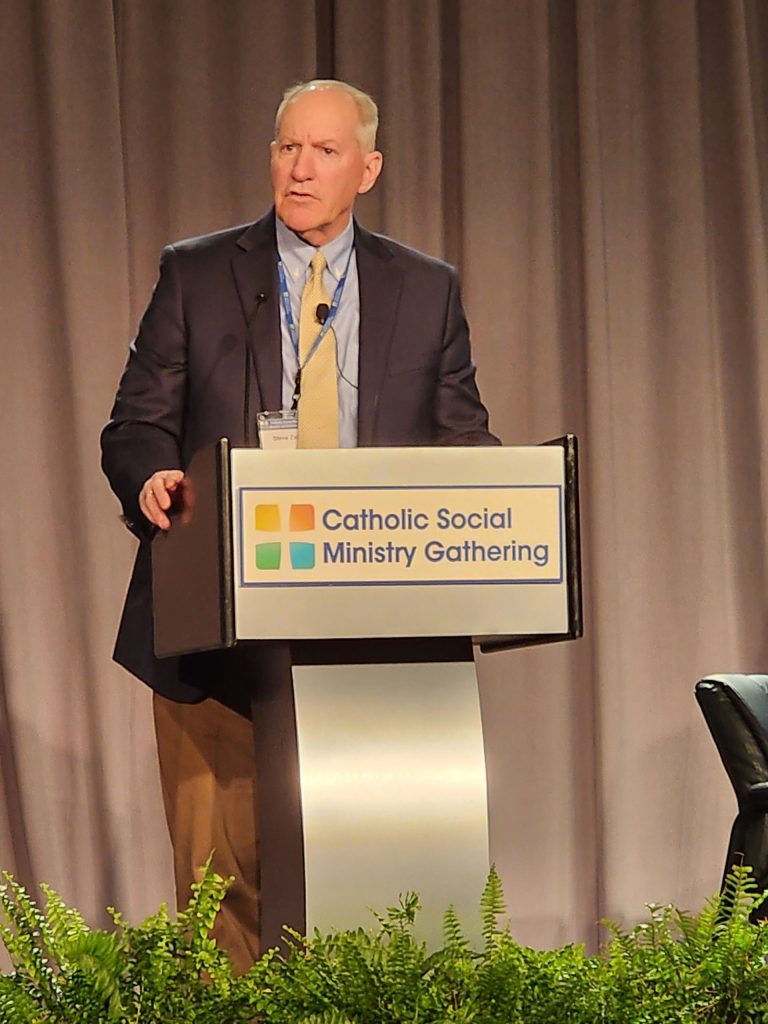
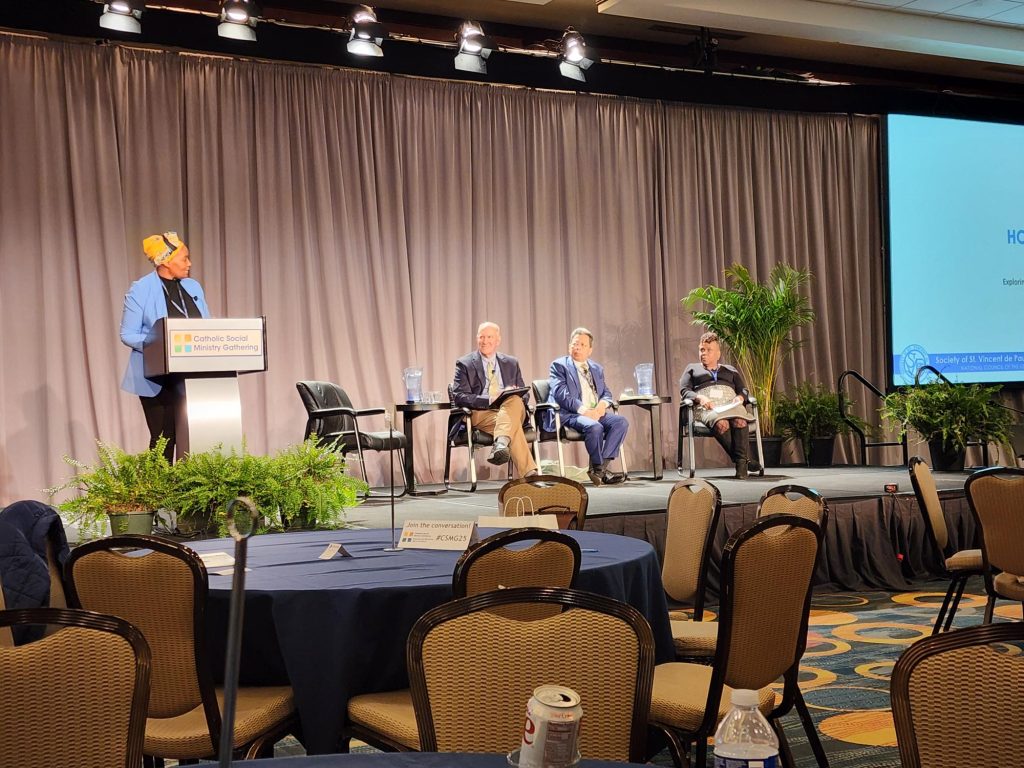
SVdP’s Conferences in Central Ohio are also educating their communities, but through somewhat of a different lens. They have held community forums on predatory lending, for example, to help communities understand how payday lending works and its detrimental effects on people who are unable to afford high interest rates.
“At each forum, we had someone who had taken out a payday loan speak about how hard it was to get out from under the loan,” said Deb Zabloudil, SVdP volunteer and chair of its Poverty Action Committee. “After the sessions, we sent letters and one of us testified before the Ohio Senate once the bill finally made its way to the floor of the Ohio House and Senate for hearings.” As a result, the Ohio Fairness in Lending Act was passed in 2018 and went into effect in 2019.
In every region, the stories multiply. A widowed woman in her 70s took out a title loan to cover a car repair. With SVdP’s help, she paid it off and returned later—this time avoiding the payday lender—to request a second emergency loan. She’s now repaying on time and doing well.
Whether it’s through a microloan program, food pantry, or Home Visit, the principle is the same: SVdP Vincentians offer a lifeline and walk alongside neighbors to a stronger, more stable future.
“It’s about trust, compassion, and hope,” said Louise Bland, Mini Loan Program Leader for SVdP North Texas. “Sometimes a little help goes a very long way.”