• Search the Site

Upcoming Events

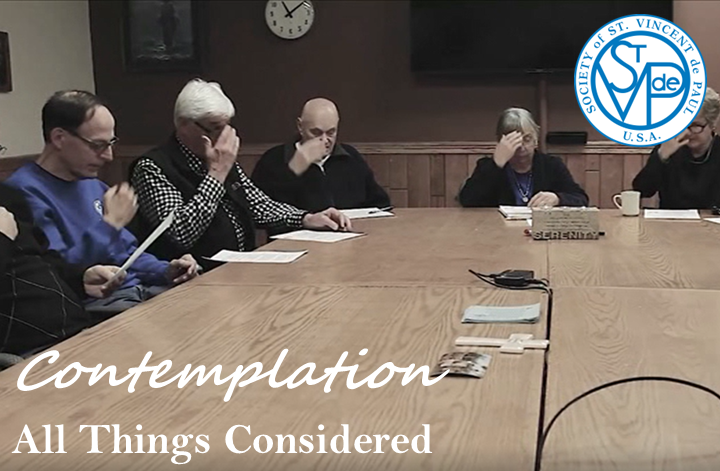
Contemplation: No Member Above Another

Contemplation: No Member Above Another 720 483 Tim Williams

Leer en Español

By Timothy P. Williams, Senior Director of Formation and Leadership Development 

Servant leadership is a phrase that, on its face, seems to be a contradiction. After all, we suppose, a leader is the one in charge, and the servant is the one the leader is in charge of. How can one be both? In the business world, the phrase “servant leadership” was popularized in the 1960s by Robert Greenleaf, who offered a new model to replace “scientific management” and other rigid, hierarchical models. Yet the concept was not new. It merely echoed the teaching of our Savior, whose example and teaching has inspired the Society’s model of servant leadership from the beginning.

When the sons of Zebedee sought a place of honor among the disciples, Jesus explained to them what this meant, saying, “You know that the rulers of the Gentiles lord it over them, and the great ones make their authority over them felt. But it shall not be so among you. Rather, whoever wishes to be great among you shall be your servant; whoever wishes to be first among you shall be your slave.” This was a radical notion for His time and for ours. Who seeks out leadership only to become the lowest?

Some members are reluctant, at first, to take on a leadership role because they do not see themselves as the kind of “commanders” or charismatic figures that the word “leader” conjures in our cultural imagination. The average Vincentian would rather help others as part of the team. Yet this very reluctance towards being in charge was one of the things the St. Vincent considered a key attribute for leadership. Indeed, he said that one brother’s “unimaginable passion for being in charge” actually “frightened” him! [CCD II:326] He even went so far as to say that if one thinks she should be a leader because “she is more capable, would be a better leader, has greater experience, is more prayerful…that’s a diabolical spirit”. [CCD IX:532]

Our Rule says that we should choose for “Council and Conference leadership positions [those] who will carry out their tasks with the same dedication with which they work within their own Conference.” This is not to say Council leadership should merely be like Conference work, but that leaders should “participate regularly in meetings and charitable activities of the Society and visit the poor as often as possible.” [Rule, Part III, St. 12] The commentaries explain further that Council leaders from District to National should “belong to a Conference…This a beautiful custom, which ensures that everyone operates at the ‘grass-roots’ level and ‘keeps their feet on the ground’.”

In the Society, leadership is an essential part of every member’s calling, and it is never removed or separated from the membership we share. As servant leaders, we do not command, but rather serve God, the poor, and each other. As Emmanuel Bailly, the first Conference President, and the first President-General, explained in an 1841 Circular Letter, “No member is above another member”.

Contemplate

If I am reluctant to be “in charge”, am I willing to be a servant?

Recommended Reading

Explore servant leadership in the Vincentian Pathway, and consider attending Invitation for Renewal

Contemplación: Ningún miembro por encima de otro

Traducción de Sandra Joya

El liderazgo de servicio es una frase que, a primera vista, parece contradictoria. Después de todo, suponemos que un líder es quien manda, y el siervo es aquel a quien el líder dirige. ¿Cómo se pueden ser ambas cosas? En el mundo empresarial, la frase «liderazgo de servicio» se popularizó en la década de 1960 gracias a Robert Greenleaf, quien propuso un nuevo modelo para reemplazar la «gestión científica» y otros modelos rígidos y jerárquicos. Sin embargo, el concepto no era nuevo. Simplemente reflejaba las enseñanzas de nuestro Salvador, cuyo ejemplo y enseñanza han inspirado el modelo de liderazgo de servicio de la Sociedad desde sus inicios.

Cuando los hijos de Zebedeo buscaban un lugar de honor entre los discípulos, Jesús les explicó lo que esto significaba, diciendo: «Ustedes saben que los gobernantes de las naciones se enseñorean de ellas, y los grandes las ostentan. Pero entre ustedes no será así. Al contrario, el que quiera ser grande entre ustedes será su servidor; el que quiera ser el primero entre ustedes será su esclavo». Esta era una idea radical para su tiempo y para el nuestro. ¿Quién busca el liderazgo solo para ser el último?

Al principio, algunos miembros se muestran reacios a asumir un rol de liderazgo porque no se ven como el tipo de «comandantes» o figuras carismáticas que la palabra «líder» evoca en nuestro imaginario cultural. El vicentino promedio preferiría ayudar a los demás como parte del equipo. Sin embargo, esta misma reticencia a estar al mando era uno de los aspectos que San Vicente consideraba un atributo clave para el liderazgo. De hecho, dijo que la «inimaginable pasión por estar al mando» de un hermano, ¡en realidad lo «asustaba»!  [CCD II:326] Incluso llegó a decir que si uno piensa que debería ser líder porque “es más capaz, sería mejor líder, tiene mayor experiencia, es más devota… eso es un espíritu diabólico”. [CCD IX:532]

Nuestra Regla dice que debemos elegir para “los puestos de liderazgo del Consejo y la Conferencia a quienes desempeñen sus tareas con la misma dedicación con la que trabajan en su propia Conferencia”. Esto no significa que el liderazgo del Consejo deba ser simplemente como el trabajo de la Conferencia, sino que los líderes deben “participar regularmente en las reuniones y actividades caritativas de la Sociedad y visitar a los pobres con la mayor frecuencia posible”. [Regla, Parte III, Est. 12] Los comentarios explican además que los líderes del Consejo, desde el Distrito hasta la Nacional, deben “pertenecer a una Conferencia… Esta es una hermosa costumbre, que garantiza que todos operen desde la base y mantengan los pies en la tierra”.

En la Sociedad, el liderazgo es parte esencial del llamado de cada miembro y nunca se elimina ni se separa de la membresía que compartimos. Como líderes servidores, no mandamos, sino que servimos a Dios, a los pobres y a los demás. Como explicó Emmanuel Bailly, primer Presidente de la Conferencia y primer Presidente General, en una Carta Circular de 1841: «Ningún miembro está por encima de otro».

Contemplar

Si me resisto a estar «a cargo», ¿estoy dispuesto a servir?

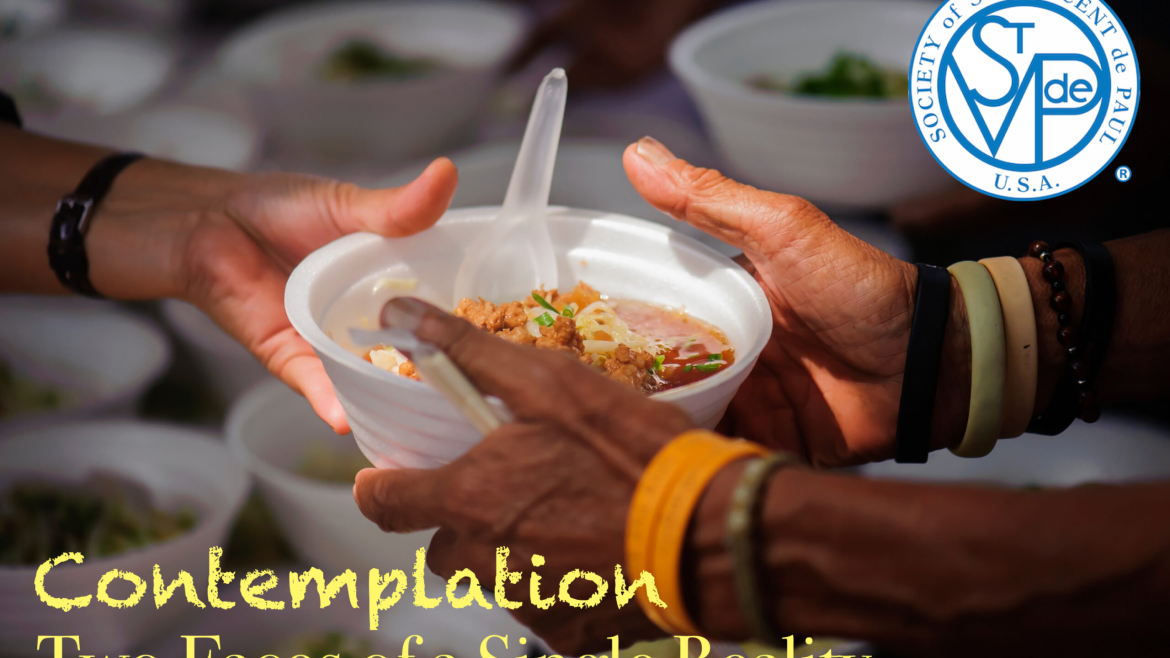
Feeding Hope: A Vincentian Connection from California to Morelos with International Twinning

Feeding Hope: A Vincentian Connection from California to Morelos with International Twinning 843 632 admin

Feeding Hope: A Vincentian Connection from California to Morelos

Through the International Twinning Program of the Society of St. Vincent de Paul, Vincentian communities form bonds of faith and charity that transcend borders. One inspiring example is the partnership between the St. Clement Conference in Hayward, California, and the Centro Vicentino de Morelos, operated by the Council of Region IV in Cuernavaca, Mexico.

The Centro Vicentino runs three essential projects: Nutrition, Education, and Community Support, which serve more than 450 families each month. Through these programs, families receive basic food pantry items to ensure they have meals at home. Additionally, the Center prepares and distributes hot meals daily, both on site and outside hospitals, providing nourishment to the families of patients who often face difficult circumstances.

This compassionate service goes beyond addressing physical needs, offering hope, dignity, and spiritual comfort to those served. The ongoing partnership with St. Clement Conference has strengthened the Center’s capacity, allowing it to reach even more vulnerable individuals and communities.

More than just financial support, this twinning relationship is a shared journey of prayer, communication, and commitment to service. The impact resonates deeply on both sides of the border. Families in Cuernavaca receive vital assistance and hope, while the members of St. Clement Conference experience spiritual renewal as they witness the power of solidarity.

If your Conference is not yet part of the Twinning Program, now is the time to consider joining. Twinning transforms lives, not only of those receiving help but also of those who serve.

To learn more about starting a Twinning relationship and discover the areas of greatest need, visit:
https://ssvpusa.org/international-twinning


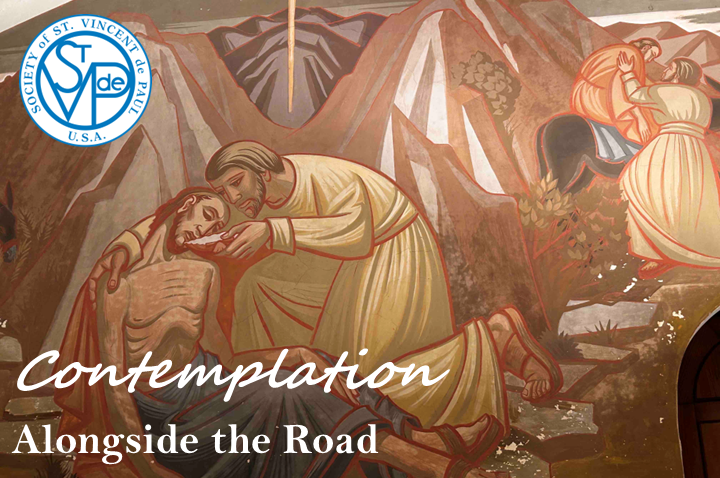
Contemplation: Catching a Glimpse

Contemplation: Catching a Glimpse 720 482 Tim Williams

Leer en Español

By Timothy P. Williams, Senior Director of Formation and Leadership Development 

There are few things that can cheer a parent’s heart more than to hear their child exclaim, “This was the best day of my life!” Hearing this is one of the best moments of the parent’s life, no matter what else is going on in the world, no matter the worries of the days ahead that may weigh on us. And although that child has many more days ahead of him – some happy, some sad – he will always remember this one, not for whatever activities made him so happy, but for the happiness itself. The memory of days and moments like these can help carry us through times of trial.

One of the great burdens of poverty, whether it is short-term, situational poverty or lifelong, generational poverty, is the feeling of isolation and abandonment that it can engender. Overwhelmed by what seem to be insurmountable challenges can cause us not only to lose hope, but to lose the energy to even try to find a way out. Even Vincentian home visitors can become overwhelmed by the stories we hear and discouraged that we can’t solve every problem. It can cause us to lose sight of why we go to the poor in the first place.

How often do we hear that we are the only ones who returned the call for help? How often, when we depart, does the neighbor offer heartfelt thanks for our visit “even if you can’t help”? The poet Maya Angelou once said that “people will forget what you said, people will forget what you did, but people will never forget how you made them feel.”

While it is true that we also help with bills, rent, food, and “any form of help that alleviates suffering or deprivation” [Rule, Part I, 1.3], those are not the things that wipe away tears, or make future burdens lighter. Rather, it is when our presence and our caring allow them to “catch a glimpse of God’s great love for them” [Rule, Part I, 2.1] that the visit can become one of those moments that buoys the spirits not only today, but for many days to come.

We have all called friends in times of distress, not because we thought they could do anything about the illness, job loss, or other difficulty we were facing, but because we needed them to share our burden, to remind us by their presence and understanding that we are not alone. It is for exactly that reason that our Rule calls us to “establish relationships based on trust and friendship.” [Rule, Part I, 1.9]

We always give generously, we always provide whatever material assistance we can, but we must always also be mindful that even if “I give away everything I own…but do not have love, I gain nothing.” We visit as friends in the hope above all that the neighbor will buoyed, today and in days to come, by how we made them feel: loved.

Contemplate

How can I be a better friend to the neighbor?

Recommended Reading

Faces of Holiness

Contemplación: Un vistazo

Traducción de Sandra Joya

Pocas cosas alegran más el corazón de un padre que escuchar a su hijo exclamar: “¡Este fue el mejor día de mi vida!”. Escuchar esto es uno de los mejores momentos de la vida de un padre, sin importar lo que suceda en el mundo, sin importar las preocupaciones que nos agobien en los próximos días. Y aunque ese hijo tenga muchos más días por delante —algunos felices, otros tristes—, siempre recordará este, no por las actividades que lo hicieron tan feliz, sino por la felicidad misma. El recuerdo de días y momentos como estos puede ayudarnos a superar los momentos difíciles.

Una de las grandes cargas de la pobreza, ya sea la pobreza temporal y situacional o la pobreza generacional de por vida, es la sensación de aislamiento y abandono que puede generar. Abrumados por desafíos aparentemente insuperables, podemos no solo perder la esperanza, sino también la energía para intentar encontrar una salida.  Incluso los visitadores domiciliarios Vicencianos pueden sentirse abrumados por las historias que escuchamos y desanimados por no poder resolver todos los problemas. Esto puede hacernos perder de vista la razón principal por la que acudimos a los pobres.

¿Con qué frecuencia escuchamos que somos los únicos que devolvimos la llamada de ayuda? ¿Con qué frecuencia, al despedirnos, el vecino nos agradece de corazón nuestra visita «aunque no pueda ayudar»? La poeta Maya Angelou dijo una vez: «La gente olvidará lo que dijiste, la gente olvidará lo que hiciste, pero la gente nunca olvidará cómo los hiciste sentir».

Si bien es cierto que también ayudamos con las facturas, el alquiler, la comida y «cualquier tipo de ayuda que alivie el sufrimiento o la privación» [Regla, Parte I, 1.3], esas no son las cosas que enjugan las lágrimas ni alivian las cargas futuras.  Más bien, es cuando nuestra presencia y nuestro cariño les permiten vislumbrar el gran amor de Dios por ellos [Regla, Parte I, 2.1] que la visita puede convertirse en uno de esos momentos que animan el ánimo, no solo hoy, sino por muchos días.

Todos hemos llamado a amigos en momentos de angustia, no porque pensáramos que pudieran hacer algo por la enfermedad, la pérdida del trabajo u otra dificultad que afrontábamos, sino porque necesitábamos que compartieran nuestra carga, que nos recordaran con su presencia y comprensión que no estamos solos. Es precisamente por eso que nuestra Regla nos llama a establecer relaciones basadas en la confianza y la amistad [Regla, Parte I, 1.9]

Siempre damos generosamente, siempre brindamos toda la ayuda material posible, pero también debemos ser conscientes de que incluso si “doy todo lo que tengo… pero no tengo amor, no gano nada“. Visitamos como amigos con la esperanza, sobre todo, de que el prójimo se sienta animado, hoy y en el futuro, por cómo lo hicimos sentir: amado.

Contemplar

¿Cómo puedo ser mejor amigo del prójimo?

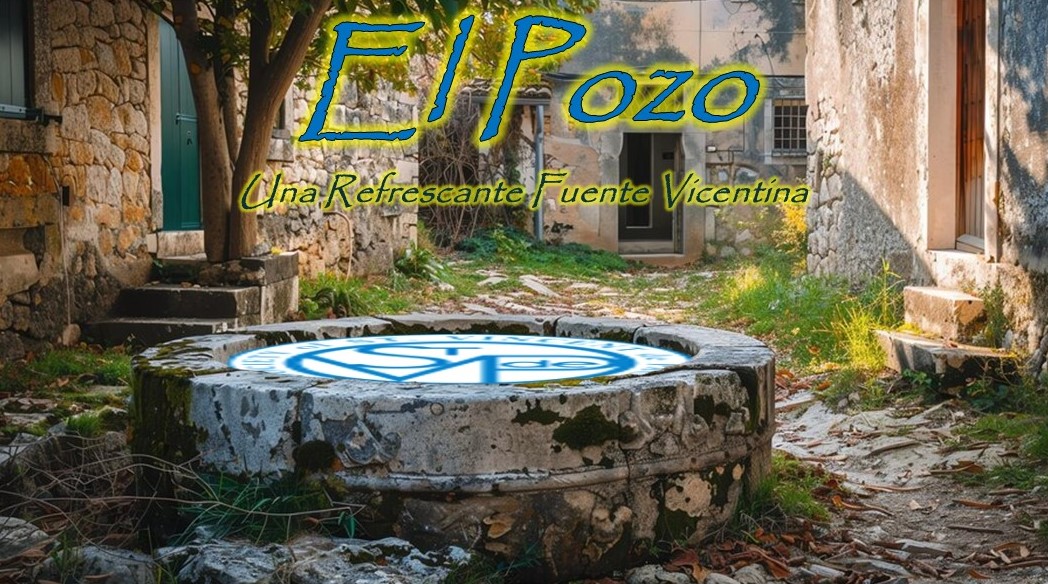
El Pozo: Una Refrescante Fuente Vicentina 7-2025

El Pozo: Una Refrescante Fuente Vicentina 7-2025 1048 584 Tim Williams

Aprender de Cristo en como verlo en el momento del encuentro

Por Rita St. Pierre, Presidenta del Comité Nacional de Espiritualidad Vicentina

Como Vicentinos, a menudo se nos recuerda que nuestro carisma es “ver el rostro de Cristo en los pobres”. Pero ¿cómo entender el término “carisma” y cómo lo vivimos? La palabra “carisma” proviene del griego y significa “favor” o “don gratuito”. Los carismas son gracias o dones del Espíritu Santo.

Esta gracia de ver el rostro de Cristo en los pobres y ser Cristo para aquellos a quienes visitamos es el núcleo de nuestra vocación. Durante cada encuentro, independientemente del lugar, Cristo dentro de nosotros encuentra a Cristo en nuestro prójimo en necesidad. Reconocer, aceptar y vivir esa gracia requiere reflexionar sobre cómo se puede lograr. Aprendamos de Cristo mismo reflexionando sobre dos de sus encuentros.

La mujer, que había sufrido de hemorragia durante muchos años, simplemente tocó su manto, con la fe, en que sería sanada (Marcos 5:25-34). Jesús preguntó quién lo había tocado, luego esperó a que ella se acercara y se presentara. Él la miró con amor, la sanó y la despidió diciéndole “vete en paz”. Muchas veces, nuestros prójimos acuden a nosotros a regañadientes en busca de ayuda sin compartir completamente los detalles o el alcance de sus necesidades. Algunos están ansiosos o, como esta mujer, algunos están avergonzados. Este encuentro nos enseña a ser pacientes, compasivos, respetuosos y a esperar con calma a que el hijo/a de Dios comparta. Entonces, con suerte, los dejaremos con paz en sus corazones.

Examinemos ahora el encuentro entre Jesús y la mujer sorprendida en adulterio. Jesús esperó hasta que la multitud se fue después de desafiarlos. Con una presencia tranquila y paciente, Jesús permitió una interacción confidencial y tranquila con la mujer, restaurando así su dignidad. Una vez más, Él ciertamente la miró, habló con ella y no a ella, sin juzgarla, sino con respeto, aliento y esperanza. ¿Podemos decir honestamente que emulamos este encuentro? Nuestros encuentros requieren una sola respuesta: nuestra presencia amable y nuestra escucha profunda. A partir de ahí fluirá la ayuda financiera o de otro tipo.

Cuando necesitamos refrescarnos y renovarnos mientras servimos, la oración es una prioridad. Desde el comienzo de su ministerio, Jesús a menudo se iba solo a orar. “Y por la mañana, mucho antes del amanecer, se levantó y salió a un lugar solitario, y allí oró.” (Marcos 1,35). Leemos que con frecuencia subía a la montaña a orar. (Marcos 6:46; Lucas 6:12; Lucas 9,28).

Hacer tiempo para la oración frecuente, sentarnos en silencio con el Espíritu Santo, siempre nos dará las gracias para ver a Cristo en nuestro prójimo, Debido a nuestros encuentros con Cristo en la oración, los prójimos que visitamos verán a Cristo en nosotros. Recordemos que Elías esperó en la montaña para escuchar a Dios. Elías lo escuchó solo “en el sonido de un silencio absoluto”. (1 Reyes 19:11-13).

Para refrescarnos y renovarnos, para profundizar nuestra relación con el Señor, ¿dónde está nuestra montaña, podemos esperar pacientemente para escucharlo en el sonido del silencio?

Refrescar – Renovar – Reabastecer – Reflexionar

Por Marge McGinley, Presidenta del Comité Nacional de Formación Vicentina

Algunas personas dicen que el verano los desacelera un poco, pero realmente el verano nos ofrece diferentes opciones, especialmente si Nuestro Señor nos ha llevado a trabajar en Formación. La mayoría de nuestros talleres en los que pasamos tiempo enseñando y con suerte, inspirando a nuestros Vicentinos a crecer en santidad mientras ministran a nuestros prójimos en necesidad, se llevan a cabo durante el año escolar.  Como miembros de la Conferencia, seguimos cuidando de nuestro prójimo en necesidad, pero también aprovechamos esas oportunidades para pasar tiempo con la familia y los amigos y con suerte, tomarnos un poco de tiempo libre o a solas.

En lugar de enseñar la Orientación de Ozanam un sábado, tal vez le hayan invitado a un picnic.  En lugar de realizar un seminario web durante una noche de lunes a viernes, tal vez esté usted sentado junto a una piscina, un lago, o en la playa.  Solo de pensarlo es muy refrescante.   Cuando tenemos tiempo para hacer una pausa en nuestras actividades, el Espíritu Santo puede guiarnos a donde más nos necesita.  Nuestras mentes pueden despejarse y la creatividad puede aumentar.  Tomarse un tiempo para nosotros mismos también ayuda a prevenir la fatiga por compasión, por lo tanto, nunca nos acercamos al agotamiento.

Cuidarnos bien nos permite hacer la obra de Dios por más tiempo en nuestras vidas. Cuando somos personas compasivas, cada situación y cada persona con la que nos encontramos, nos impacta. Eso puede pasar factura con el tiempo. Entonces, echemos un vistazo un poco más profundo a todas las palabras “re-” en el título de este artículo.

El beato Federico nos enseña que “a los pobres los vemos con los ojos de la carne; Están ahí y podemos meterles el dedo y la mano en las heridas y en sus frentes se ven las cicatrices de la corona de espinas… y debemos postrarnos a sus pies y decir con el Apóstol: Tu est Dominus et Deus meus. Vosotros sois nuestros señores, y nosotros seremos vuestros siervos. Vosotros sois para nosotros las imágenes sagradas de ese Dios a quien no vemos, y no sabiendo amarle, de otro modo, ¿no le amaríamos en vuestras personas?”

¿Qué podemos hacer para seguir siendo capaces de “compartir más amor” con el pueblo de Dios?

A menudo vimos a Jesús dedicar tiempo a sus discípulos para orar, pero también somos testigos de cómo disfrutaba de su compañía junto con muchos otros.  Las bodas de Caná, las reuniones con pescado frito en la playa, las cenas en casa de amigos y pecadores.  Jesús estaba disponible y dispuesto a dedicar tiempo a la alimentación y la diversión.   A medida que nos reunimos como Vicentinos, estamos construyendo amistades que nos brindarán apoyo y nos mantendrán bien para servir mejor a nuestros prójimos en necesidad.  Mientras nos reunimos con familiares y amigos este verano, tómese el tiempo para empaparse de su amor y cuidado por usted, para que pueda compartirlo con otros.

Tome medidas para evitar la fatiga por compasión: Viva dentro de la

declaración de la Misión, revise el trabajo con otros Vicentinos, recargue y sobre cargue energías de manera saludable, deje su capa de superhombre/mujer en el armario.  Como Vicentinos y líderes de servicio, debemos encontrar formas de derramarnos sin desgastarnos y ser capaces de enseñar a otros lo mismo.  San Pablo nos dice en Filipenses 4:11-13: “He aprendido el secreto de estar contento en todas y cada una de las situaciones, ya sea que esté bien alimentado o hambriento, ya sea que viva en abundancia o en necesidad. Todo esto lo puedo a través de Aquel que me da fuerza.”

Mientras nos relajamos y nos refrescamos, tal vez podríamos soñar sobre hacia dónde nos llevará el Espíritu Santo en la formación del próximo año en nuestras Conferencias y Consejos, siempre atentos a la guía de San Vicente:

“Ya que conoces los medios para mejorar, en el nombre de Dios, úsalos. No asumas nada más allá de tus fuerzas, no te pongas ansioso, no te tomes las cosas demasiado a pecho, ve con delicadeza, no trabajes demasiado ni demasiado duro”.

Videoteca de Formación y Espiritualidad

Recursos de Formación y Espiritualidad

La Sociedad ha publicado muchos libros y documentos para comprar o descargar, pero también hay muchos videos disponibles para enriquecimiento personal, o para compartir en las reuniones de la Conferencia o del Consejo.

Canal de Espiritualidad y Formación

En las páginas de Vimeo de la Sociedad, hay un canal especial para videos relacionados con la Espiritualidad y la Formación. Hay casi cincuenta videos allí, y vale la pena revisarlos para encontrar videos de especial interés para usted o su Conferencia. A continuación, destacaremos solo algunos de ellos.

Consejo profesional: si no tiene una conexión Wi-Fi confiable en su sala de reuniones, puede descargar cualquiera de estos videos en su computadora con anticipación. En la pantalla debajo del video que ha elegido, busque el icono de descarga (indicado aquí con una flecha roja) y haga clic en él para descargarlo.

 Federico Habla

Los videos de Fred Talk duran solo de tres a cinco minutos, y cada uno cubre un solo tema, como una de las Virtudes Vicentinas. Son un buen cambio de ritmo para las reflexiones en las reuniones de la Conferencia, viéndolos juntos y luego discutiéndolos. Notará usted que a lo largo de los videos hay ventanas emergentes de texto que indican fuentes de referencia para los materiales discutidos. Estos son para miembros que deseen profundizar por su cuenta.

Retiros

Hay varios retiros registrados. Por lo general, estos son videos más largos (aproximadamente una hora) que puede reproducir, con varias pausas para discutir y compartir lo que ha visto. Entre ellas se encuentran Los rostros de Cristo, Convierte todo en amor, así como charlas como Dando la vida por un amigo. Estos videos de formato más largo pueden ahorrarle mucho tiempo de preparación para planificar su propio retiro. Asegúrese de pensar en las oraciones para que el grupo las diga juntos, haga preguntas para ayudar a facilitar el intercambio, y otras partes del retiro, como la Misa, los refrigerios o las comidas.

 Entrenamiento e Instrucción

Ahora que hemos mencionado la planificación de un retiro, ¿sería bueno si hubiera un video sobre Cómo planificar un retiro espiritual? Estás de suerte, ¡la hay! También hay videos sobre  la Planificación de la Formación y la Espiritualidad de Vicente y Federico.

Hay una larga lista de videos para elegir en nuestro canal, y se seguirán agregando más. Asegúrese de marcar la página como favorita y volver a revisarla con frecuencia. ¡Esos videos son para ustedes y para sus Conferencias y Consejos!

Quinto Foro de los Miércoles

Para Formadores y Consejeros Espirituales (y otros)

30 de julio, 7:00 p.m., hora del este

Sumérgete en la espiritualidad Vicentina

Ya sea que sea un Formador o Consejero Espiritual nuevo o experimentado, o esté tratando de discernir si está llamado a este servicio, esperamos que se una a nosotros para una sesión de Zoom muy interactiva. Después de una breve presentación, esta será una oportunidad para hacer preguntas y tener conversaciones con los miembros del Comité Nacional y entre todos. Nuestra primera sesión, que le dará un recorrido por los recursos disponibles (dónde encontrarlos y cómo usarlos) es el 30 de julio.

¡Regístrese ahora para asistir a una o todas las próximas sesiones!

Contemplation: Not to Gratify, but to Glorify

Contemplation: Not to Gratify, but to Glorify 720 478 Tim Williams

Leer en Español

By Timothy Williams, Senior Director of Formation and Leadership Development 

Vincentians around the world and across nearly two centuries are united by a common Rule that reflects not only the purpose and ends of the Society, but the practical experience of the founders who first sought to achieve those ends. The Rule was written only after the founders had waited two years “to ascertain that God wished that it should continue, before determining the form which it should assume”. [Rule, 1835] It is not a Rule for single time or place, but for a timeless vocation of love.

To modern ears, a title such as “Rule” implies a bureaucratic set of instructions, leading us to seek a specificity that often does not appear in its text. This pursuit can become like the “flair” scene in the movie Office Space. Certainly, the Rule does specify some practices, such as elections of presidents, frequency of meetings, and making decisions by consensus, and these are indeed meant to be followed, but it is, for the most part, concerned less with the specifics of what we do than with the essence of who we are, and with what we seek to become: holy.

For example, although the home visit is the only charitable work that is specifically mentioned in the Rule, this does not mean other works are prohibited. Beyond the home visit, the Rule refers to “special works” only generally – not even thrift stores are mentioned a single time. Yet we know that our many and varied special works are completely aligned with the Rule, provided they derive from what we learn through our person-to-person service of the neighbor, and that they alleviate suffering or deprivation and promote human dignity and personal integrity in all their dimensions. [Rule, Part I, 1.3]

Bl. Frédéric feared that excessive rules and bureaucracy might result in the Society “degenerating into public assistance bureaus”. [182, to Lallier, 1838] He emphasized the importance, in works charity, “to surrender oneself to the inspirations of the heart rather than the calculations of the mind.” [82, to Curnier, 1834] The Rule must be accepted in whole, not dissected for loopholes, or used merely to settle disagreements, Rather, it is a guide on our pathway, following the footsteps, wisdom, and experience of our founders. The very word rule derives from the Latin regula, which refers to a straightedge. Our Rule, then, serves best not to direct us but to measure our progress towards holiness.

Just as St. Vincent taught the Daughters of Charity to “keep your Rule”, we also are meant to keep ours. Asked “whether it’s advisable to dispense with the Rule for the service of the poor” Vincent responded that “the service of the poor must be preferred to everything else” since that is God’s first calling to us in this vocation, but that any deviation from the Rule “must be done with discernment and not to gratify yourself.” [CCD IX:171] In other words, we may sometimes “leave God for God”, [CCD IX:252] but we must never be motivated by our own reluctance or inconvenience, nor by seeking to meet a “minimum standard”, but rather by a true desire to give of ourselves for the love and the glory of God.

Contemplate

Do I sometimes brush aside or downplay parts of the Rule for reasons of convenience?

Recommended Reading

The Rule

Contemplación: No para gratificar, sino para glorificar

Traducción de Sandra Joya

Los Vicentinos de todo el mundo y a lo largo de casi dos siglos están unidos por una Regla común que refleja no solo el propósito y los fines de la Compañía, sino también la experiencia práctica de los fundadores que primero buscaron alcanzarlos. La Regla se escribió solo después de que los fundadores esperaran dos años para “constatar que Dios deseaba que continuara, antes de determinar la forma que debía asumir”. [Regla, 1835] No es una Regla para un tiempo o lugar específicos, sino para una vocación de amor atemporal.

Para los oídos modernos, un título como “Regla” implica un conjunto de instrucciones burocráticas, lo que nos lleva a buscar una especificidad que a menudo no aparece en su texto. Esta búsqueda puede llegar a ser como la escena del “estilo” en la película Office Space.  Ciertamente, la Regla especifica algunas prácticas, como la elección de presidentes, la frecuencia de las reuniones y la toma de decisiones por consenso, y estas deben ser seguidas, pero, en general, se centra menos en los detalles de lo que hacemos que en la esencia de quienes somos y en lo que aspiramos a ser: la santidad.

Por ejemplo, aunque la visita domiciliaria es la única obra de caridad que se menciona específicamente en la Regla, esto no significa que otras obras estén prohibidas. Más allá de la visita domiciliaria, la Regla se refiere a las “obras especiales” solo de forma general; ni ​​siquiera las tiendas de segunda mano se mencionan una sola vez. Sin embargo, sabemos que nuestras numerosas y variadas obras especiales están completamente alineadas con la Regla, siempre que deriven de lo que aprendemos a través de nuestro servicio personal al prójimo, y que alivien el sufrimiento o las privaciones y promuevan la dignidad humana y la integridad personal en todas sus dimensiones. [Regla, Parte I, 1.3]

El Beato Federico temía que el exceso de normas y burocracia pudiera llevar a la Compañía a “degenerar en oficinas de asistencia pública”.  [182, a Lallier, 1838] Enfatizó la importancia, en la caridad de las obras, de “entregarse a las inspiraciones del corazón más que a los cálculos de la mente”. [82, a Curnier, 1834] La Regla debe aceptarse en su totalidad, no diseccionarla en busca de lagunas legales ni usarla simplemente para resolver desacuerdos. Más bien, es una guía en nuestro camino, siguiendo los pasos, la sabiduría y la experiencia de nuestros fundadores. La palabra regla deriva del latín regula, que se refiere a una regla. Nuestra Regla, entonces, sirve mejor no para dirigirnos, sino para medir nuestro progreso hacia la santidad.

Así como San Vicente enseñó a las Hijas de la Caridad a “guardar su Regla”, también nosotros debemos guardar la nuestra.  Al preguntarle si era aconsejable prescindir de la Regla para el servicio a los pobres, Vicente respondió que «el servicio a los pobres debe preferirse a todo lo demás», ya que es la primera llamada de Dios en esta vocación, pero que cualquier desviación de la Regla «debe hacerse con discernimiento y no para complacerse a sí mismo». [CCD IX:171] En otras palabras, a veces podemos «dejar a Dios por Dios» [CCD IX:252], pero nunca debemos dejarnos llevar por nuestra propia reticencia o inconveniencia, ni por la búsqueda de un «estándar mínimo», sino por un verdadero deseo de entregarnos por amor y gloria de Dios.

Contemplar

¿A veces dejo de lado o minimizo partes de la Regla por conveniencia?

6-12-25 Weekly Questions & Answers – Clarification

6-12-25 Weekly Questions & Answers – Clarification 1200 628 admin

Clarification to the June 12, 2025 Q&A 

Q: If a Vincentian moves to a new parish, can they remain with the Conference in their old parish or should they join the Conference in their new parish?

The recently published answer to the question above included the statement, “Members of the Society should affiliate themselves with their local parish Conference and Diocese. This will allow the member to continue to be considered a full-time active member.”  This could be interpreted that Vincentians must move their membership to remain an active member. We offer several important clarifications on this answer. There is nothing in the Rule or in Statute 3 that states an active member must be a member of the parish in which he or she worships, only that they must be Catholic, participate in the conference’s service, and regularly attend meetings (so they can participate in prayer and conference spiritual growth). [Rule, Part III, Statute 3]

Also, the answer included the statement, “it is possible for the pastor of a parish to make a restriction that only his parishioners be involved in ministry in his parish. If he so decides, we must honor that.” Phrased this way, the statement may be misinterpreted, so we wanted to clarify. First, and most importantly, the pastor does not in any way control eligibility for membership in the Society of St. Vincent de Paul. As the Rule makes clear regarding our relationship with the church hierarchy, “The Society is legally autonomous as to its existence, constitution, organization, rules, activities, and internal government. Vincentians freely choose their own officers and manage the Society’s activities and assets with full autonomy…” [Rule, Part I, 5.2] The Rule further explains that even “When the Holy See reviews the Statutes of the Society, it cannot invalidate any of these rights.” [Rule, Part II, 1.1] Selection of Members, then, is governed by our Rule, which allows, for example, even non-Catholics to join as Associate Members.

Having said this, it is important to note the vital importance of maintaining good relationships with our pastors, not only for the practical reasons that we operate in parishes with the permission of the pastor, but because “Respect of the members for the hierarchy provides the foundation for harmonious reciprocal cooperation.” [Rule, Part I, 5.1]

In the first Conference, Emmanuel Bailly recognized the importance of a close relationship with the pastor, keeping him regularly informed of the Society’s activities, inviting his participation in meetings and celebrations, and deferring to him in matters of Catholic faith and morals. In other words, our autonomy should never be asserted as a way to “win” a disagreement with our pastors, but should rather, as part of a healthy relationship, be a source of confidence for the pastor, and a motive of dedication for ourselves that we seek to serve the good of church, the needs of the poor, and the glory of God.


6-26-25 Weekly Questions & Answers

6-26-25 Weekly Questions & Answers 1200 628 admin

June 26, 2025

Q: Is it permissible for non-Catholic associate members to be members of our board of directors?

A: Non-Catholics may not be officers. That is confirmed in the Rule, Part III, Statute 3: “Only Active Members hold office in the organization.” Non-Catholics cannot be Active Members. Many of our Councils have members of the community (non-Vincentians) as members of their boards of directors. Those members of the community may or may not be Catholic. Keep in mind that the majority of board members must be Active Members of the Society. The Nationally approved bylaws have the following statement: “Active Members of the Society must always be a majority of the voting members of the corporation board.”

Q: We had an issue arise with a Conference regarding non-Catholic membership and voting for a new Conference President. We know that non-Catholics are allowed to join Conferences and participate in Conference activities. It is my understanding that they cannot become officers. However, are they allowed to vote in an election for Conference President?

A: There is nothing in the Rule that specifies voting eligibility. However, the nationally approved bylaws for Conferences say that each Active Member of a Conference has one vote, and that vote must be cast in person. Non-Catholics may not be Active Members; they can be Associate Members and, therefore, cannot vote for a president.


26 de Junio

P: ¿Es permisible que los Miembros Asociados no Católicos sean miembros de nuestra Mesa Directiva?

R: Los no Católicos no pueden ser Oficiales. Esto se confirma en la Regla, Parte III, Estatuto 3: “Sólo los Miembros Activos ocupan cargos en la organización”. Los no católicos no pueden ser Miembros Activos. Muchos de nuestros Consejos tienen miembros de la comunidad (no Vicentinos) como miembros de sus Mesas Directivas. Esos miembros de la comunidad pueden o no ser Católicos. Tenga en cuenta que la mayoría de los miembros de la Mesa Directiva deben ser Miembros Activos de la Sociedad. Los Estatutos aprobados a nivel Nacional tienen la siguiente declaración: “Los Miembros Activos de la Sociedad siempre deben ser la mayoría de los miembros con derecho a voto de la Mesa Directiva de la Sociedad”.

P: Tenemos un problema que surge con una Conferencia con respecto a la membresía no Católica y la votación para un nuevo Presidente de la Conferencia. Sabemos que a los no Católicos se les permite unirse a las Conferencias y participar en las actividades de la Conferencia. Tengo entendido que no pueden llegar a ser Oficiales. Sin embargo, ¿se les permite votar en una elección para Presidente de la Conferencia?

R: No hay nada en la Regla que especifique la elegibilidad para votar. Sin embargo, los Estatutos aprobados a nivel Nacional para las Conferencias dicen que cada Miembro Activo de una Conferencia tiene un voto, y ese voto debe ser emitido en persona. Los no Católicos no pueden ser miembros Activos; pueden ser Miembros Asociados y, por lo tanto, no pueden votar por un Presidente.


Clarification to the June 12, 2025 Q&A 

Q: If a Vincentian moves to a new parish, can they remain with the Conference in their old parish or should they join the Conference in their new parish?

The recently published answer to the question above included the statement, “Members of the Society should affiliate themselves with their local parish Conference and Diocese. This will allow the member to continue to be considered a full-time active member.”  This could be interpreted that Vincentians must move their membership to remain an active member. We offer several important clarifications on this answer. There is nothing in the Rule or in Statute 3 that states an active member must be a member of the parish in which he or she worships, only that they must be Catholic, participate in the conference’s service, and regularly attend meetings (so they can participate in prayer and conference spiritual growth). [Rule, Part III, Statute 3]

Also, the answer included the statement, “it is possible for the pastor of a parish to make a restriction that only his parishioners be involved in ministry in his parish. If he so decides, we must honor that.” Phrased this way, the statement may be misinterpreted, so we wanted to clarify. First, and most importantly, the pastor does not in any way control eligibility for membership in the Society of St. Vincent de Paul. As the Rule makes clear regarding our relationship with the church hierarchy, “The Society is legally autonomous as to its existence, constitution, organization, rules, activities, and internal government. Vincentians freely choose their own officers and manage the Society’s activities and assets with full autonomy…” [Rule, Part I, 5.2] The Rule further explains that even “When the Holy See reviews the Statutes of the Society, it cannot invalidate any of these rights.” [Rule, Part II, 1.1] Selection of Members, then, is governed by our Rule, which allows, for example, even non-Catholics to join as Associate Members.

Having said this, it is important to note the vital importance of maintaining good relationships with our pastors, not only for the practical reasons that we operate in parishes with the permission of the pastor, but because “Respect of the members for the hierarchy provides the foundation for harmonious reciprocal cooperation.” [Rule, Part I, 5.1]

In the first Conference, Emmanuel Bailly recognized the importance of a close relationship with the pastor, keeping him regularly informed of the Society’s activities, inviting his participation in meetings and celebrations, and deferring to him in matters of Catholic faith and morals. In other words, our autonomy should never be asserted as a way to “win” a disagreement with our pastors, but should rather, as part of a healthy relationship, be a source of confidence for the pastor, and a motive of dedication for ourselves that we seek to serve the good of church, the needs of the poor, and the glory of God.


Contemplation: The Best of Our Ability

Contemplation: The Best of Our Ability 720 476 Tim Williams

Leer en Español

By Timothy Williams, Senior Director of Formation and Leadership Development 

Serve the poor to the best of your ability,” St. Vincent taught, “and entrust the rest to the goodness of God.” [CCD VII:256] We understand this, correctly, as an admonition to trust in Divine Providence, and to act with humility, understanding that “we can accomplish nothing of eternal value without God’s grace.” [Rule, Part I, 2.5.1] How different this is from almost everything else we do in our lives and professions, where “results” are the only real measure of success.

Every salesman knows that it makes no difference how hard he works, how many calls he makes, or what terrific presentations and proposals he makes, if he is not closing deals and generating revenue. Sales and dollars are very easy to count, to understand, and to rank against others. It was by worldly measures such as these that 19th Century critics of the Society of St Vincent de Paul accused it of offering the “charity of a glass of water.”

At times, we make the same accusation of ourselves. “We don’t have enough money to really help.” “We don’t have enough members to make all the visits.” “The families we feed will only be hungry again next week or next month.”

All those things are true, but none of them should be reason for despair if we truly serve the poor, in Vincent’s words, to the best of our ability. The Hippocratic Oath, honored for centuries by physicians, does not bind them to cure or to heal, but rather to treat patients ethically, tirelessly, and to the best of their ability. As Frédéric said, “the same authority which tells us that we shall always have the poor amongst us is the same that commands us to do all we can to ensure that there may cease to be any.” [O’Meara, 177] Just as a physician cannot promise to heal the sick, we cannot promise to end poverty, even for one person. We can only promise to try to the best of our ability.

So, what is the best of our ability as Vincentians? Our gifts and talents, our time and treasure, vary widely from one Vincentian to another, and from one Conference to another, but each us, and each of our neighbors, is created in the image and likeness of God, and God is love.

The best of our ability, then, is to love, and if ours is a charity of a glass of water, it is water drawn from a bottomless well, and offered to all those who thirst for God’s love. We may run out of money, we may run out of food, we may even run out of time, but we will never run out of hope because we can never run out of love. It is through our love that we serve, and through love that God acts, too. This is why Vincent teaches us that “God does not consider the outcome of the good work undertaken but the charity [the love] that accompanied it.” [CCD I:205]

Contemplate

When I feel I have fallen short in my service, have I fallen short in my love?

Recommended Reading

Seeds of Hope

Contemplación: Lo Mejor de Nuestras Capacidades

Traducción de Sandra Joya

“Sirve a los pobres lo mejor que puedas”, enseñó San Vicente, “y confía el resto a la bondad de Dios”. [CCD VII:256] Entendemos esto, correctamente, como una exhortación a confiar en la Divina Providencia y a actuar con humildad, entendiendo que “nada de valor eterno podemos lograr sin la gracia de Dios”. [Regla, Parte I, 2.5.1] ¡Qué diferente es esto de casi todo lo demás que hacemos en nuestras vidas y profesiones, donde los “resultados” son la única medida real del éxito!

Todo vendedor sabe que no importa cuánto trabaje, cuántas llamadas haga o qué tan buenas sean sus presentaciones y propuestas, si no está cerrando tratos y generando ingresos. Las ventas y el dinero son muy fáciles de contabilizar, comprender y comparar con otros. Fue con medidas mundanas como estas que los críticos del siglo XIX de la Sociedad de San Vicente de Paúl la acusaron de ofrecer la “caridad de un vaso de agua”.

A veces, nos acusamos a nosotros mismos de lo mismo. «No tenemos suficiente dinero para ayudar de verdad». «No tenemos suficientes miembros para hacer todas las visitas». «Las familias que alimentamos volverán a pasar hambre la semana que viene o el mes que viene».

Todo esto es cierto, pero nada debería ser motivo de desesperación si realmente servimos a los pobres, en palabras de Vincent, lo mejor que podamos. El Juramento Hipocrático, honrado durante siglos por los médicos, no los obliga a curar ni a sanar, sino a tratar a los pacientes de forma ética, incansable y lo mejor que puedan. Como dijo Frédéric: «La misma autoridad que nos dice que siempre tendremos pobres entre nosotros es la misma que nos manda hacer todo lo posible para asegurar que deje de haberlos». [O’Meara, 177] Así como un médico no puede prometer curar a los enfermos, nosotros no podemos prometer acabar con la pobreza, ni siquiera para una sola persona. Solo podemos prometer esforzarnos al máximo.

Entonces, ¿cuál es nuestra máxima capacidad como Vicencianos? Nuestros dones y talentos, nuestro tiempo y recursos varían enormemente de un Vicenciano a otro y de una Conferencia a otra, pero cada uno de nosotros, y cada uno de nuestros prójimos, somos creados a imagen y semejanza de Dios, y Dios es amor.

Nuestra máxima capacidad, entonces, es amar, y si nuestra caridad es un vaso de agua, es agua extraída de un pozo sin fondo y ofrecida a todos aquellos que tienen sed del amor de Dios. Podemos quedarnos sin dinero, podemos quedarnos sin comida, incluso podemos quedarnos sin tiempo, pero nunca se nos acabará la esperanza porque nunca se nos acabará el amor. Es a través de nuestro amor que servimos, y a través del amor que Dios también actúa. Por eso Vicente nos enseña que «Dios no considera el resultado de la buena obra realizada, sino la caridad [el amor] que la acompañó». [CCD I:205]

Contemplar

Cuando siento que he fallado en mi servicio, ¿he fallado en mi amor?

6-19-25 Weekly Questions & Answers

6-19-25 Weekly Questions & Answers 1200 628 admin

June 19, 2025

Q: I would like to know if the National Council has written procedures as to how SVdP Conferences should handle the problem of people who want to give SVdP a donation and specifically designate an individual to be paid directly or indirectly by those funds donated or gifted.

A: This is effectively a gift from one individual to another and should not go through SVdP. The only case when it would be permissible is if SVdP originally decided they wanted to help this individual or family and then sought financial support to do so. Many Conferences require a Home Visit or other member interaction before any assistance is provided. We do not have a formal written policy related to this.


19 de Junio

P: Me gustaría saber si el Consejo Nacional tiene procedimientos escritos sobre cómo las Conferencias de SVdP deben manejar el problema de las personas que quieren dar una donación a SVdP y designar específicamente a una persona para que se le pague directa o indirectamente con esos fondos donados o regalados.

R: Esto es efectivamente un regalo de un individuo a otro y no debe pasar por SVdP. El único caso en el que sería permisible es si SVdP originalmente decidió que quería ayudar a esta persona o familia y luego buscó apoyo financiero para hacerlo. Muchas Conferencias requieren una Visita Domiciliaria u otra interacción con los miembros antes de que se brinde cualquier asistencia. No tenemos una política formal por escrito relacionada con esto.

Contemplation: Simple, Gentle Humility

Contemplation: Simple, Gentle Humility 720 537 Tim Williams

By Timothy Williams, Senior Director of Formation and Leadership Development 

Blessed Frédéric warned the Society against a “proud pharisaism that sounds the trumpet before it”, and the establishment of “bureaucracies which impede our march by multiplying our machinery”, believing these would be the Society’s downfall. [310, to Amélie, 1841] It was one of his regular reminders of the importance of the “primitive spirit”: the simple, gentle, humility that had motivated and animated our works from the beginning.

There was, in Frédéric’s time, no shortage of organizations working for the relief of the poor, just as there was no shortage of the poor. While he acknowledged the good these other organizations, which called themselves not charitable but philanthropic, accomplished, he noted that “they are only a year in existence when they already have large volumes of resumés”. [90, to Curnier, 1835]

Although Frédéric was not its primary author, the first version of our Rule reflected this thinking, recalling that “Our association originated in religious motives; we must, therefore, look for the rules of our conduct nowhere but in the spirit of religion – in the examples and words of our Savior – in the instructions of the Church – in the lives of the Saints.” As for other organizations, the Rule said, we should be happy that they serve the poor in their own way, and that, although we are very fond of the Society, we should regard it as “less excellent than others”. [Rule, 1835]

We should remember, the Rule explained, that our Society is “a work formed nobody knows by whom, nor how – born yesterday, and which may die tomorrow.” [Ibid] This echoes St. Vincent’s frequent reminders that he and Louise deserved no credit for the founding nor the works of the Congregation of the Mission, the Confraternities of Charity, nor the Daughters of Charity. If it is God we seek to follow in our actions, then all glory, all credit, necessarily goes to God, not to us. Christ Himself often told witnesses of His miracles not to tell anybody about them!

We were founded, after all, to show the good of the church, a good that is found in simplicity, not productivity; in humility, not pride; and in gentleness, not efficiency. Vincent considered these to be the virtues most closely tied to the life of Christ, and they are the heart of the Society’s primitive spirit.

It is the primitive spirit that can guide us faithfully into the future, and our primitive spirit is to love, to will the good not only of the other, but of every other. It is to humbly regard others, including other groups who serve the poor, as more important than ourselves. It is, above all, to serve in imitation of Frédéric Rosalie, Vincent, and Louise, who in turn imitated Christ, who came among us to serve and not to be served, in every part of our lives.

Contemplate

How can I keep the value of each personal work of charity above the value of an extensive “resumé”?

Recommended Reading

‘Tis a Gift to be Simple

Contemplación: Humildad sencilla y amable

Traducción de Sandra Joya

El beato Federico advirtió a la Compañía contra un «fariseísmo orgulloso que se jacta de ello» y el establecimiento de «burocracias que obstaculizan nuestra marcha multiplicando nuestra maquinaria», creyendo que esto sería la ruina de la Compañía. [310, a Amélie, 1841] Era uno de sus recordatorios habituales de la importancia del «espíritu primitivo»: la humildad sencilla y amable que había motivado y animado nuestras obras desde el principio.

En la época de Federico, no faltaban organizaciones que trabajaban para ayudar a los pobres, así como tampoco faltaban los pobres. Si bien reconocía el bien que estas otras organizaciones, que se consideraban no caritativas sino filantrópicas, realizaban, señaló que «solo llevan un año de existencia cuando ya cuentan con una gran cantidad de currículos». [90, un Curnier, 1835]

Aunque Federico no fue su autor principal, la primera versión de nuestra Regla reflejó este pensamiento, recordando que «Nuestra asociación se originó por motivos religiosos; por lo tanto, no debemos buscar las reglas de nuestra conducta sino en el espíritu de la religión, en los ejemplos y palabras de nuestro Salvador, en las instrucciones de la Iglesia, en la vida de los santos». En cuanto a otras organizaciones, decía la Regla, debemos alegrarnos de que sirvan a los pobres a su manera, y que, aunque apreciamos mucho a la Sociedad, debemos considerarla «menos excelente que otras». [Regla, 1835]

Debemos recordar, explicaba la Regla, que nuestra Sociedad es «una obra formada, nadie sabe por quién ni cómo, nació ayer y que puede morir mañana». [Ibíd.] Esto evoca los frecuentes recordatorios de San Vicente de que él y Luisa no merecían ningún reconocimiento por la fundación ni las obras de la Congregación de la Misión, las Cofradías de la Caridad ni las Hijas de la Caridad. Si buscamos seguir a Dios en nuestras acciones, entonces toda la gloria, todo el mérito, es necesariamente para Dios, no para nosotros. ¡Cristo mismo a menudo les dijo a los testigos de sus milagros que no los contaran a nadie!

Fuimos fundados, después de todo, para mostrar el bien de la Iglesia, un bien que se encuentra en la sencillez, no en la productividad; en la humildad, no en el orgullo; y en la gentileza, no en la eficiencia. Vicente consideró estas virtudes las más estrechamente ligadas a la vida de Cristo, y son el corazón del espíritu primitivo de la Sociedad.

Es el espíritu primitivo el que puede guiarnos fielmente hacia el futuro, y nuestro espíritu primitivo consiste en amar, en desear el bien no solo del otro, sino de todos los demás. Es considerar humildemente a los demás, incluidos otros grupos que sirven a los pobres, como más importantes que nosotros mismos. Se trata, sobre todo, de servir a imitación de Federico Rosalía, Vicente y Luisa, quienes a su vez imitaron a Cristo, quien vino entre nosotros para servir, no para ser servido, en cada aspecto de nuestra vida.

Contemplar

¿Cómo puedo mantener el valor de cada obra personal de caridad por encima del valor de un extenso currículum?

Sign Up for Our Newsletter

Privacy Preferences

When you visit our website, it may store information through your browser from specific services, usually in the form of cookies. Here you can change your Privacy preferences. It is worth noting that blocking some types of cookies may impact your experience on our website and the services we are able to offer.

Click to enable/disable Google Analytics tracking code.
Click to enable/disable Google Fonts.
Click to enable/disable Google Maps.
Click to enable/disable video embeds.
Our website uses cookies, mainly from 3rd party services. Define your Privacy Preferences and/or agree to our use of cookies.
Skip to content