When More Is Less
As Vincentians, we all see the increase in requests for assistance coming into our Conferences and Councils every day. And as that demand grows, expanding services for people in need causes us to face a difficult challenge: how to remain faithful to Vincentian values and spirituality while embracing new systems, technologies, and structural models that promise to help more individuals. This delicate balance raises a critical question: When is more less? In other words, can a well-intentioned push for greater reach or efficiency actually diminish the heart of Vincentian charity, transforming a spiritual ministry into just another transactional agency?
The Foundations of Vincentian Values
At its core, Vincentian spirituality is defined by the conviction that charity is a direct response to Christ’s presence in the poor, and that service must always be personal, relational, and rooted in love and respect. This involves commitment to values such as humility, compassion, solidarity, and seeing Christ in every person served. Vincentian personalism teaches that each individual has a unique story and sacred dignity. Service then is not simply about dispensing resources, but about encountering, listening, and accompanying those in need.
As Pope Leo so eloquently stated in his Exhortation ‘Dilexi Te’ (I Have Loved You), issued last week:
“No Christian can regard the poor simply as a societal problem…we are asked to devote time to the poor, to give them loving attention, to listen to them with interest, to stand by them in difficult moments, choosing to spend hours, weeks or years of our lives with them, and striving to transform their situations.”
For Blessed Frédéric Ozanam and St. Vincent de Paul, charity was inseparable from spiritual friendship and mutual transformation, challenging volunteers and staff to continual conversion and growth in holiness.
The Temptation to Become Transactional
As demand for our services grows and donor expectations shift toward measurable outcomes, we face pressures to “scale up” and professionalize operations. Technology, evidence-based models, and more centralized delivery can help reach more people and use resources more efficiently. However, these positive trends pose the risk that the spiritual and personal aspects of the work will recede into the background, replaced by impersonal transactions and bureaucracy.
A transactional approach is characterized by a focus on metrics, efficiency, and outputs, often at the expense of authentic encounter. Donors are treated as ATMs; recipients become numbers or cases. Staff and volunteers may feel pressured to process more clients more quickly, unintentionally reducing complex human stories to needs assessments and resource allocations. The richness of spiritual accompaniment, prayerful discernment, and mutual relationship is lost amidst procedural checklists and database entries.
The Vincentian Distinctive: Person-to-Person Ministry
What differentiates the Vincentian approach from typical agency models is the primacy of person-to-person service. The Vincentian rule insists that help must always be offered in a spirit of simplicity, humility, and respect, seeking to meet not just material needs but also the spiritual and emotional realities of each person. The act of visiting those in need, listening to their stories, and sharing life together is itself a holy encounter, a space where both giver and receiver meet Christ and find hope restored.
St. Vincent de Paul was clear that systems and organizations, while necessary, must never overshadow the foundational charism of charity rooted in personal transformation and love of neighbor. Each Vincentian is called not only to serve but to be changed by the experience, seeing the face of Christ in the poor and bringing the love of Christ to them.
“It is too little to relieve the needy day by day. It is necessary to get to the root of the evil, and by wise reforms to diminish the causes of public misery. But we profess to believe that the science of welfare reform is learned less in books and parliamentary debates, than by climbing up the floors of the poor man’s house, by sitting at his bedside, by suffering the same cold as him, and by drawing out the secret of his desolate heart through the outpouring of a friendly conversation.” (Blessed Frédéric Ozanam)
System Change: Opportunity and Risk
Changing delivery systems can offer genuine benefits. Centralized intake can eliminate redundancy, data sharing can prioritize those most in need, and technology may help connect people to resources more swiftly. With intention and creativity, these innovations can be harnessed to deepen, rather than dilute, Vincentian values, but only if we remain vigilant.
There is great risk in adopting secular agency models uncritically. Without spiritual safeguards and intentional formation, a Conference or Council might gradually slip into a mechanistic, impersonal mode of “helping” that forgets why it exists in the first place. Transaction replaces transformation, efficiency displaces encounter, and faith becomes an afterthought.
“When you go to the poor, you encounter Jesus.” (St. Vincent de Paul)
Safeguarding Vincentian Identity Amid Change
So, how can we “do more” without becoming less – less Christ-centered, less personal, less transformative? Here are some thoughts:
- Frameworks Rooted in Charism: The development of living frameworks, like “The Vincentian Way,” offer guidance to ensure that all innovation and expansion remain anchored in our spiritual heritage. These frameworks challenge leaders to reflect on whether every process or policy advances the mission of compassion, respect, and accompaniment.
- Formation and Culture: Ongoing Vincentian formation for staff, volunteers, and leadership is critical. Formation is not a one-time orientation; it is a continual deepening of spiritual roots, prayerful reflection, and mutual support, helping everyone to discern Christ in all decisions and avoid agency drift.
- Measuring What Matters: While data and metrics have their place, they should be balanced with qualitative measures that honor relationship, dignity, and spiritual growth. Stories, not just statistics, should shape the narrative of impact and success.
- Radical Hospitality and Personalization: Systems can support, but never replace, the Vincentian call to radical hospitality, creating space for each person’s story and journey, meeting individuals as they are, and affirming their God-given dignity.
“Let us not love with words or speech but with actions and in truth.” (1 John 3:18)
- Mission-Driven Leadership: Leaders must be intentional stewards of the Vincentian Charism’s true purpose, actively resisting the lure of efficiency that erodes encounter and presence. Strategic clarity centered on the Vincentian charism can bridge tradition and innovation, ensuring that change never substitutes for meaning.
The Paradox of “More” and the Test of Integrity
It is a tragic irony when a Conference or Council doubles its numbers served but loses its soul. In our ministry, more is less when increased volume comes at the cost of Christ-centered, person-to-person charity. Yet it is also possible for more to be more when expanded resources, new technologies, and creative systems amplify rather than undermine the original charism.
Another area in which we need to be careful is the use of government funding which often comes with restrictions and handcuffs that diminish our ability to provide service in accordance with our true values and Vincentian charism. What a sad outcome it would be (and regretfully IS in some places) if our Conferences and Councils accept government funding that turns them from Vincentians into quasi-bureaucrats. If a government funder requires that the delivery location, shelter, or other facility abandon or restrict any visible evidence of our heritage or our faith, the question must be asked; ‘Why would we agree to that?’ Yes, we can help people, but are we doing so not as Vincentians, but as just another agency.
The test is not only the number of people reached, but also the depth and quality of encounter. Are recipients known by name? Are hearts changed, among both those served and those serving? Is Christ’s love made visible and credible? Is help given with respect, humility, and joy?
Always More, But Never Less
For Vincentians, the answer to “When is more less?” lies in constant discernment and courageous commitment to mission. Every system improvement, every data point, and every new technology must be evaluated through the lens of Vincentian spirituality. More people served is a holy goal; but only if each person remains an end in themselves, not a means for an organizational metric.
In the end, it is not the size of the program that matters but the size of the heart with which it is delivered. Conferences and Councils, by keeping formation vibrant and insisting on person-centered service, can ensure that more never means less, that growth is always rooted in the transforming love of Christ, and that every encounter, however small, remains a sacrament of hope.
By embracing frameworks, spiritual formation, and a mission-focused culture, we can expand wisely and guard against the danger of becoming just another agency. We will remain what we are called to be: Christ-centered companions to the poor, bearers of hope amidst change, and witnesses to a charity that is always personal, always spiritual, and never simply transactional.
Peace and God’s blessings,
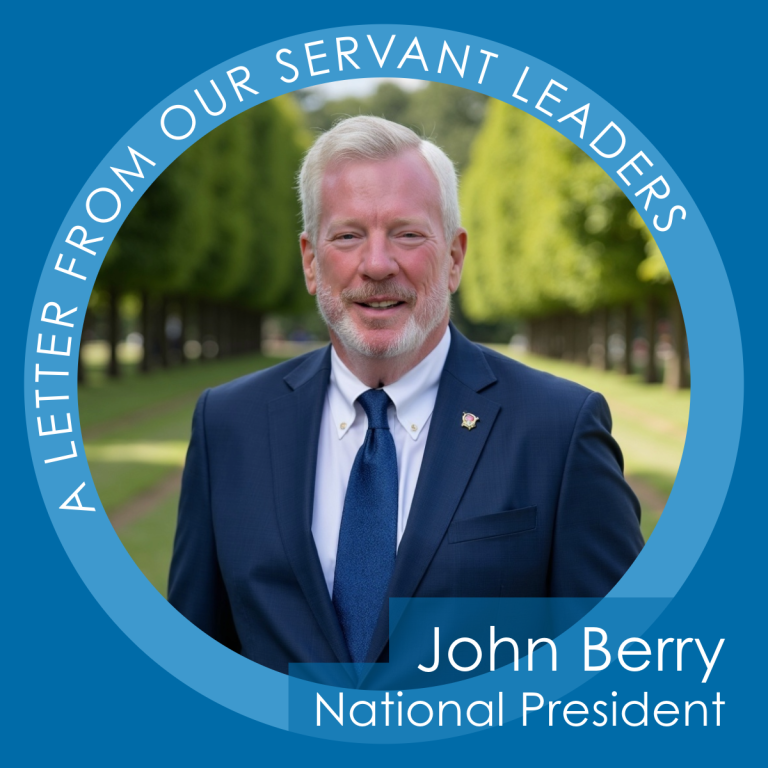
John


Excellent reflection on what counts as Vincentians.