• Search the Site

news

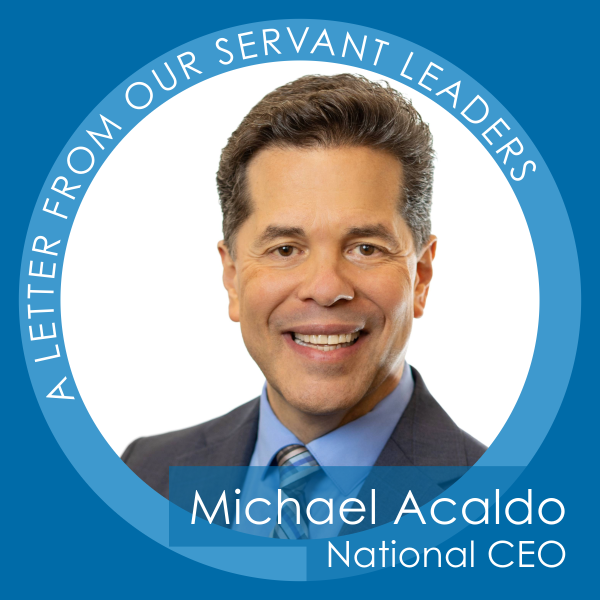
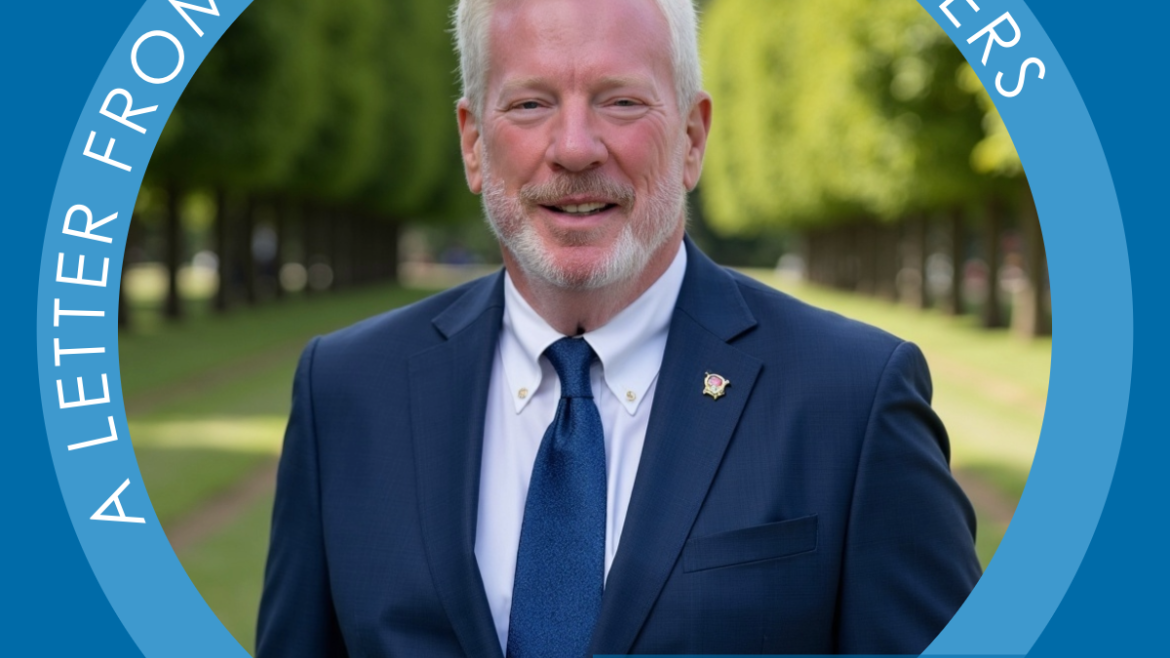
10-30-2025 A Letter from Our Servant Leaders

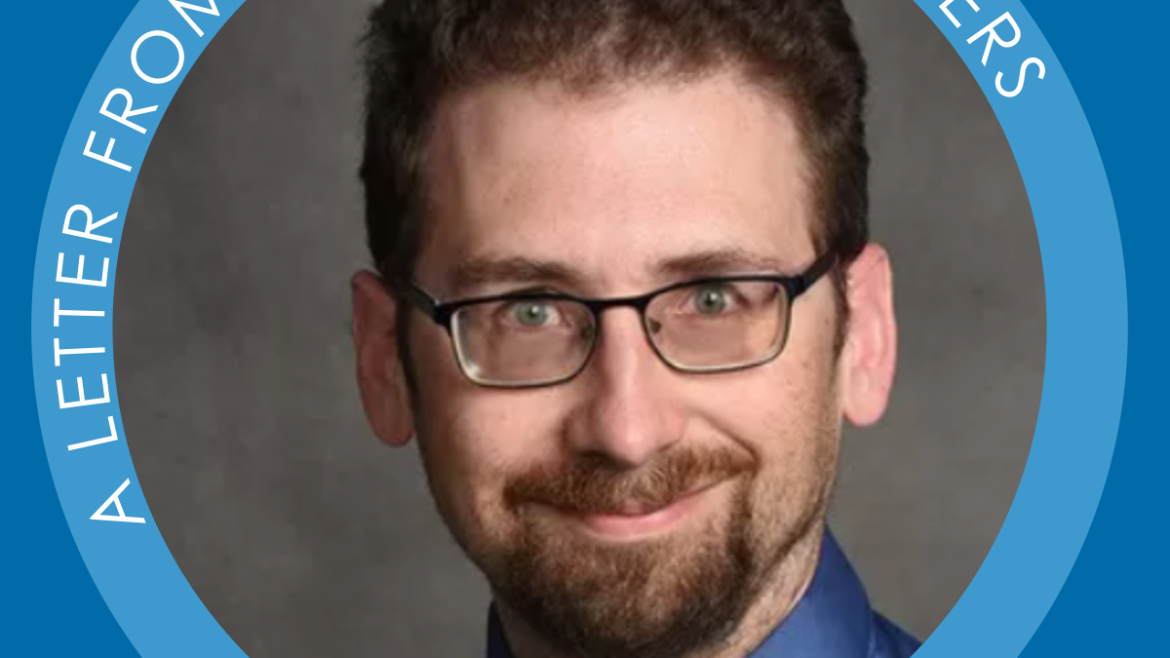
10-30-2025 A Letter from Our Servant Leaders 1200 1200 Devine PR Postings

Responding to the Government Shutdown with Both Charity and Justice

We currently find ourselves in the second longest government shutdown in U.S. history, with no end in sight. As a result, our neighbors in need will suffer. As of this writing, there is no federal funding being directed to critical nutrition programs like the Supplemental Nutrition Assistance Program (SNAP, formerly known as food stamps), which benefits close to 42 million low-income people in the U.S. Additionally, most federal workers have now missed a full paycheck, and members of our community who do not traditionally visit our ministries may need your help now.

What can we do?

First, do what you Vincentians do best. Continue to be beacons of hope in your communities, serving as many neighbors as you can in the ways that you can. If you have not done so yet, I encourage you to check in with your fellow Conference and Council members about how you might be able to prepare for increased requests for assistance as many of our friends in need will not receive SNAP benefits as soon as November 1.

Along with the work of charity, please consider engaging in the work of advocacy as well. As Pope Benedict XVI wrote in Caritas In Veritate, “Not only is justice not extraneous to charity, not only is it not an alternative or parallel path to charity: justice is inseparable from charity, and intrinsic to it. Justice is the primary way of charity…” Earlier this week, our national president and national board chairman, John Berry, released a public statement regarding the shutdown and its impact on the most vulnerable, expressing:

“Our most economically vulnerable brothers and sisters should not be forced to go without basic needs as a result of a partisan impasse, and it is time for both Republicans and Democrats in Congress to come together to ensure that the most marginalized among us will not abruptly lose critical benefits. The Society of St. Vincent de Paul USA, therefore, urges the U.S. Department of Agriculture to immediately use every available mechanism, including the utilization of contingency reserves, in order for the 42 million people who benefit from the Supplemental Nutrition Assistance Program (SNAP) to be able to buy food next month. It would be simply intolerable for people to unnecessarily go hungry as the shutdown heads into its second month.”

I encourage all of you to join John in calling on Congress to urge the USDA to immediately use every available mechanism to avoid a lapse in SNAP benefits, as well as implore Congress to work towards a bipartisan solution to end the shutdown. You can easily do so through the Society’s electronic advocacy campaign available here. The platform allows you to easily send a pre-written message to your U.S. Senators and Representative, while also giving you the option to personalize the message.

Your experience as Vincentians is powerful. You recognize the God-given human dignity in everyone you meet, and you have unique perspectives on both the root causes of poverty and successful ways to help people out of poverty. Beyond the critical urgency of this moment, your expertise will continue to help shape our advocacy priorities and inform policymakers.

Please use the email address stories@svdpusa.org to send me your observations of how your communities are being impacted by the shutdown and recent changes to the social safety net. Please send me examples of both success stories and challenging scenarios. Most importantly, please pray for our growing advocacy work so that together we may build a more just society.

With gratitude,

Ingrid


Statement from John Berry, National President of SVdP USA, on the Federal Government Shutdown

Statement from John Berry, National President of SVdP USA, on the Federal Government Shutdown 1080 1350 Devine PR Postings

The government shutdown is increasingly devastating with every passing day, leaving most federal workers without pay and causing uncertainty and delays in federal programs that serve the poor.  Our most economically vulnerable brothers and sisters should not be forced to go without basic needs as a result of a partisan impasse, and it is time for both Republicans and Democrats in Congress to come together to ensure that the most marginalized among us will not abruptly lose critical benefits.

The Society of St. Vincent de Paul USA, therefore, urges the U.S. Department of Agriculture to immediately use every available mechanism, including the utilization of contingency reserves, in order for the 42 million people who benefit from the Supplemental Nutrition Assistance Program (SNAP) to be able to buy food next month. It would be simply intolerable for people to unnecessarily go hungry as the shutdown heads into its second month.

As one of the largest nonpartisan, lay Catholic charitable organizations in the U.S. with more than 80,000 volunteers, it is not our role to take sides in a political fight. But it is our role and our duty to speak on behalf of the friends and neighbors we serve. Let’s end the partisan politics and find a solution for the common good that will sustain needed programs and the people they serve.

# # #

Connecting SVdP Thrift Stores to Our Mission

Connecting SVdP Thrift Stores to Our Mission 1500 1000 Devine PR Postings

People have asked, “How are SVdP Thrift Stores connected to our overall mission?”

This is a great question. Many SVdP thrift stores have been around for a long time raising financial resources and giving merchandise from their stores to help their Neighbors in Need (NIN).

Other stores, like the one you will see in the video link below, are an example of how a SVdP Conference began operating a store and can now expand their resources to serve their NIN better with greater resources generated from their store.

The Conference in St. Johns, Mich. (current population <8,000) was aggregated in 1946.

For 50 years, this conference served Neighbors in Need (NIN) who called their St. Joseph Parish office seeking assistance. Vincentians would respond to calls and assist Neighbors in Need (NIN) with monetary donations that had been received by the Conference.

In 1996, this Conference’s annual client aid was around $7,000.

In that same year, the Conference was asked to take over the operations of a clothing center that was planning to close. Vincentian-John Thelen stated, “A small group of Vincentians met, discussed the pros/cons to getting into the retail arena, then prayed about what to do.” Thelen added, “If our small group of Vincentians had decided not take over the operation of that store, we wouldn’t be able to serve our Neighbors in Need (NIN) like we do today.”

The store has grown from all-volunteer run to a staff of fifteen paid employees and over one hundred active volunteers!

Nearly 30 years later, this SVdP Conference store has been blessed to be able to give over $250,000 annually in client aid to their Neighbors in Need (NIN)!

This Conference continues to look for ways to serve Neighbors in Need (NIN)in a way that gives them a leg up out of a situation, rather than just a handout towards their need.

This store in a small rural community is like many stores across the United States providing the financial resources to their Conference or Council to serve our Neighbors in Need (NIN).

SVdP stores do make a difference in the lives of those who are in need.

Video link: https://youtu.be/2asWT9lA1Lo?si=iRvPcOBxA7mXavt_

If you have questions about what’s involved with opening a store or if you would like to see how your store can generate more revenue to meet the expanded requests of our Neighbors in Need (NIN), please reach out to Jeff Beamguard, Director of Stores Support, at jbeamguard@svdpusa.org.

Additional resources are also available on the SVdP National Thrift Stores website at https://thriftstores.ssvpusa.org.

10-23-2025 A Letter from Our Servant Leaders

10-23-2025 A Letter from Our Servant Leaders 1200 1200 Devine PR Postings

Just Ask — Sharing the Blessing Of Our Vocation

As Vincentians, we are each called to live our vocation through the simple yet profound acts of friendship, service, and spirituality. Every home visit, every prayer shared, and every meal served brings us closer to Christ through those we serve. But this vocation—this blessing—is not meant for us alone. It is a gift to be shared. That is why we are launching a national initiative called Just Ask.

The idea behind Just Ask is simple. Each of us can invite just one person to join us in this journey. When we take the time to personally invite someone—perhaps a friend from Mass, a fellow parish volunteer, a young adult searching for purpose, or even someone we meet in service—we are opening the door for them to encounter Christ through others. Eighty percent of Vincentians joined because someone took the time to ask them. Imagine the joy and renewal that could follow if every one of us did the same.

This is not just a numbers goal, though we will track our growth throughout the year. It is a spiritual movement of renewal. As we grow, we strengthen our Conferences and deepen our collective impact in the lives of our neighbors in need. We also grow in faith, friendship, and love for one another. As our founder Blessed Frédéric Ozanam reminded us, charity must never be inert; it must act, it must live, it must multiply.

So, I invite you—no, I challenge you—to be brave and Just Ask. Ask one person this week to join you in your Vincentian calling. Together, let us ensure that this beautiful vocation continues to flourish, and help others “see the Face of Christ and be the Face of Christ.”

Sean Myers

National Vice President, Membership & Leadership Development

10-23-2025 A Letter from Our Servant Leaders

10-23-2025 A Letter from Our Servant Leaders 1200 1200 Devine PR Postings

We Are All Called To Be Vincentian Fundraisers

“I didn’t join the Society of St. Vincent de Paul to become a fundraiser.”

“I don’t know how to fundraise, and I thought we hired people who already do that.”

“I don’t like asking people for money.”

I hear these comments quite often when I speak to Vincentians around the country about raising money for their respective Conference and/or Council. In fact, I have said these words myself – many times. As an accountant, I’ve always preferred budgets to conversations, especially when those conversations involve asking for money. The thought of approaching someone with a fundraising request made me anxious and reserved.

Then, now years ago, I heard our former National President, Gene Smith, lead a training session on Vincentian fundraising. While I don’t remember everything Gene shared with us that day (I apologize, Gene) I clearly remember two transformative lessons:

  • St. Vincent de Paul was a fundraiser.
  • Each of us, by virtue of the fact that we have accepted God’s calling to be a Vincentian, is continuing Vincent’s enduring legacy of charity and love.

Gene made it very clear that afternoon – We are called to be fundraisers.  Every one of us.

So, what exactly does it mean to be a fundraiser, and more importantly, what is it I am supposed to do? I’d like to share a few thoughts gleaned from over the years.

At the outset I wish to note, with all due respect to universities and organizations that offer degrees and certificates in fundraising, you do not need one. Honestly, you do NOT need any formal designation or training to be an effective fundraiser for your Conference and/or Council. Instead, it is important to remember three things we all MUST DO in our roles as Vincentians.

First: Tell stories about SVdP. Tell your family. Tell your friends. Tell colleagues, neighbors, work associates, everyone you know. Tell them about the extraordinary work taking place in your Conference.

Tell them about the 30-year-old single mother clutching her children’s hands as she anxiously watches the clock tick down to eviction, and how tears streamed down her face as she whispers “I don’t know where we’ll go.”   Tell them how the Vincentians stepped in and paid her overdue rent and utility bills, and how the relief in her voice was palpable when she said, “You saved my family. My children get to stay in their school, and tonight, we have a home.”

Tell them about the 75-year-old Vietnam veteran sitting alone at his kitchen table, the cupboards nearly empty. Tell the how when Vincentians arrived with a food box, gas voucher, and grocery store gift card, he smiled through tears and said, “I didn’t think anyone remembered me. Thank you for treating me like family.”  Tell them how you will check on him next month to ensure he has support.

Tell them about the father who was recently laid off after 17 years working for the same company and how his wife started working two jobs cleaning office buildings and homes to pay the bills.  Talk about how the Society of St. Vincent de Paul provided financial assistance and moral support so the family did not lose their apartment during this arduous time. Tell them how the father shared, “Those months were the hardest we’ve ever faced, but you gave us hope. Now I’m back at work and our family is okay.”

Each of your stories remind us that those whom we serve are not strangers. They are our neighbors created in the image and likeness of God.

Second: Ask people to support our efforts. A survey conducted by Arizona State University found that the number one reason people donated to an organization was because they were asked by someone they know well. This ranked higher than volunteering at an organization, higher than reading or hearing a news story about an organization, higher than being asked by clergy to give (little did you know you have more power than your parish priest), higher than seeing a TV commercial, or receiving a solicitation in the mail, email, or by phone. The inverse is also true: when people were asked why they did not support an organization, they often noted they were never asked.

When we ask someone for a donation what we are really doing is giving them the opportunity to experience the joy and the grace that comes from giving. We are asking on behalf of others, those less fortunate, and in doing so we become the voice of God’s poor.

Third: Say Thank You. And Thank You. And Thank You. And…. Letting people know that “They” made a real difference in the life of someone; that “Their” gift prevented a family from becoming homeless; that “Their” gift meant a veteran will not lose his apartment; that “Their” gift ensured a family had a nourishing meal and food in the pantry.

An unexpected handwritten note a few weeks AND a few months after someone’s gift, telling them the real difference they are making in the lives of our neighbors, brings joy and meaning to the life of the donor. It is your gift back to them – but only if it is personalized. A blast email to numerous people does not count. That’s what other organizations often do. Personalized communications tell the donor just how important “They” are to our mission and that “They” are the ones who make possible the critical work we do as Vincentians.

When our donors begin to refer to the Society of St. Vincent de Paul as “We” and “Us” instead of “They” and “Them”—when they repeat the stories we share with them—then we will know we are doing our job well. And, that Vincent is smiling, along with Frédéric and Louise and Rosalie—all of whom are proud of us.

It’s true that sometimes people will decline our requests. That’s okay—asking is never wasted. What I have experienced over the years is that often, at a later date, maybe at Thanksgiving, or Christmas, or year-end, or just with the passage of time, along comes a donation to further our efforts from the person who had previously said no. Come Holy Spirit!

Ultimately, the most important skill in fundraising isn’t technical expertise.  It’s authentic passion for our stories, and the courage to share them, followed simply by: “Would you be willing to support our life-changing ministry?”

While we may never be “officially” canonized by the Catholic Church, wouldn’t it be wonderful if St. Vincent de Paul were standing next to St. Peter when we approach the gates of Heaven and to hear him say:

“______ is a Vincentian. She not only did home visits to assist those less fortunate, but she also helped to raise money for the Society. I would like to escort her into Heaven.

St. Vincent de Paul was a fundraiser—and so are YOU.

Steve Zabilski is a vice president of the SVDP National Board of Directors. He can be reached at szabilski@svdpusa.org

10-16-2025 A Letter from Our Servant Leaders

10-16-2025 A Letter from Our Servant Leaders 1200 1200 Devine PR Postings

When More Is Less

As Vincentians, we all see the increase in requests for assistance coming into our Conferences and Councils every day. And as that demand grows, expanding services for people in need causes us to face a difficult challenge: how to remain faithful to Vincentian values and spirituality while embracing new systems, technologies, and structural models that promise to help more individuals. This delicate balance raises a critical question: When is more less? In other words, can a well-intentioned push for greater reach or efficiency actually diminish the heart of Vincentian charity, transforming a spiritual ministry into just another transactional agency?

The Foundations of Vincentian Values

At its core, Vincentian spirituality is defined by the conviction that charity is a direct response to Christ’s presence in the poor, and that service must always be personal, relational, and rooted in love and respect. This involves commitment to values such as humility, compassion, solidarity, and seeing Christ in every person served. Vincentian personalism teaches that each individual has a unique story and sacred dignity. Service then is not simply about dispensing resources, but about encountering, listening, and accompanying those in need.

As Pope Leo so eloquently stated in his Exhortation ‘Dilexi Te’ (I Have Loved You), issued last week:

“No Christian can regard the poor simply as a societal problem…we are asked to devote time to the poor, to give them loving attention, to listen to them with interest, to stand by them in difficult moments, choosing to spend hours, weeks or years of our lives with them, and striving to transform their situations.”

For Blessed Frédéric Ozanam and St. Vincent de Paul, charity was inseparable from spiritual friendship and mutual transformation, challenging volunteers and staff to continual conversion and growth in holiness.

The Temptation to Become Transactional

As demand for our services grows and donor expectations shift toward measurable outcomes, we face pressures to “scale up” and professionalize operations. Technology, evidence-based models, and more centralized delivery can help reach more people and use resources more efficiently. However, these positive trends pose the risk that the spiritual and personal aspects of the work will recede into the background, replaced by impersonal transactions and bureaucracy.

A transactional approach is characterized by a focus on metrics, efficiency, and outputs, often at the expense of authentic encounter. Donors are treated as ATMs; recipients become numbers or cases. Staff and volunteers may feel pressured to process more clients more quickly, unintentionally reducing complex human stories to needs assessments and resource allocations. The richness of spiritual accompaniment, prayerful discernment, and mutual relationship is lost amidst procedural checklists and database entries.

The Vincentian Distinctive: Person-to-Person Ministry

What differentiates the Vincentian approach from typical agency models is the primacy of person-to-person service. The Vincentian rule insists that help must always be offered in a spirit of simplicity, humility, and respect, seeking to meet not just material needs but also the spiritual and emotional realities of each person. The act of visiting those in need, listening to their stories, and sharing life together is itself a holy encounter, a space where both giver and receiver meet Christ and find hope restored.

St. Vincent de Paul was clear that systems and organizations, while necessary, must never overshadow the foundational charism of charity rooted in personal transformation and love of neighbor. Each Vincentian is called not only to serve but to be changed by the experience, seeing the face of Christ in the poor and bringing the love of Christ to them.

“It is too little to relieve the needy day by day. It is necessary to get to the root of the evil, and by wise reforms to diminish the causes of public misery. But we profess to believe that the science of welfare reform is learned less in books and parliamentary debates, than by climbing up the floors of the poor man’s house, by sitting at his bedside, by suffering the same cold as him, and by drawing out the secret of his desolate heart through the outpouring of a friendly conversation.” (Blessed Frédéric Ozanam)

System Change: Opportunity and Risk

Changing delivery systems can offer genuine benefits. Centralized intake can eliminate redundancy, data sharing can prioritize those most in need, and technology may help connect people to resources more swiftly. With intention and creativity, these innovations can be harnessed to deepen, rather than dilute, Vincentian values, but only if we remain vigilant.

There is great risk in adopting secular agency models uncritically. Without spiritual safeguards and intentional formation, a Conference or Council might gradually slip into a mechanistic, impersonal mode of “helping” that forgets why it exists in the first place. Transaction replaces transformation, efficiency displaces encounter, and faith becomes an afterthought.

“When you go to the poor, you encounter Jesus.” (St. Vincent de Paul)

Safeguarding Vincentian Identity Amid Change

So, how can we “do more” without becoming less – less Christ-centered, less personal, less transformative? Here are some thoughts:

  • Frameworks Rooted in Charism: The development of living frameworks, like “The Vincentian Way,” offer guidance to ensure that all innovation and expansion remain anchored in our spiritual heritage. These frameworks challenge leaders to reflect on whether every process or policy advances the mission of compassion, respect, and accompaniment.
  • Formation and Culture: Ongoing Vincentian formation for staff, volunteers, and leadership is critical. Formation is not a one-time orientation; it is a continual deepening of spiritual roots, prayerful reflection, and mutual support, helping everyone to discern Christ in all decisions and avoid agency drift.
  • Measuring What Matters: While data and metrics have their place, they should be balanced with qualitative measures that honor relationship, dignity, and spiritual growth. Stories, not just statistics, should shape the narrative of impact and success.
  • Radical Hospitality and Personalization: Systems can support, but never replace, the Vincentian call to radical hospitality, creating space for each person’s story and journey, meeting individuals as they are, and affirming their God-given dignity.

“Let us not love with words or speech but with actions and in truth.” (1 John 3:18)

  • Mission-Driven Leadership: Leaders must be intentional stewards of the Vincentian Charism’s true purpose, actively resisting the lure of efficiency that erodes encounter and presence. Strategic clarity centered on the Vincentian charism can bridge tradition and innovation, ensuring that change never substitutes for meaning.

The Paradox of “More” and the Test of Integrity

It is a tragic irony when a Conference or Council doubles its numbers served but loses its soul. In our ministry, more is less when increased volume comes at the cost of Christ-centered, person-to-person charity. Yet it is also possible for more to be more when expanded resources, new technologies, and creative systems amplify rather than undermine the original charism.

Another area in which we need to be careful is the use of government funding which often comes with restrictions and handcuffs that diminish our ability to provide service in accordance with our true values and Vincentian charism. What a sad outcome it would be (and regretfully IS in some places) if our Conferences and Councils accept government funding that turns them from Vincentians into quasi-bureaucrats. If a government funder requires that the delivery location, shelter, or other facility abandon or restrict any visible evidence of our heritage or our faith, the question must be asked; ‘Why would we agree to that?’ Yes, we can help people, but are we doing so not as Vincentians, but as just another agency.

The test is not only the number of people reached, but also the depth and quality of encounter. Are recipients known by name? Are hearts changed, among both those served and those serving? Is Christ’s love made visible and credible? Is help given with respect, humility, and joy?

Always More, But Never Less

For Vincentians, the answer to “When is more less?” lies in constant discernment and courageous commitment to mission. Every system improvement, every data point, and every new technology must be evaluated through the lens of Vincentian spirituality. More people served is a holy goal; but only if each person remains an end in themselves, not a means for an organizational metric.

In the end, it is not the size of the program that matters but the size of the heart with which it is delivered. Conferences and Councils, by keeping formation vibrant and insisting on person-centered service, can ensure that more never means less, that growth is always rooted in the transforming love of Christ, and that every encounter, however small, remains a sacrament of hope.

By embracing frameworks, spiritual formation, and a mission-focused culture, we can expand wisely and guard against the danger of becoming just another agency. We will remain what we are called to be: Christ-centered companions to the poor, bearers of hope amidst change, and witnesses to a charity that is always personal, always spiritual, and never simply transactional.

Peace and God’s blessings,

John

SVdP USA on Pope Leo XIV’s Apostolic Exhortation, Dilexi Te

SVdP USA on Pope Leo XIV’s Apostolic Exhortation, Dilexi Te 1080 1350 Devine PR Postings

The first Apostolic Exhortation from Pope Leo XIV entitled Dilexi Te (“I Have Loved You”) is greeted with the utmost joy and appreciation by our 81,000 members of The Society of St. Vincent de Paul USA (SVdPUSA).

The vision outlined by the Holy Father to serve the poor with love and compassion is not only the call of the Gospel, it has been our mission as Vincentians each day in the U.S. and 155 countries since our founding in 1833 in Paris, France.

More than a century ago, Leo XIII began a new tradition in Catholic Social Doctrine, connecting the church’s timeless teaching directly to contemporary circumstances and realities, and reminding the world that although the face of poverty may change, our duty to the poor does not.

More recently, Pope Francis emphatically reminded us that the Church cannot be separated from the poor. The mission of the Church, he said, must always be to embrace the most vulnerable with Christ’s love by meeting their individual material needs, while diligently working to improve societal and governmental systems and structures to lessen the gap between rich and poor.

Pope Leo XIV now continues this tradition with a perceptive and bold exhortation that inspires us to see the face of Christ in each person we encounter. Pope Leo is encouraging and even demanding that each of us take action in our own neighborhoods and communities to improve the lives of our brothers and sisters as we care for them as our neighbor.

At The Society of St. Vincent de Paul, we do this every day through our one-on-one encounters, our shelters and food banks, our work with those leaving prison, our advocacy efforts in Washington, D.C. and state capitals, and so many other programs.

It is in these ways that Vincentians live the Beatitudes and will continue to answer the call of the Holy Father in his first Apostolic Exhortation, Dilexi Te.  

# # #

Fr. Chester P. Smith National Black Catholic Men’s Conference

Fr. Chester P. Smith National Black Catholic Men’s Conference 477 321 Devine PR Postings

The Society of St. Vincent de Paul was represented by four Vincentians – Mark Warren of New Jersey, Myron Hubbard of Chicago, Ill., Bruce Steward of Houston, Texas, and Bernard Onwuemelie of Detroit, Mich. – at the Fr. Chester P. Smith National Black Catholic Men’s Conference in New Orleans, La. on September 4-7, 2025. The theme for the conference was “The Forge” taken from Matthew 28:19-20. The Conference Mass was celebrated by Most Reverend Gregory M. Aymond, Archbishop of New Orleans.

Malachi Williams, a St. Augustine High School senior, opened the conference with a rousing address followed by a standing ovation. He reminded the attendees that “every time they fall down, every time they feel broken, and every time they ask when is this tough time going to end, just remember that every time He woke you up and sent you on your way, that was Him telling you, ‘I will keep on making a way.’”

More than 250 men heard keynote speakers and shared in multiple workshops designed to strengthen their spirituality and empower them to make a difference. The youth in attendance experienced a dynamic workshop entitled “Building Young Black Men’s Leadership Identity, Capacity, and Efficacy.”

Throughout the conference the attendees visited the SVdP booth and received literature promoting the Society. The Multicultural Diversity Committee will are following up with attendees who requested additional information.

Michael Acaldo, National CEO

10-09-2025 A Letter from Our Servant Leaders

10-09-2025 A Letter from Our Servant Leaders 600 600 Devine PR Postings

Architects of Hope

This week has been a whirlwind for me.  I woke up early Sunday morning in Washington, D.C., and got ready for my first Red Mass.

The chief celebrant was Robert Cardinal McElroy, Archbishop of Washington D.C. Concelebrating were: Cardinal Christophe Pierre, Apostolic Nuncio to the United States; Archbishop Timothy Broglio, Archbishop for the Military Services, USA and President of the U.S. Conference of Catholic Bishops; Bishop Michael Burbidge and retired Bishop Paul Loverde of the Diocese of Arlington, Virginia; Washington Auxiliary Bishops Roy Campbell Jr. and Juan Esposito; and twelve priests.

The Chief Justice of the Supreme Court and three other justices were also scheduled to attend.  I was so excited until my Uber ride pulled up to the Cathedral of St. Matthew of the Apostle, and to my surprise there were Capital Police, Secret Service, and other law enforcement all around the Cathedral.

I wasn’t sure what was going on in the chaos outside, so I called Paula Gwynn Grant, our new National Senior Director of Communications. She told me that there had been a bomb threat.

As you can imagine, with all the recent attacks in our country, many thoughts were going through our minds – but we were there to represent the National Council, and I’m so glad we did!

We met Paula in the middle of the church, and she led us to our seats. As we passed pew after pew, we realized she was guiding us all the way to the very front – the first pew. There we were, seated front and center for this most important liturgy.

Unfortunately, due to the credible but contained threat, the Chief Justice and other justices were diverted from attending. So yes – we found ourselves sitting in their seats. Law enforcement assured us that we were safe, but still, there we were, front and center, just feet away from Cardinal McElroy and all the celebrants.

Cardinal McElroy gave a powerful homily with the theme, “Architects of Hope,” based on the Jubilee’s theme. In his Homily, the Cardinal shared that his father was an attorney for 40 years.

As I listened, I thought about how Blessed Frederic Ozanam would embrace the Cardinal’s call for all of us to become architects of hope. The Cardinal stated, “Hope. It is the conviction that in our moments of greatest suffering in our lives God will stand by us always. It represents an overwhelming impulse in the depths of the human heart that does not obscure the suffering of the present or past, but finds in them chapters of grace and, with courage, a foundation for a new future…

The Catechism of the Catholic Church states that hope orients us to the order of justice, peace and charity, leading us away from selfishness. ‘It keeps the human person from discouragement; it sustains him during times of abandonment; it opens up his heart in expectation of eternal (joy).’

Hope is not the belief that everything always comes out all right. That is merely optimism. True Christian hope is rooted in the intimate and caring accompaniment of our God, walking with us…

As this Red Mass invites us to reflect upon the realities of suffering and hope in our personal lives, so it calls us to recognize the landscape of adversity and hope that faces us in our nation today. And it invites us to do so precisely by affirming the mandate that men and women of the law are architects of hope by reason of their vocation.”

Cardinal McElroy continued saying, “Catholic social teaching underscores that healthy governmental, cultural, religious and economic institutions are essential for the accomplishment of the common good and the service for all in the world in which we live. Two elements are vital to accomplishing such health today…

The Scriptures point unswervingly to the need to keep the poor and the powerless at the forefront of our thoughts and actions. For in every social and economic system they are disproportionately shut out from the rights and privileges that are vital to their well-being.”

He concluded by challenging all in attendance to, “take up the challenge to be true architects of hope, in this land, at this moment, in God’s grace.”

This past Tuesday, National President John Berry, Paul “Korky” Korkemaz, Mid-Atlantic Region Vice President, Anthony Bosnick, Archdiocesan Council President of Washington, D.C., and I had a great meeting with Cardinal McElroy. We discussed our impact as architects of hope in our work in the Archdiocese and throughout the country.

In the meeting, the Cardinal shared with us his positive experiences in the past with the Society.  He even shared a home visit that he made with Vincentians to a family that desperately needed us for the hope, love and care we provide – especially the children. He expressed his gratitude for our work and provided guidance on how we could expand our ministry.

Earlier today, our Holy Father, Pope Leo XIV released the exhortation, “Dilexi te” (I Have Loved You).  Our ministry and Vincentian vocation put into action the Holy Father’s vision of sharing Christ’s love and hope with those we are blessed to serve.

Thank you for your commitment and dedication to our Vincentian call to seek and find the forgotten, suffering, and deprived.

Best wishes in Christ,

Michael

10-02-2025 A Letter from Our Servant Leaders

10-02-2025 A Letter from Our Servant Leaders 1200 1200 Devine PR Postings

Do The Good That Presents Itself

“Religion that is pure and undefiled before God, the Father, is this: to visit orphans and widows in their affliction.” (James 1:27)

Sometimes the greatest moments of mercy begin with small, everyday choices, the knock on a neighbor’s door, a loaf of bread delivered, a prayer whispered for someone alone. Recently I watched a volunteer gently listen to an elderly neighbor describe her loneliness. In that quiet moment, the Spirit was as present as in any cathedral. For us, this is Vincentian Spirituality alive: a faith that gets its hands dirty. Vincentian Spirituality is not just an idea reserved for theological textbooks; it is the fuel that keeps us running when the “low fuel” light has been blinking for quite some time.

As National President, I find myself continually grateful for the gifts our Vincentian tradition offers us, just as it has for two centuries, and even back to the days of St. Vincent de Paul himself. It strengthens us and shapes us, calling us to face adversity together, rooted in faith, animated by love, and driven by action. I admit there are days I feel like I am a GPS recalculating routes through road closures and mystery detours of life. Maybe you, like me, have felt like that GPS, always recalculating, never quite sure of the way. But our Vincentian tradition promises that whatever the detour, God walks with us and hands us a map. A map that never goes out of date. Inspired by Vincent’s compassion and Ozanam’s vision, Vincentians bring hope to troubled times by turning faith into fearless action.

A Legacy Born from Trouble

When the Society of St. Vincent de Paul was founded in 1833, Frédéric Ozanam and his companions were young, impassioned, and confronted with a difficult world. Paris was rife with poverty, economic uncertainty, and the aftershocks of revolution. The founding members, challenged to match Christian words with deeds, found themselves at a crossroads. Their answer? To step out into the streets, to visit the poor personally, to let service be their response to a world longing for hope. Their faith wasn’t theoretical, it was tested, prodded, and (often I think) challenged by the world they saw around them. Fortunately, Ozanam and his friends understood that faith is a verb; it acts, visits, listens, and walks into uncomfortable places, even if it sometimes stumbles over cobblestones along the way.

Their answer was practical and elegant: serve the poor, meet Christ in the forgotten, and if you drop a loaf of bread on the way, pick it up and keep going. Vincentian Spirituality encouraged them, even in a world that sometimes looked more chaotic than compassionate, to “do the good that presents itself,” knowing God was walking with them.

The Vincentian Mode

This fierce, practical hope springs from our patron, St. Vincent de Paul. Living in 17th-century France, Vincent experienced more than his share of trouble; wars, plagues, famine, and the soul-crushing poverty of both body and spirit. He faced personal adversity, including enslavement and loss. Yet what Vincent learned was that God’s will is revealed not just in quiet moments of prayer, but also in the urgent needs of the day. In 1617, he discovered a family near starvation in Châtillon, an event he later described as a spiritual turning point. Vincent rushed to the pulpit, inspired parishioners to act, and soon the family was cared for and a ministry had begun. Vincent discovered God in the faces of the poor, and as he liked to remind people, “Go to the poor: you will find God.”

Vincent was a man of deep prayer, but he was also a person of action. He looked at every crisis as a chance to respond with both compassion and competence. When children were abandoned, he rescued them; when prisoners languished, he consoled and advocated for them; when the sick suffered, he organized care. For Vincent, holiness meant rolling up his sleeves and moving toward the places where pain and uncertainty were thickest, always with trust in God’s loving guidance. Vincent believed serious work was best done with a joyful, even playful, heart. One letter brims with self-effacing humor: “To speak truly of me, you would have to say that I am a farmer’s son, who tended swine and cows, and add that this is nothing compared to my ignorance and malice.” If St. Vincent could laugh at himself, surely, we can see the light side of our own tangled efforts at charity

Virtues for Uncertain Times

The strengths of Vincentian Spirituality are human, really, and are especially relevant today. Selflessness, zeal, humility, simplicity, and gentleness, none are reserved for saints alone. Each of these virtues has proven to be more than mere ideals; they are strength for the long journey, especially when external circumstances seem overwhelming.

If you have ever shown up to a visit with your shirt inside out or explained “the Society” to someone who thought you were selling home insurance, you’re sharing in the humility and humor of our founders. Gentleness and joy are not optional extras; they are the signs of God’s Spirit alive in us.

Action Is Our Spirituality

We Vincentians know that spirituality leaps from reflection to action, especially when the world spins sideways. One of the most beautiful aspects of our Vincentian tradition is this, the insistence that spirituality and action are intertwined. “Do the good that presents itself.” This directive grounds us, even as it lifts our sights toward God. We are called to holiness, yes, but holiness that feels the needs of others and moves us to do something about it. It means looking for opportunities to serve, especially when things seem most uncertain. The good that presents itself is rarely tidy. The work, visiting the lonely, stocking food pantry shelves, cooking meals, listening with patience (or, at least, a smile) is sacred, even when the details are messy.

As times change, so too do the faces of need: the lonely elderly, children suffering from addiction, refugees, new families living on the margins. The specifics evolve, but our call does not. St. Vincent believed that God’s providence is continually revealed through the events unfolding around us, and that, often, the “good that presents itself” is not glamorous or easy. It is found in listening, comforting, advocating, and quietly standing by someone who feels alone.

Our Shared Journey

Whether responding to disasters, shopping for groceries on a budget rivaling St. Vincent’s, or offering prayer and presence, the Vincentian spirit carries us through. In an age of uncertainty, it’s tempting to hang a “closed for repairs” sign. Instead, we check our shoes for mud, wipe our brow, and trust Christ to meet us on the threshold, smiling at our efforts, loving us through every fumble and flourish.

For us, in a world torn by violence, upheaval, and division, it is easy to feel overwhelmed by the nightly news or the uncertainty rippling through our communities. Yet Vincentian charity offers another way. Rather than meeting confrontation with more confrontation, we ground ourselves in compassion, dialogue, and hope-filled action. St. Vincent understood that violence begins where love is absent, so our vocation is to bring love to the places the world forgets. As Vincentians, we respond not with resignation but with the courage to build communities of care, humbly listen, and stand as peaceful witnesses, showing that Christian love, lived boldly and practically, has the power to heal even the deepest wounds of our time.

Even as chaos swirls around us, threatening to pull our hearts into fear or despair, our Vincentian calling gently reminds us that hope is not blind optimism but deep trust in God’s presence amid the storm. The Gospel dares us to believe that God is still at work, even and especially when life looks most uncertain. Moved by this hope, we refuse to be paralyzed by anxiety. Instead, we step forward in faith and serve with compassion. Small acts of kindness become seeds of renewal, gentle words become anchors of calm, and our hands and hearts bring Christ’s light into the world. In this way, we help transform confusion into community, sadness into solidarity, and uncertainty into action rooted in hope.

So, let us not grow weary. Let us keep returning to prayer, to service, to joy, and yes, even to holy laughter. It is, perhaps, how we know Christ is present: when we love well, serve faithfully, and can still come together, look back on our work, and grin at the wonderful, wild journey God has given us.

We are bound together across time and place, from the streets of Paris in 1833 to the kitchens and porches of America today, from the war-torn villages of 1600s France to the homes and hearts found in Anytown, USA this very moment. By a spirituality that is best lived in service, best expressed in compassion, and best sustained by trusting in Divine Providence.

Thank you for journeying with the Society. Thank you for living the Vincentian Spirit, especially when times are hard.  Let’s all commit to keep returning to prayer, to laughter, to the sturdy love that binds us. This is how we preach the Gospel, not just in words, but with sleeves rolled up and smiles shared at supper’s end.

May we meet God in every humble act of service today. May we each continue to find in our tradition the courage, faith, and practical hope our communities so deeply need.

Peace and God’s blessings,

John


Sign Up for Our Newsletter

Privacy Preferences

When you visit our website, it may store information through your browser from specific services, usually in the form of cookies. Here you can change your Privacy preferences. It is worth noting that blocking some types of cookies may impact your experience on our website and the services we are able to offer.

Click to enable/disable Google Analytics tracking code.
Click to enable/disable Google Fonts.
Click to enable/disable Google Maps.
Click to enable/disable video embeds.
Our website uses cookies, mainly from 3rd party services. Define your Privacy Preferences and/or agree to our use of cookies.
Skip to content